Mid-Life: 52
I complained a while back that I needed a project but I couldn’t find a good theme. A project gives direction and meaning to…
Read more →
I complained a while back that I needed a project but I couldn’t find a good theme. A project gives direction and meaning to…
Read more →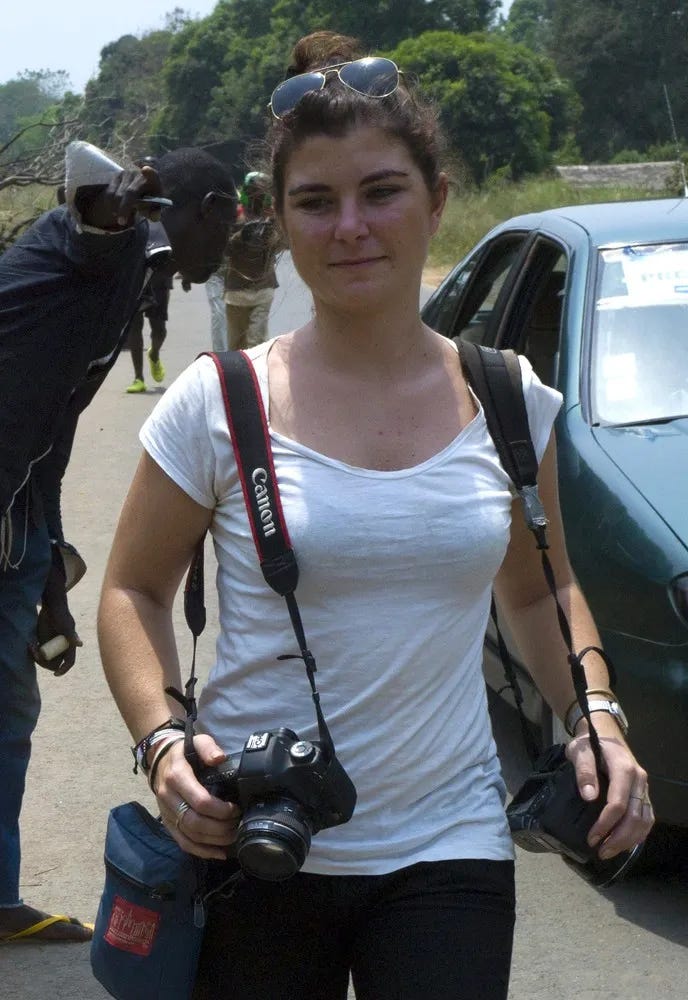
The more I look into little unknown women photographers that have risked or lost their lives to show what was happening in…
Read more →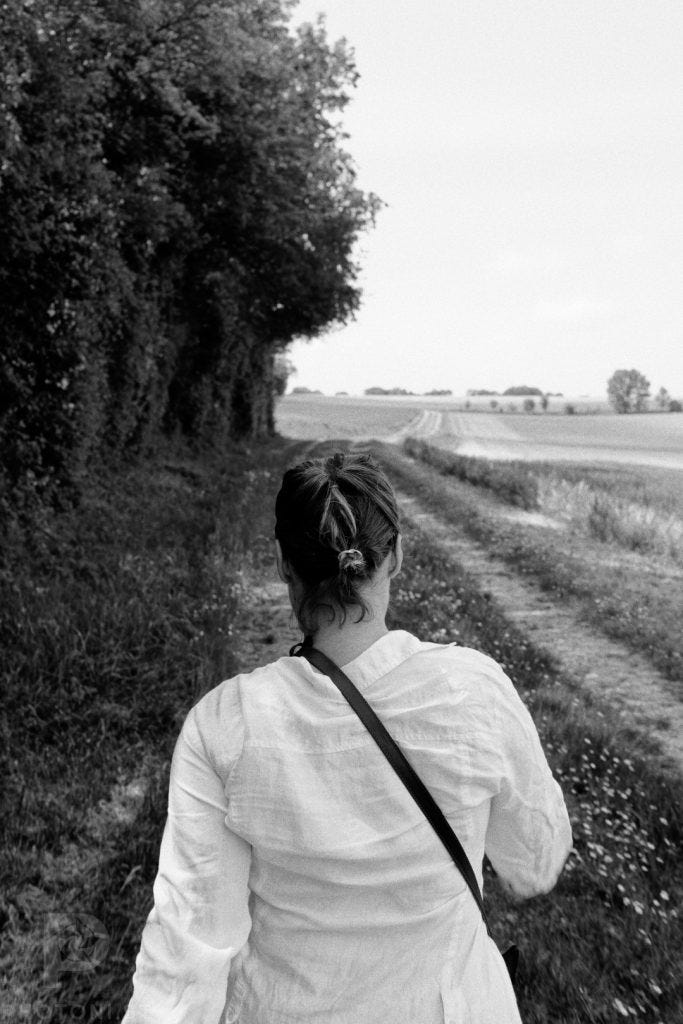
Most of my photos are never seen by anyone. Not even my family and friends. I take a fair number of them,…
Read more →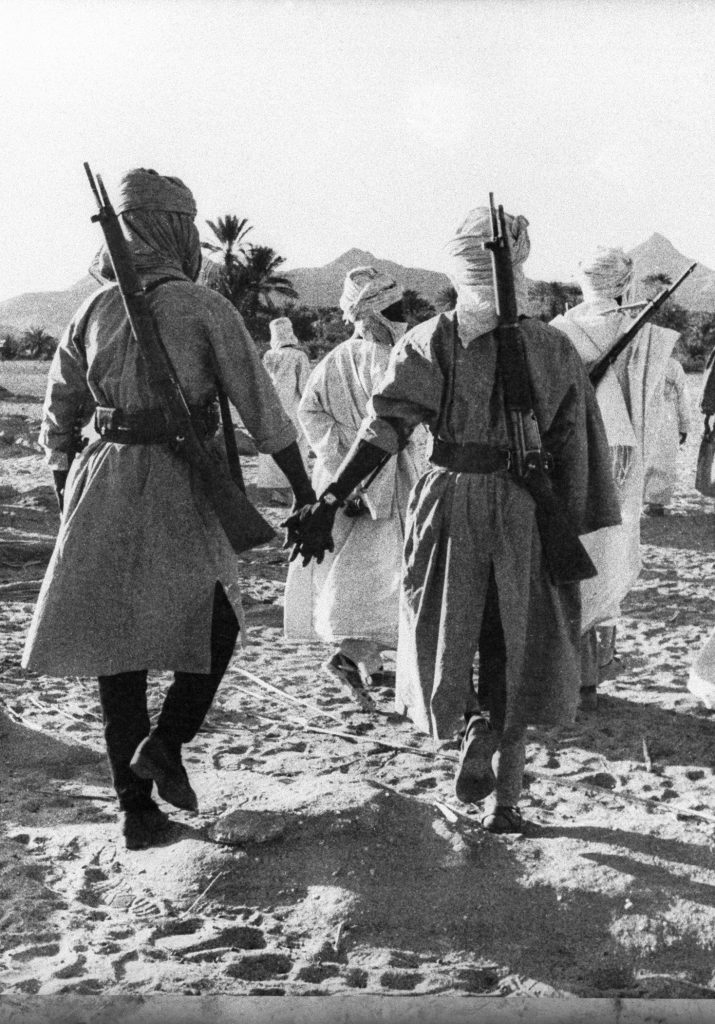
Christine Spengler’s first camera wasn’t hers. It was her brother Éric’s. A Nikon with a 28mm wide-angle, the kit of a fashion…
Read more →
There’s a literary scandal in France this week, and it has to do with AI use: Thélyson Orélien wrote C’était ça ou…
Read more →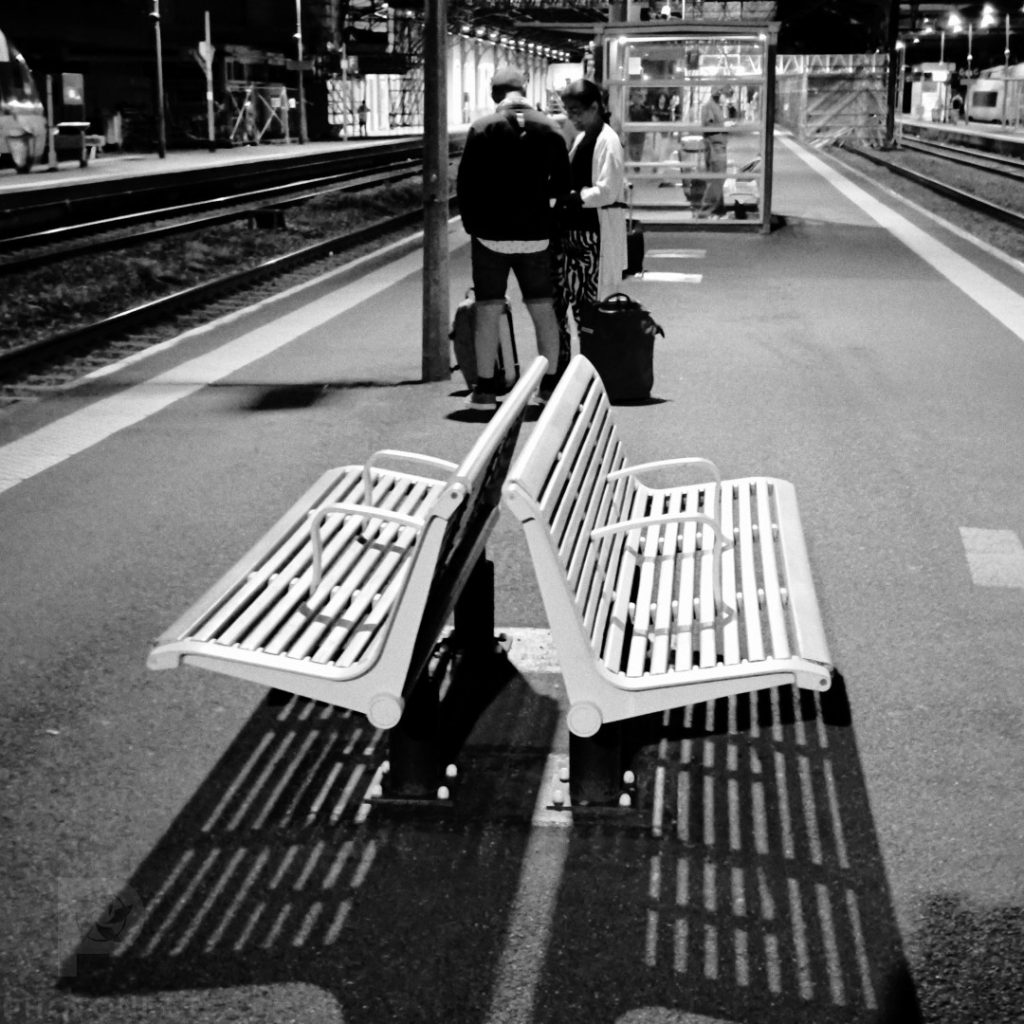
I’ve been taking photos of benches for years. Sometimes on purpose because I find them intriguing and I have an thing for…
Read more →
I’ve spent a lot of words arguing that the ordinary is enough. To me, documenting your own life is the most interesting…
Read more →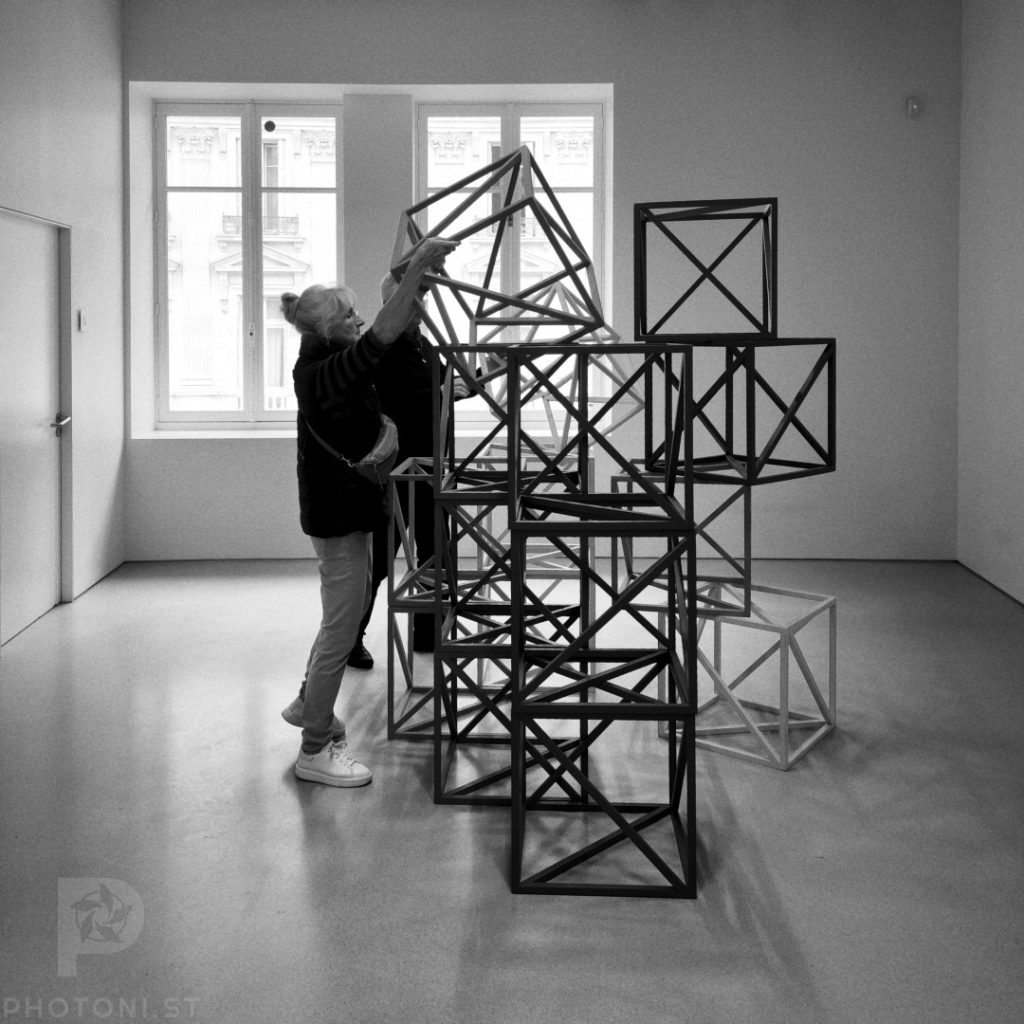
Before you push the shutter button, before even you leave the house, everything has been decided. You might not have a list…
Read more →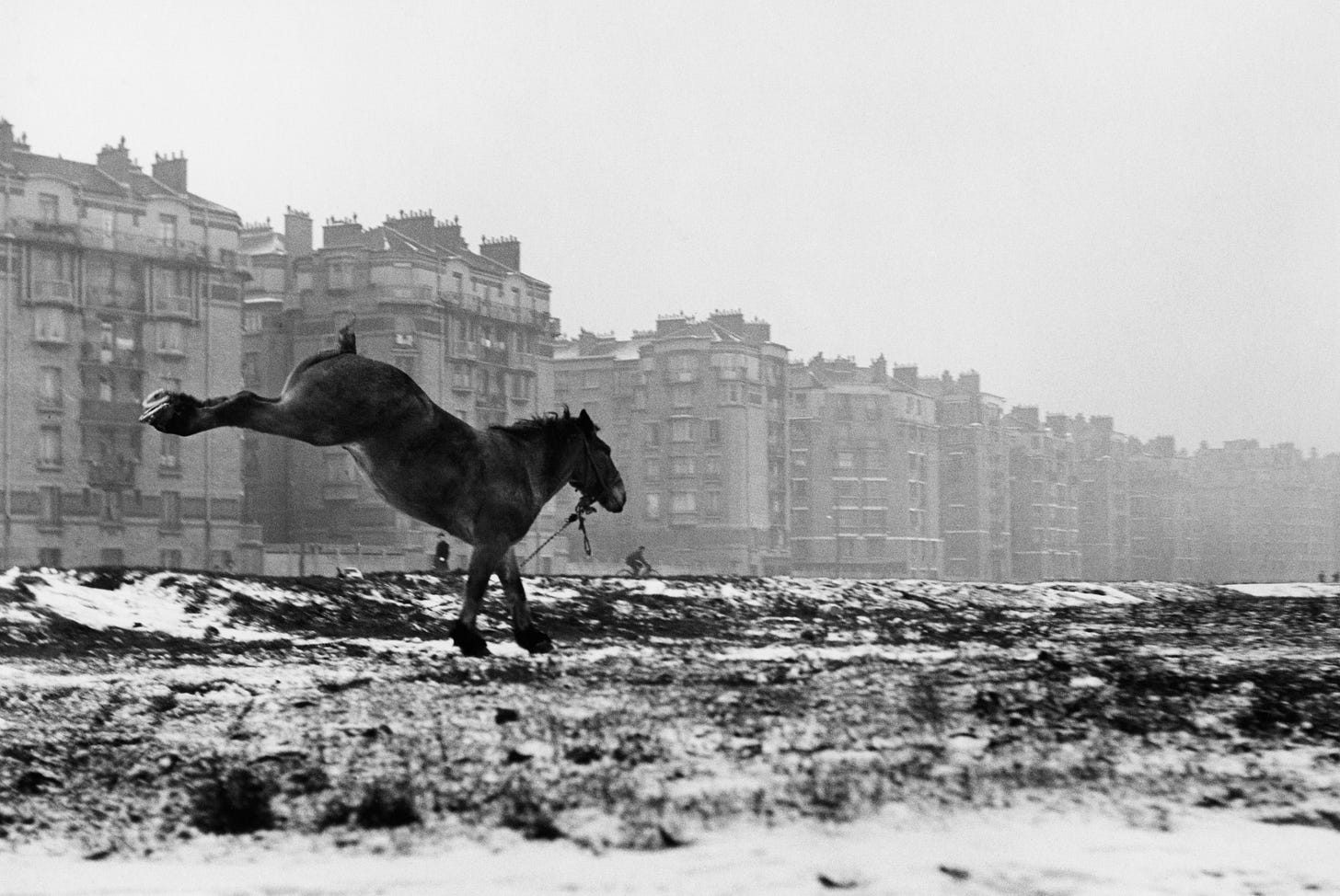
I wasn’t aware of Sabine Weiss until she appeared in one of my deep dives about humanist photographers. One of her most…
Read more →
Photographers often pride themselves on knowing who they are and what they do. In fact, a lot of us believe that it…
Read more →A software engineer looking 50 in the eye. Photography picked up over 20 years ago, then set aside as life intervened — and recently returned to, with a deliberate focus on monochrome. Also drawn to found negatives: rolls of film abandoned by strangers, full of lives worth rescuing from obscurity.