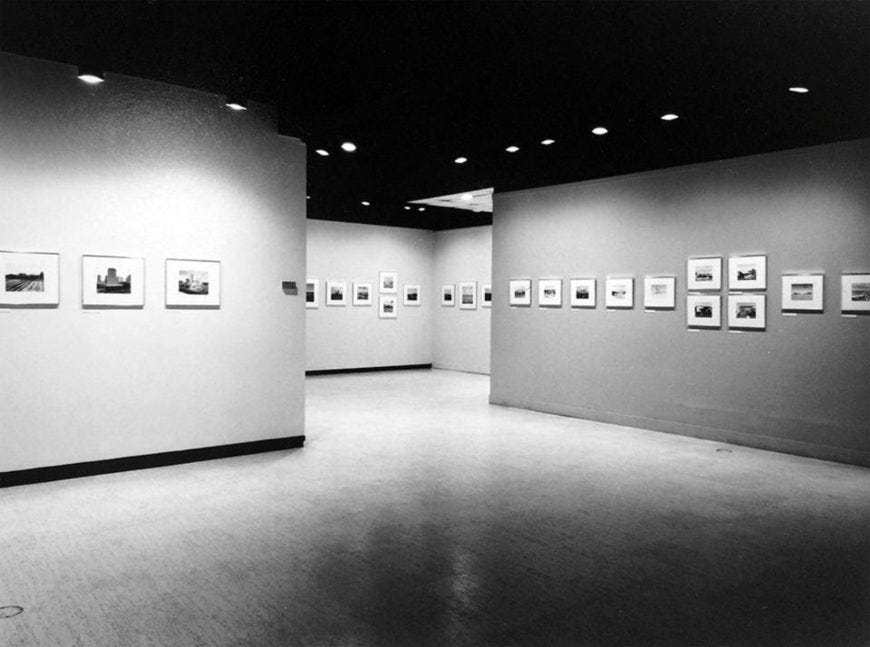
New Topographics: The Show Everybody Hated
One common advice to novice street photographers is to photograph the same area, near home, over and over again. That would allow…
Read more →
One common advice to novice street photographers is to photograph the same area, near home, over and over again. That would allow…
Read more →
I setup the zine exchange club a few months back. I like zines as a window into what interests people and how…
Read more →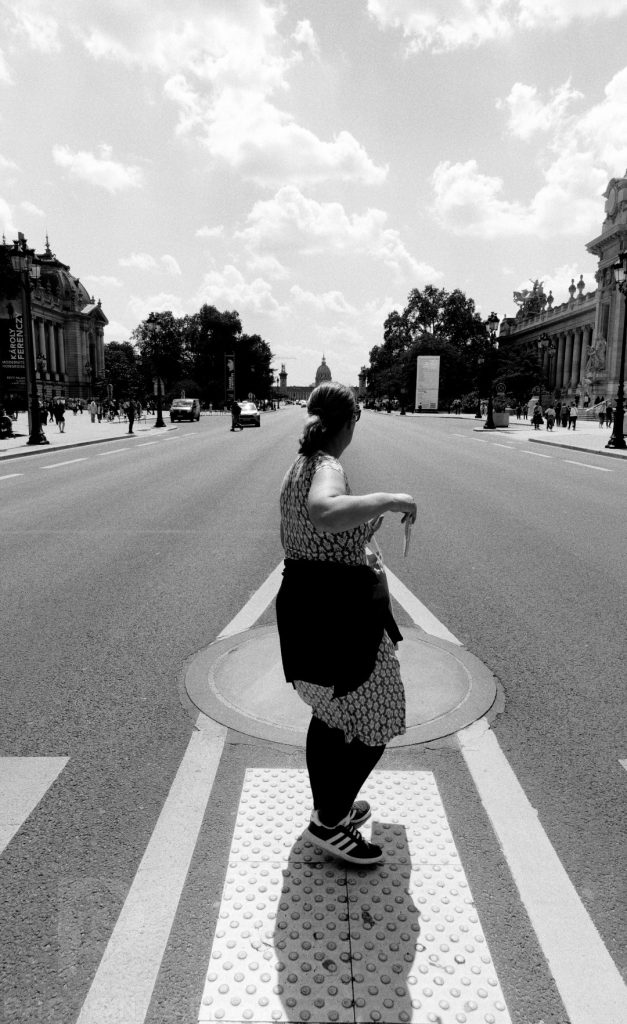
One of the hardest thing in photography isn’t to learn how to use the camera or define your vision. It’s learning to…
Read more →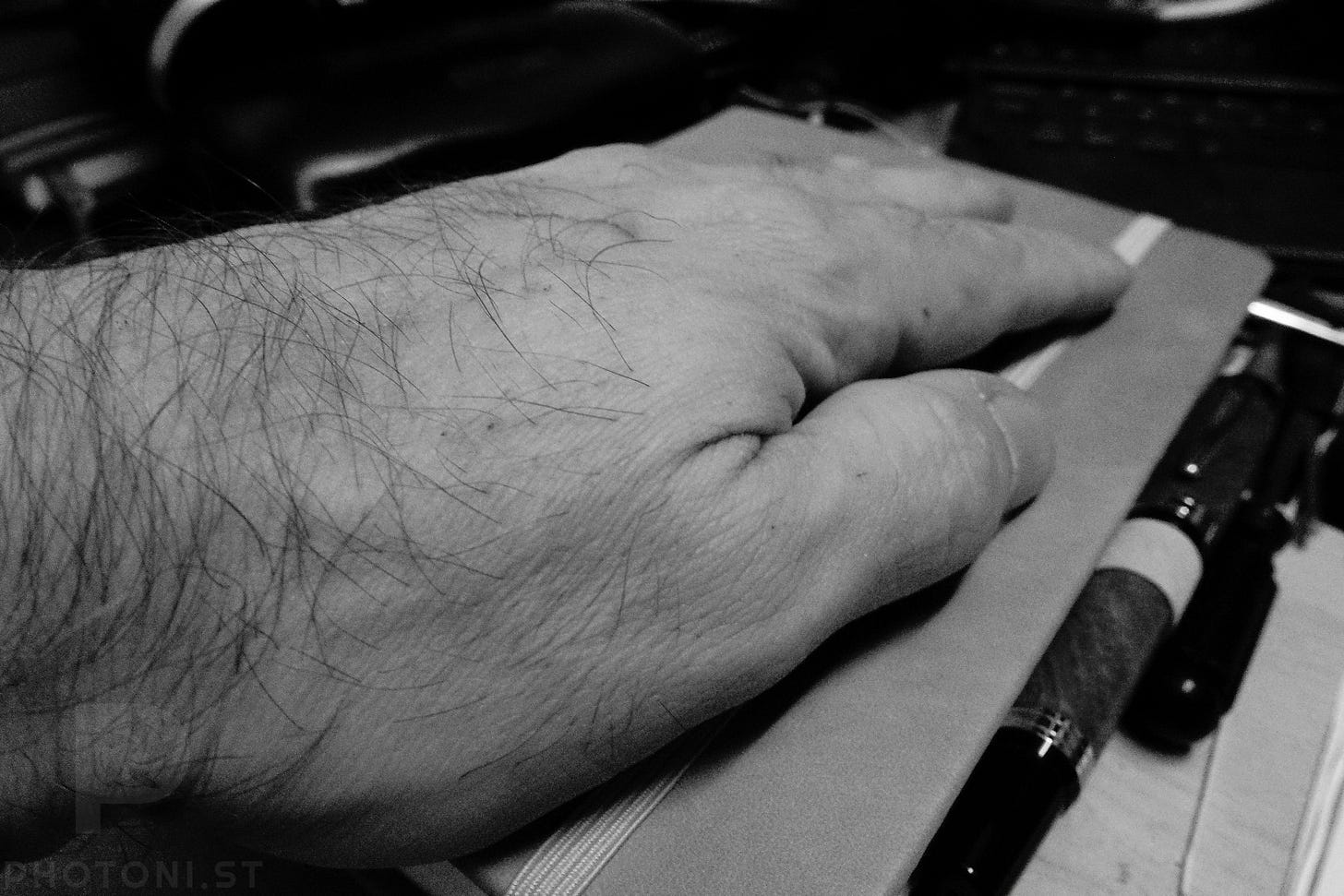
I was thinking of maybe having themes for each week, but decided against it since it would add complication and would make…
Read more →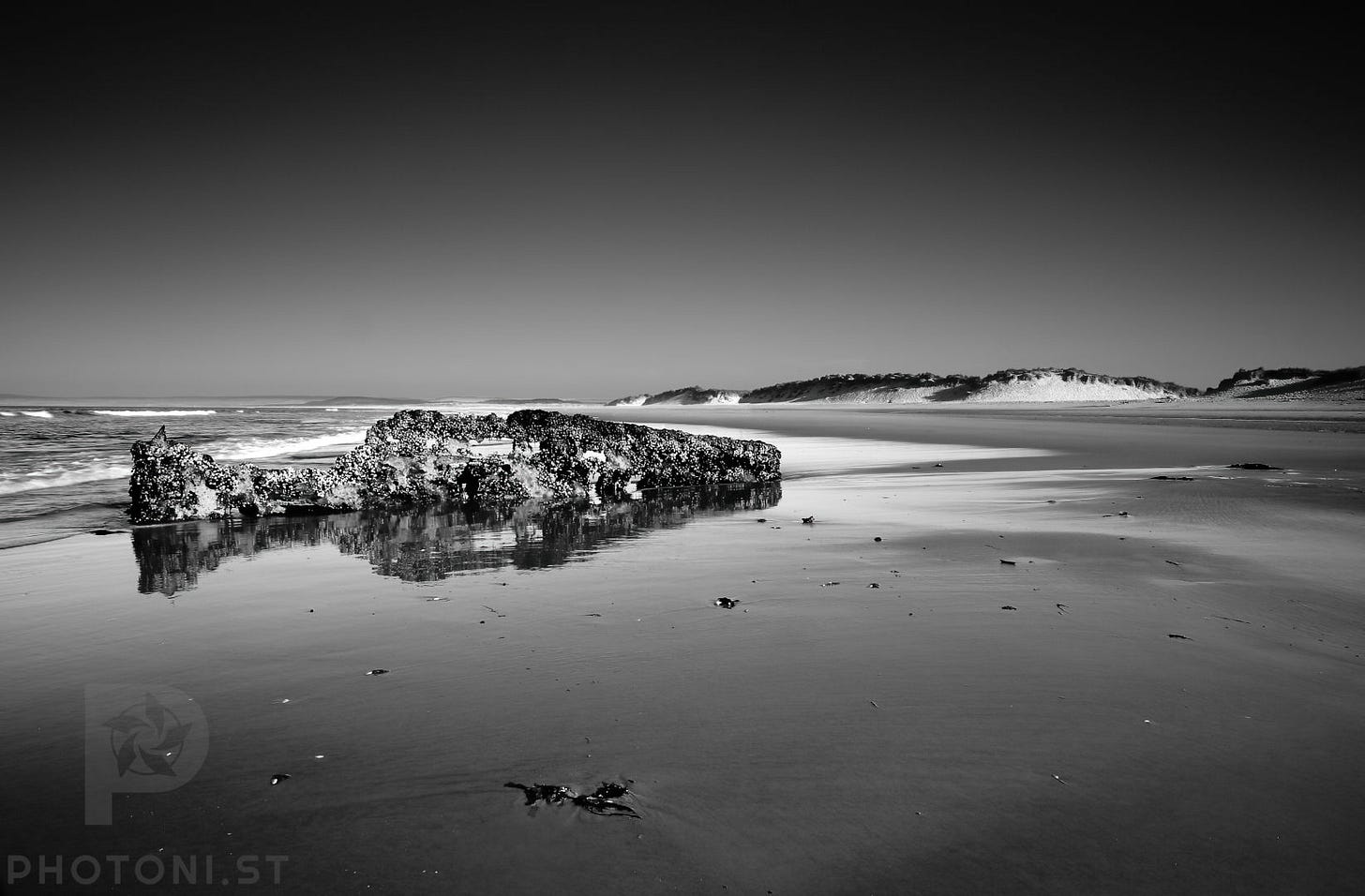
When I started taking photography seriously, I was taking single photos. At most, I’d go back to the same place over and…
Read more →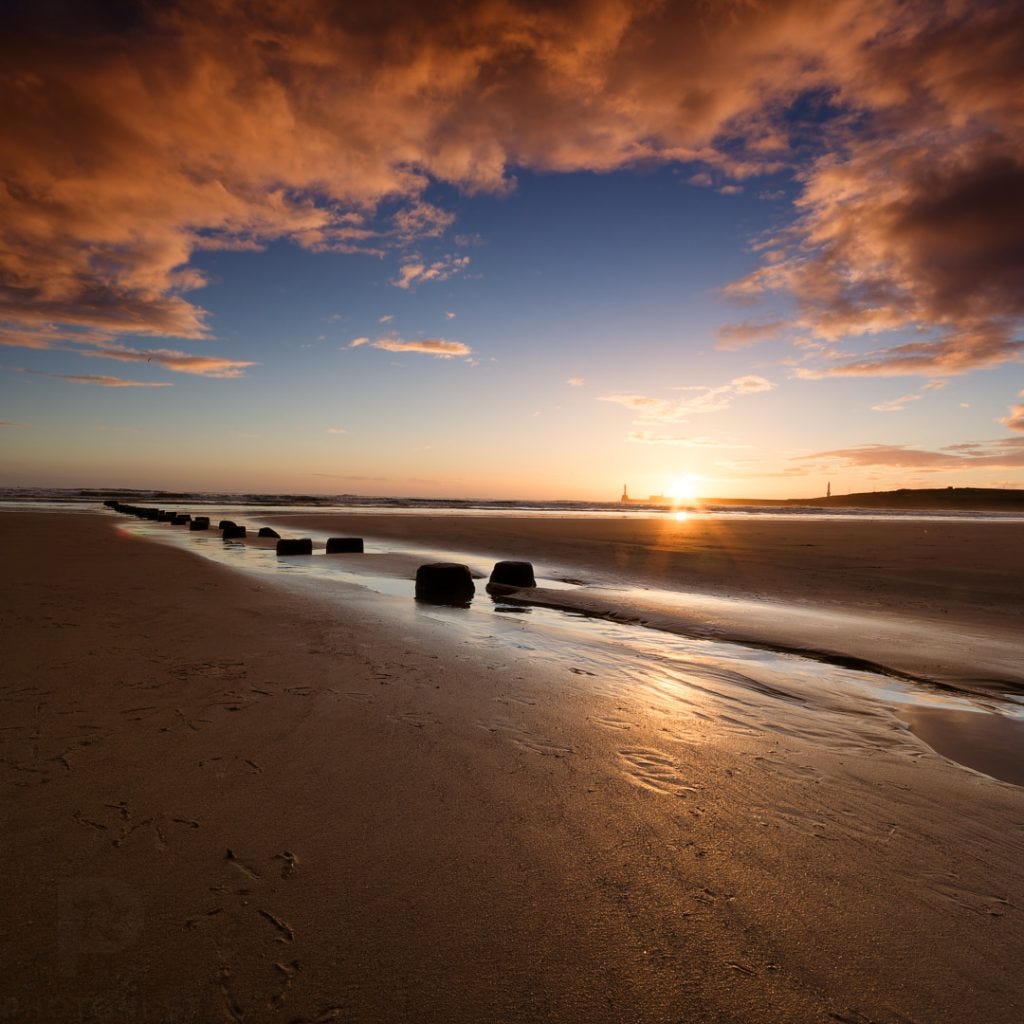
We’ve all been beginners one day. And we’ve all been criticised for creating cliché photographs. The implication is that clichés shows a…
Read more →
It’s not easy to get organised for a year-long project. I made a catalog of ideas for each category, some of them…
Read more →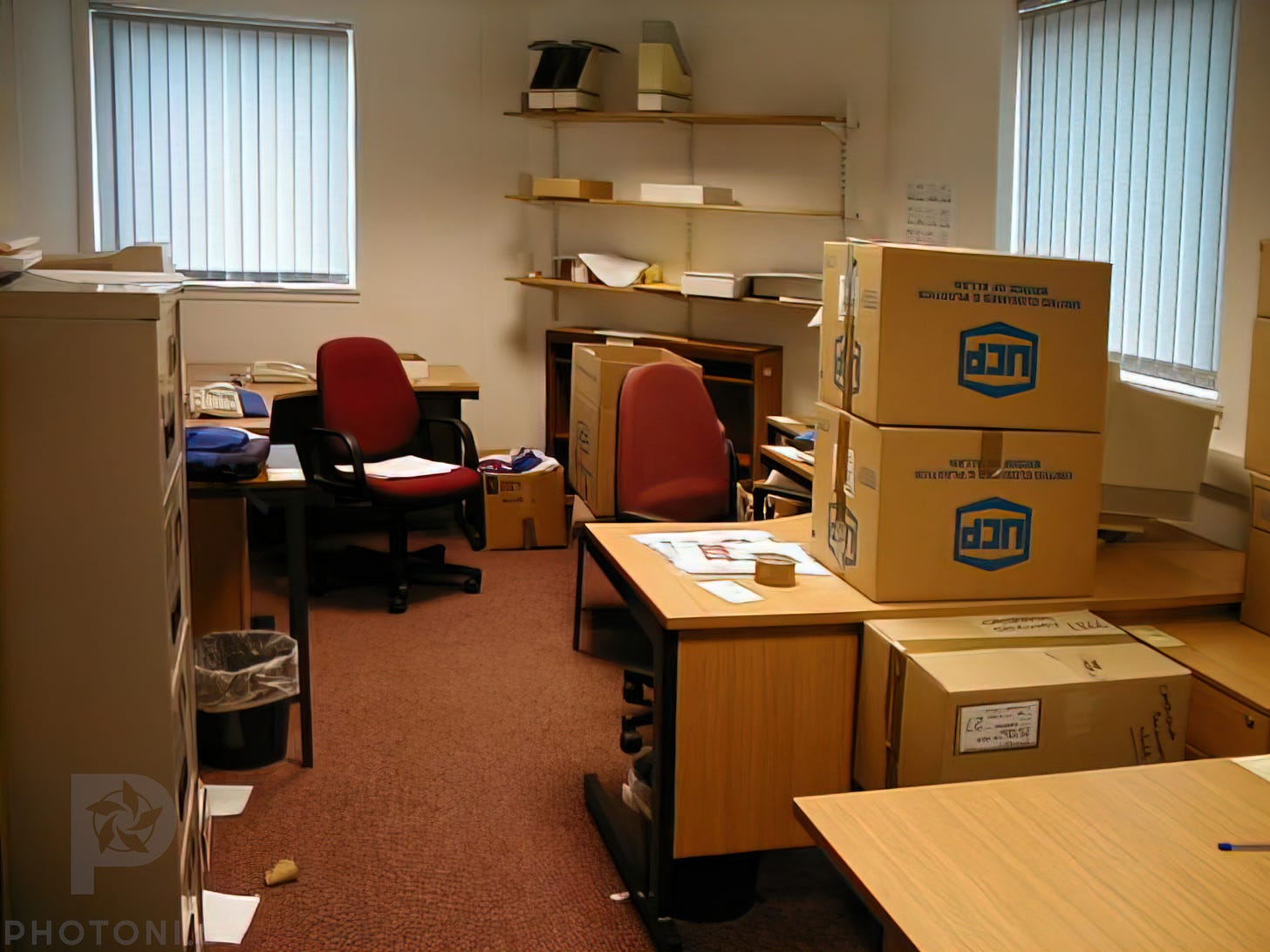
My quest through deadpan photography and New Topographics has led me to discovering a photographer that kind of lives at the intersection:…
Read more →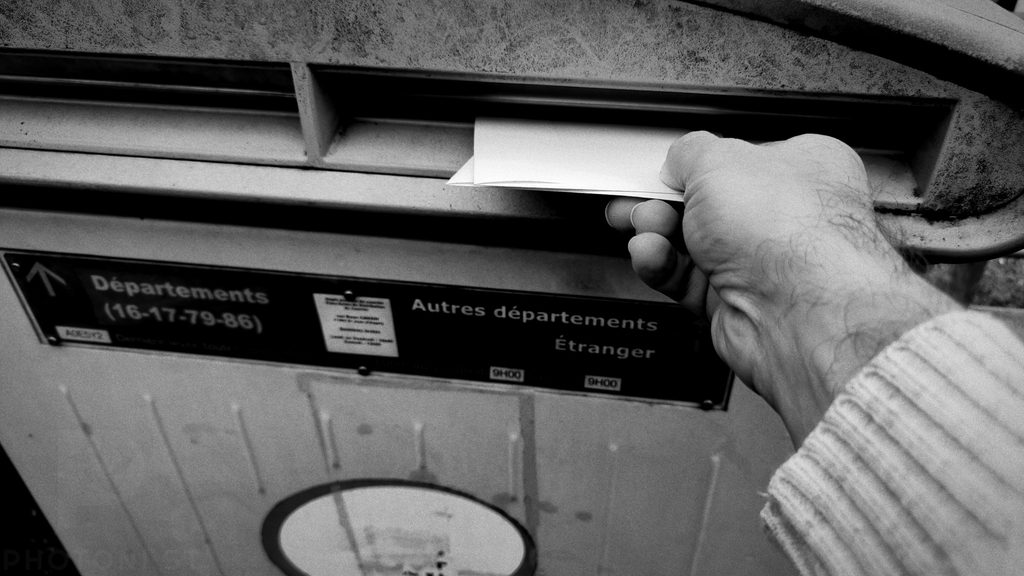
Last week I said I hate the word work and then proceeded to use it and explain it with a private definition:…
Read more →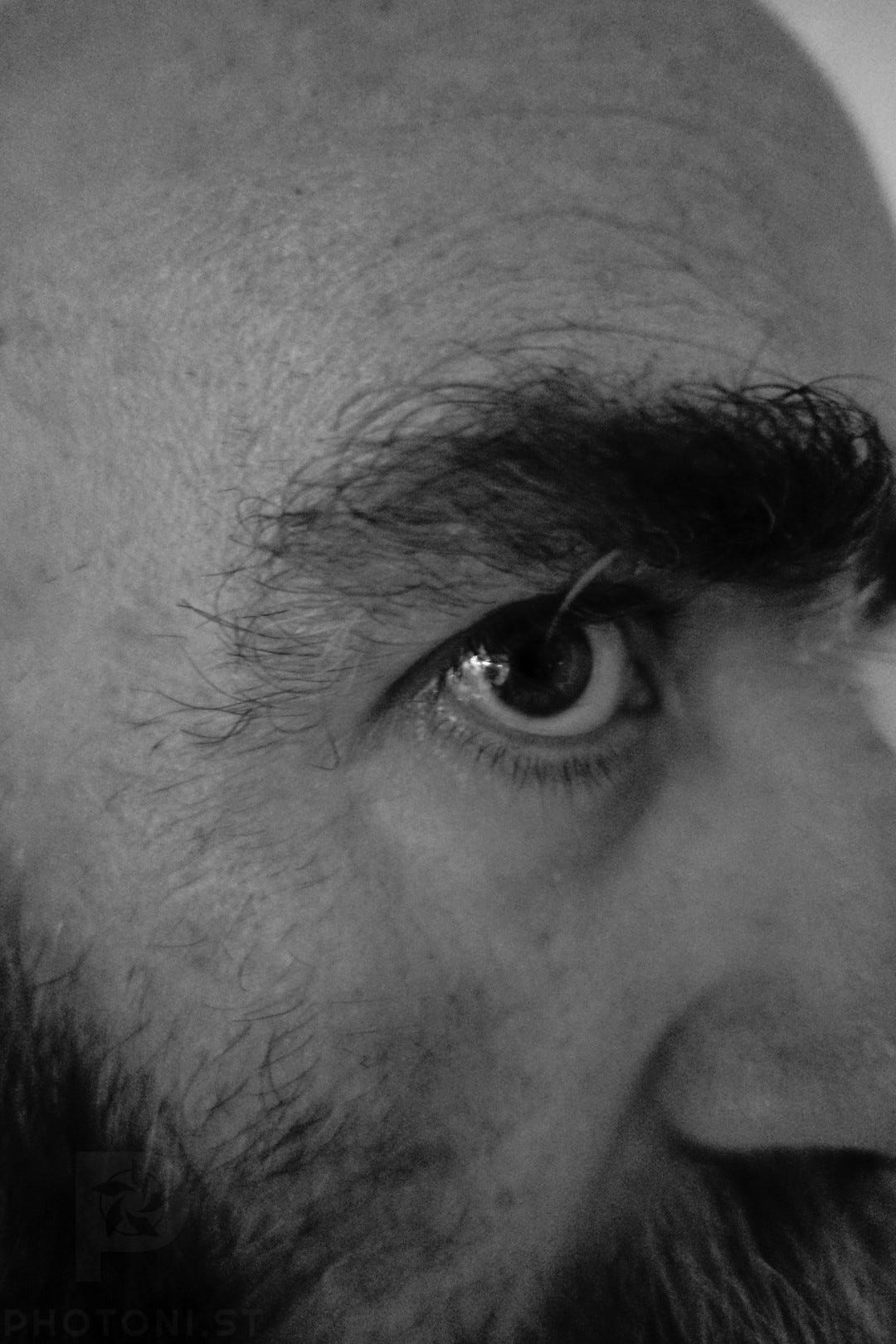
Starting this new project, I’m going in blind. I have thought about where I wanted to go and what I expected at…
Read more →A software engineer looking 50 in the eye. Photography picked up over 20 years ago, then set aside as life intervened — and recently returned to, with a deliberate focus on monochrome. Also drawn to found negatives: rolls of film abandoned by strangers, full of lives worth rescuing from obscurity.