
The universe doesn’t care about us. That’s not pessimism; it’s physics. We’re pattern-seeking creatures dropped into a system operating on principles entirely indifferent to human comfort. Entropy increases, complexity spirals, and meaning is something we have to manufacture ourselves because the cosmos isn’t providing it. For a long time I didn’t have a practical way to live with that fact. Photography became one.
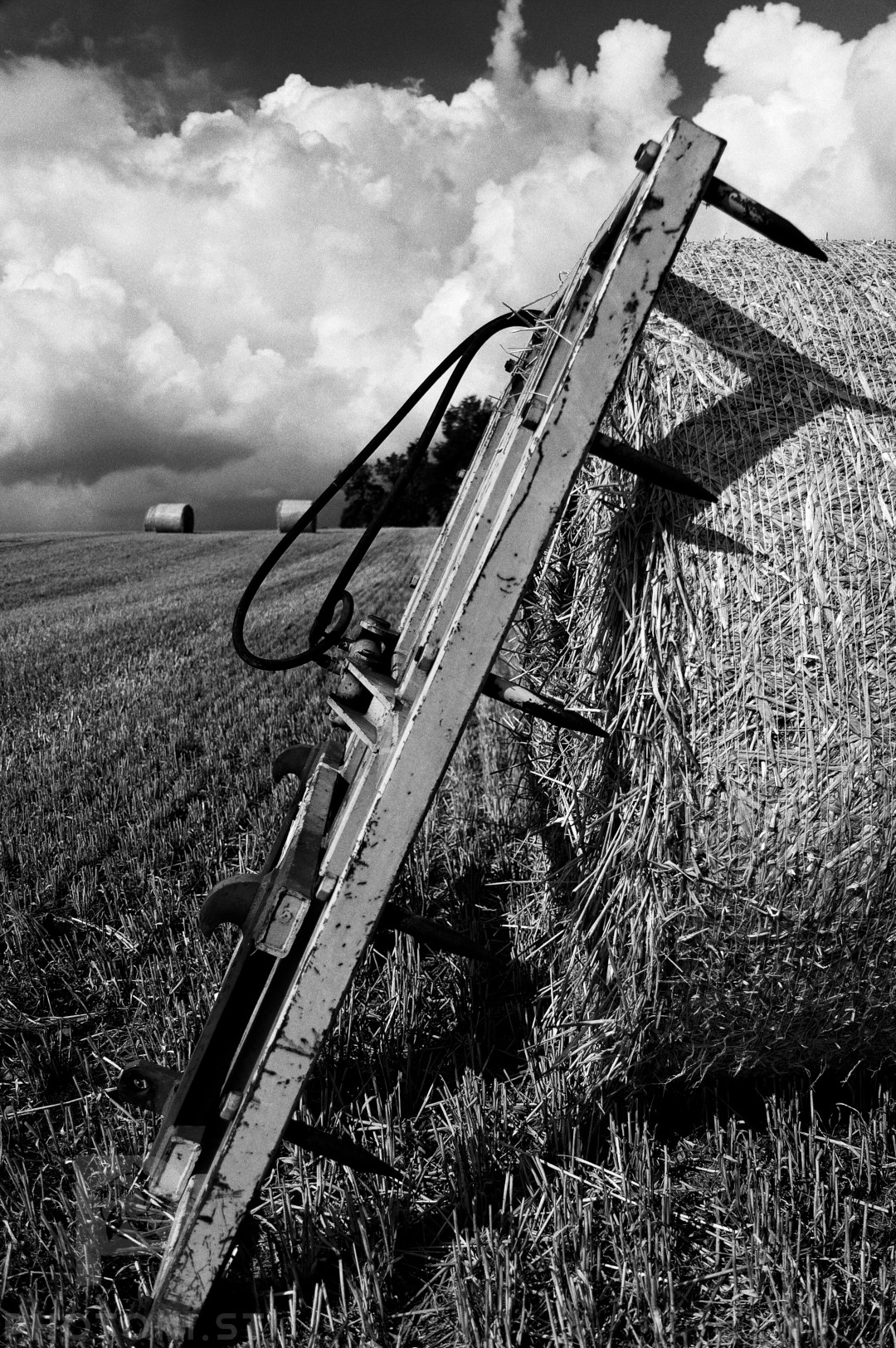
Lifting a camera to your eye is an assertion. In a universe that sprawls infinitely in every direction, the act of framing says: this, right here, is worth attending to. The chaos doesn’t disappear; you’ve simply carved a small territory where you can see clearly enough to operate.
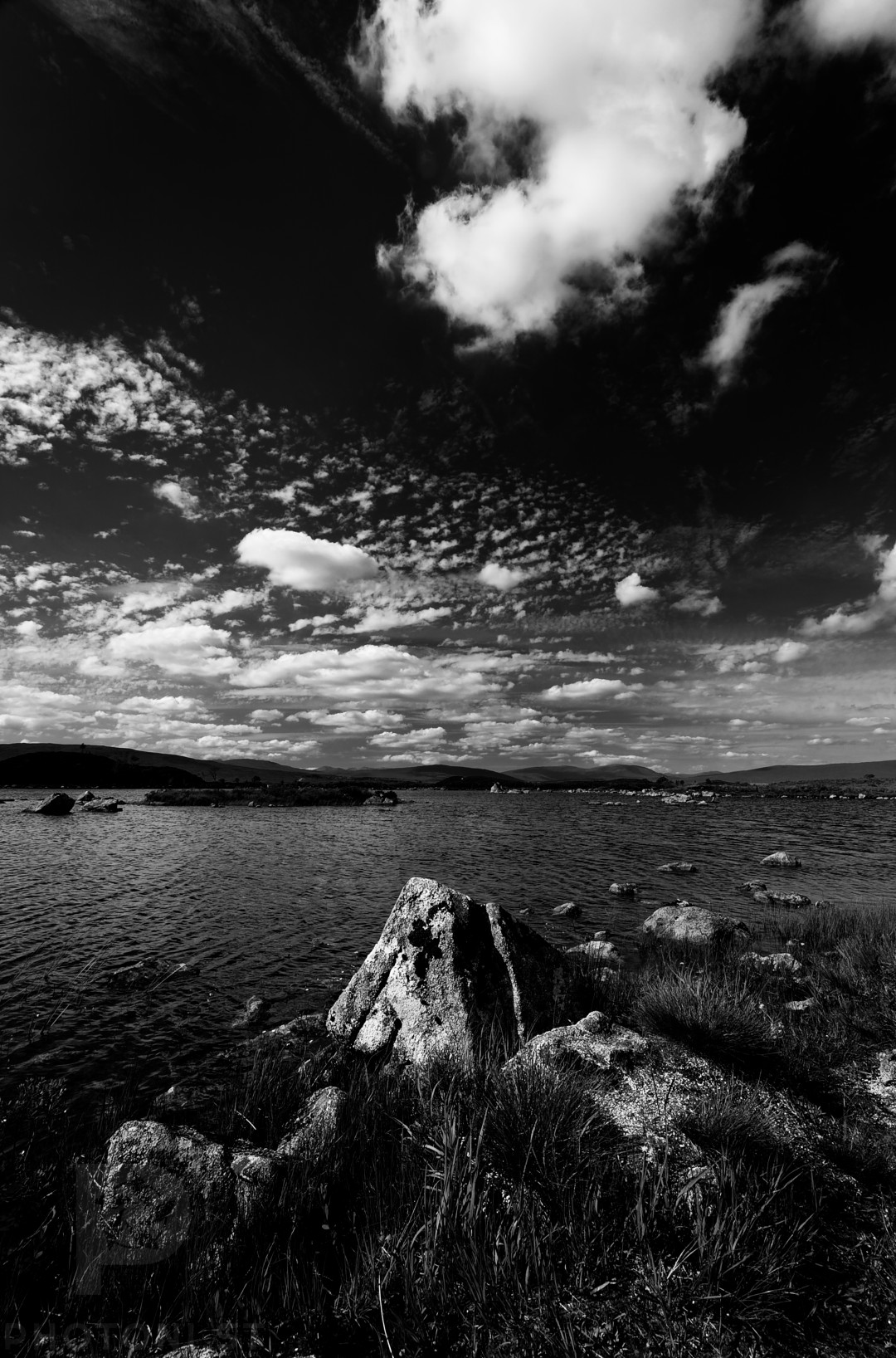
Mountains were obstacles before I started photographing them properly. Forests were clutter, beautiful in their way but fundamentally alien: systems running on their own logic with no interest in mine. Photographing them required slowing down, and slowing down meant paying attention to the way light moved across terrain, the slow work of weather on a valley’s shape, the logic by which ecosystems layer themselves from ground to canopy. None of this became legible quickly. Nature didn’t become friendly. It became comprehensible enough that I could move through it without feeling entirely lost within it.
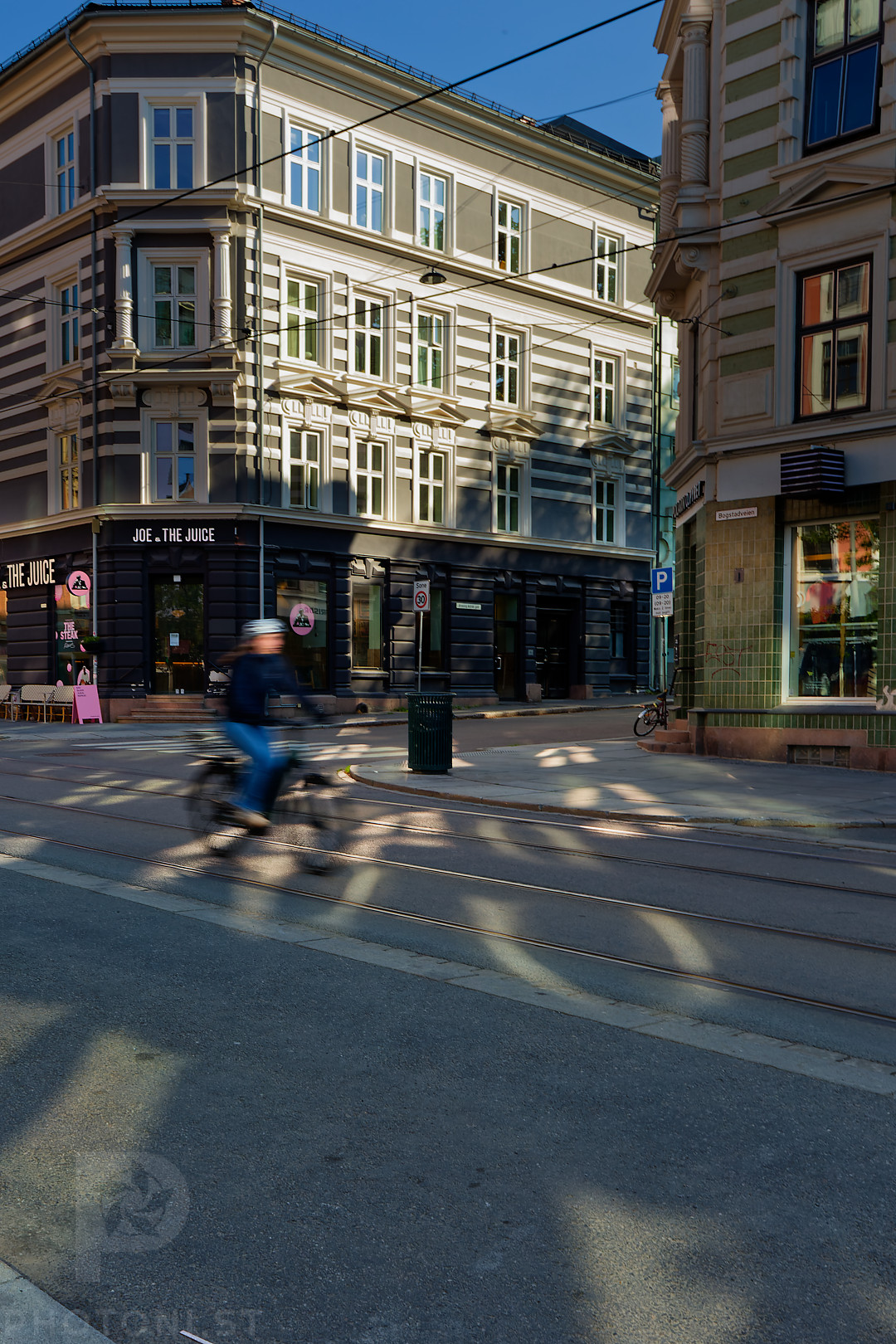
On the street, I used to think I was stealing moments, which felt vaguely transgressive. What I was doing was training myself to see people as people rather than as background. Composing a shot requires attention, and sustained attention changes what you notice: how someone carries their weight, the micro-expression that crosses a face before it resettles, the choreography of strangers sharing pavement without quite acknowledging each other. Empathy, I’ve come to think, is less a moral achievement than a practical outcome of looking long enough. The camera enforces the looking.
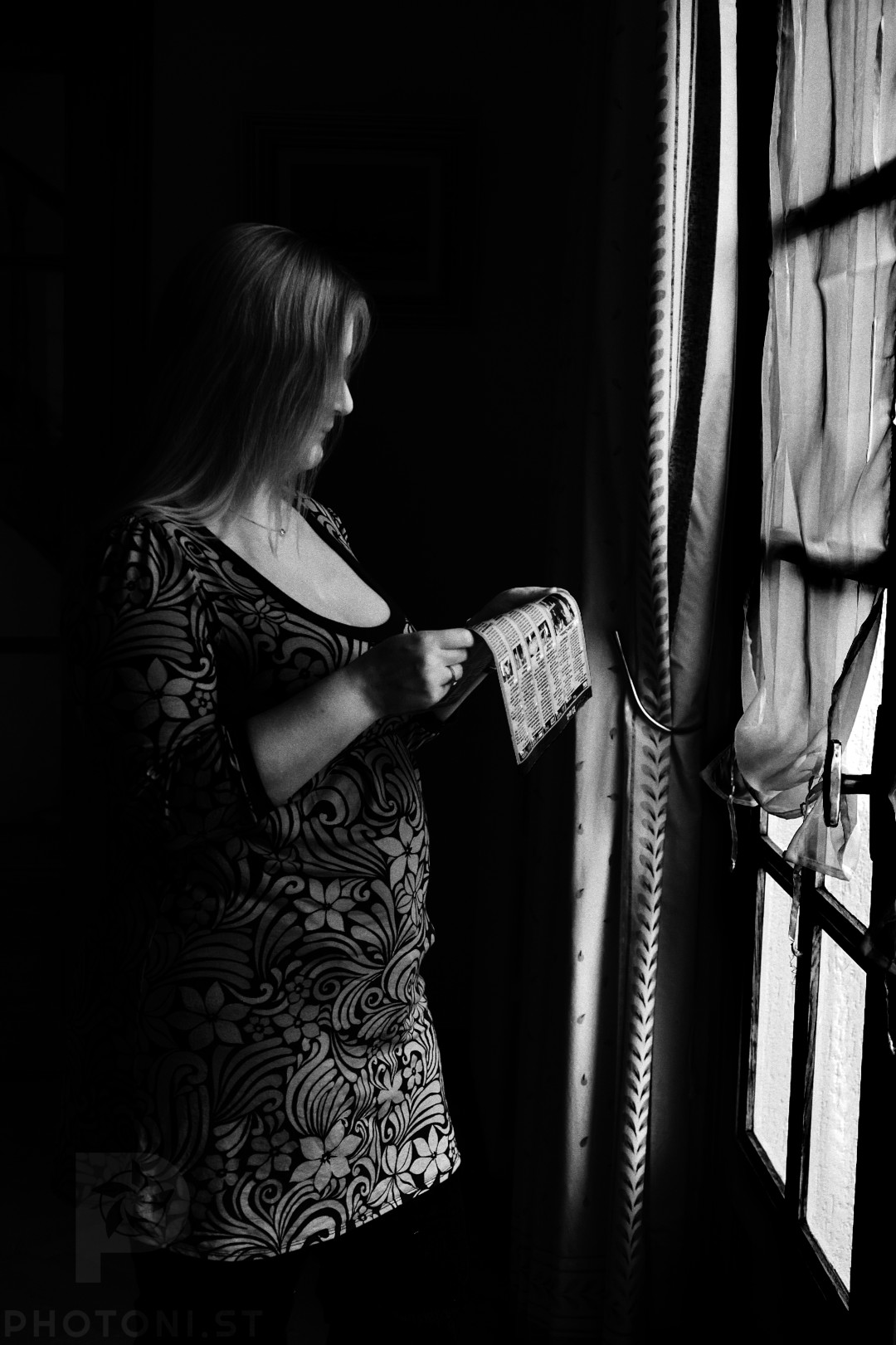
Portraiture concentrates all of this into a single negotiation. You can’t photograph someone well without seeing them, not just their face but the person behind it, and a bad portrait usually reveals the failure to do so. A good one requires a temporary collapse of social distance, trust built in minutes or sometimes seconds, something honest appearing in the space between two people with a frame around it. The subject brings their complexity; I bring the structure. What emerges is never the whole truth, but it’s a version of the truth constructed together, and that collaboration is what separates a portrait from a photograph of someone’s face.
The universe operates at scales we can’t process: geological time, quantum uncertainty, billions of people alive right now doing things I’ll never know about. Photography doesn’t resolve any of that. One frame at a time, though, you build a record of where your attention has been directed, a map not of the territory but of the looking. The map can’t account for everything. It needs only to make the next step navigable.
This can sound like control-freakery. Perhaps it is, a little. Finding your footing within chaos is different from trying to dominate it, and the camera never pretended to offer the latter. It doesn’t make the universe less chaotic. What it does is make you more capable of functioning inside that chaos by creating small pockets of provisional meaning. Those pockets accumulate into a structure: fragile, revisable, entirely subjective, and for all those reasons, entirely mine.
The chaos is still out there. I’ve just stopped needing it to behave.
#Photography #IMayBeWrong #Opinion #Theory #PhotographyTheory