
When you photograph someone and they notice you, something changes in both of you. For them, it’s brief: a moment of self-consciousness, a decision about how to respond, then absorption back into their day. By evening, you’re probably forgotten.
For you, that photograph might stay for years.
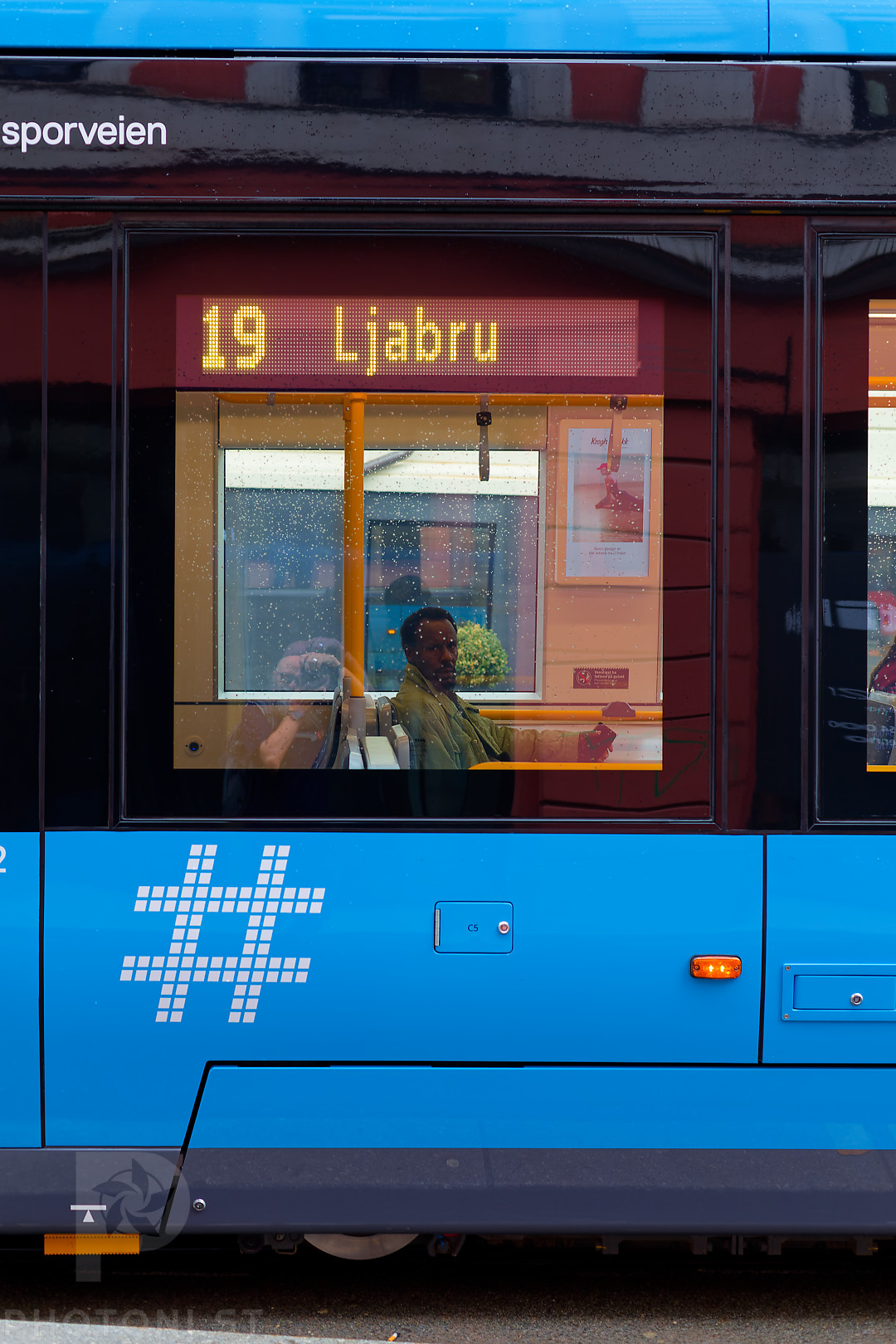
You’ll return to it, edit it, refine it. It might define a project or open a direction you wouldn’t otherwise have found. The person who gave you that fraction of a second, who barely registered you, becomes part of your archive, your practice, potentially the image you’re known for.
The transaction is wildly asymmetrical. They offered a fragment of their existence, usually without knowing it. You kept it, transformed it, used it to change yourself.
Moving through the world as someone who notices things and records what they notice gradually reshapes how you see everything. A gesture catches your eye, or the way light crosses a face, or how a person occupies a corner of a room. The shutter fires; they continue their day. You carry the image forward and let it teach you something about what you’re actually interested in, which is often quite different from what you thought you were looking for.
A single photograph can reveal your real preoccupations. It can become the foundation of a body of work, shift your technical approach, or bring recognition that changes your trajectory. Even when the stakes are lower, each image you choose to keep is evidence of attention paid, a moment where you decided something mattered enough to preserve. Accumulate enough of those decisions and you’ve built a parallel version of your life, constructed from fragments of other people’s existence, transformed through your way of seeing.
There’s something uncomfortable in that. You’re extracting value from someone’s presence without offering anything in return except, occasionally, an interruption. Their momentary existence becomes raw material for your ongoing transformation. You’re the one who’s different afterward. They continue, unchanged.
The asymmetry goes deeper than the ethics of street photography, though those questions are real. It’s structural. Photography is built on the photographer’s capacity to convert other people’s lives into their own education. The subject provides the content; the photographer provides the attention and framing; what comes out of the exchange belongs entirely to the photographer. If the subject remembers the encounter at all, they have a minor anecdote. You have a photograph that might redirect your work for years.
When you’re working on a project, this concentrates. You’re not just collecting moments; you’re constructing an argument, and your subjects become evidence for a position you’re developing. An image that confirms your thesis sharpens your vision; one that complicates it forces you to think harder. The subject has no idea they’re contributing to your intellectual development. They walked past, or sat still, or looked up at the right moment, and that was enough.
Photographers become obsessive about the practice because the work isn’t primarily about producing images. It’s about using sustained attention to other people’s lives as a way of reshaping your own perception. Each photograph is a small adjustment to how you notice things, and over years those adjustments accumulate into a significantly different person.
You construct yourself through others. The people you’ve built yourself from will never know how much they contributed.
They gave you moments. You turned those moments into education, identity, work, self. They continued with their day.
The person who might alter the direction of your photography permanently will probably forget you by dinner.
#Photography #Opinion #IMayBeWrong #Theory #PhotographyTheory