Last week I said I hate the word work and then proceeded to use it and explain it with a private definition: work is what you’ve shared, everything else is practice. I feel that I need to clarify that post. I had planned to revisit it at some point because I wrote it a long time ago, but I think it needs to be sooner rather than later.
The comments that followed were correct. For example, Brooke pointed out that the dictionary disagrees with me, and that “work in progress” and “finished work” already cover most of what I was reaching for. Someone even wondered if he should delete most of his practice so only the real work remains.
The comments made me think that although the idea might have been ok, the vocabulary was getting in its way or sharing it. So I’m replacing it.
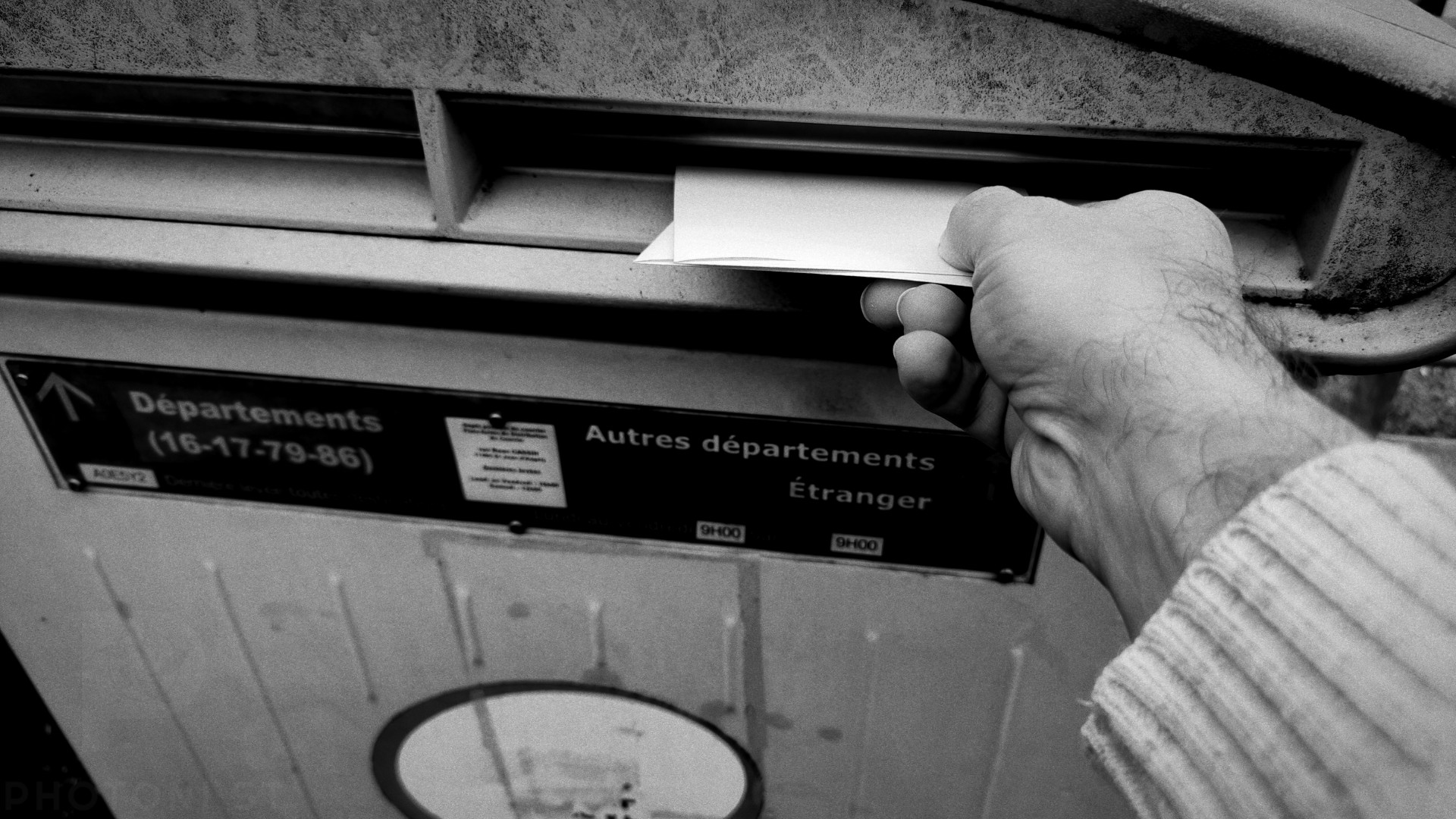
As I said in the original post, I don’t like these words anyway. But I didn’t explained why clearly. One reason is that work has a second meaning that has nothing to do with art or craft: it’s what you do for money. Work means a job, a contract, a client, an invoice. “I’m at work,” “looking for work,” “paid work”, “out of work”.
When that word is used to describe art or craft, the meaning gets blurred and a whole lot of baggage comes with it. When I say “my work”, some people hear “my business”, and others hear “the thing I do for a living”. Others understand that I’m talking about the things you produce as you practice your craft, with or without the idea of making money out of it one day. I don’t photograph for a living, and I don’t want my photography to be assimilated to that meaning because I’m not writing a newsletter about how to make money. The reverse also doesn’t work for me: if I ever did get paid for a photograph (you never now), I wouldn’t want the payment to be what dictated whether it had value in the first place.
I’m not excluding money from the photographic process. A photograph can be commissioned, sold or licensed, and I may do some of that someday if I decided to go that way (though after weddings nearly twenty years ago, it’s not something that I’ve considered). It just isn’t part of the definition of what I do when I go out to take photos. Remuneration is something that can happen to a photograph, like being printed or framed. It doesn’t change the nature of the photograph. A word that mixes the two somehow implies that a photo is more valuable or real if it is involved in a monetary transaction. I don’t (want to) believe that, even though in our ever increasingly materialistic and transactional world, I’m starting to feel like this is a minority opinion.
So here are the two words I’m planning to use instead following a change in viewpoint: a photograph I’ve handed over to someone else is a tradit (plural tradita), from the Latin tradere, to hand over. One I’ve kept to myself is a retent (plural retenta), from retinere, to hold back.
I like that neither word really comes with any baggage. “Practice” implied rehearsal, as if the unseen photos were warm-ups for the real thing which would be the real thing. In some cases it is the case, but in a lot of the time photographs are not shared because you don’t want to. A retent can be a finished print in a book on my shelf that nobody has ever looked at (I print my photos in themed books but nobody ever sees them; the closest I get is when I share zines). A photo I don’t share isn’t a less valuable photo, it’s just one that hasn’t left me. That addresses the idea of “finished work” being what you share: it’s not.
Also tradit is money agnostic. It only implies handing over to someone, nothing more. A tradit can be a free postcard, a paid commission, or a sold print. Even a photo I have been commissioned to create for an ad campaign but haven’t delivered yet is still a retent, no matter how much the client has already paid for it. The only consideration is whether someone else has received it.
So no, you shouldn’t delete your retenta. Most of what you make will be retenta, and that’s how the craft works. It doesn’t mean it’s not finished. It doesn’t mean it’s not valuable in itself. Sharing your photos doesn’t make them more real or more part of your legacy. Look at Vivian Maier: she has a huge legacy that is considered as one of the most important street photography productions, she just never knew it.
Speaking of Maier, last week I said work is what you show. That wasn’t right, because Vivian Maier never (or extremely rarely) showed anyone anything, and her photographs have since been seen all over the world. The release into the world happened without her. A better definition is about the receiving end only: a photograph becomes a tradit when someone other than its maker has experienced it as a finished thing. In the case of Maier, it happened after her death and her tradita still expand to this day as more photos are processed and released.
That means that the concept of “finished” as in “finished work” no longer applies. It implied too much permanency anyway. I said that a shared photo can’t be revised, which is technically wrong because I didn’t go into the details: I can open the file tomorrow and change it. What I can’t do is change the copy in your head. So put more accurately, reprocessing a tradit doesn’t revise it, doesn’t change it. By definition. It is a consequence of memory and attention, and there is nothing anyone can do about it.
Reprocessing a tradit makes a new retent, a second object. The first one stays out in the world, exactly as people received it, unreachable, unchangeable forever. The two objects can have the same value, as in what they look like, but a different identity. If I later share the new file, I’ll have two tradita of the same original, and both are real, both are received. The important idea is that handing something over is a versioning event, but not a change of any existing tradit.
For most people, their archive will be vastly retenta. These photos live on hard drives, in private albums, in boxes, or in photobooks only the printing machine ever saw. Very few are tradita. Like Ansel Adams said, “Twelve significant photographs in any one year is a good crop”. It’s normal and it shouldn’t be a reason to delete your retenta. Take Robert Frank: he took 28,000 photos for his book The Americans, and selected only 83. That’s an absolutely tiny tradita to retenta ratio. There is no telling how many weren’t published he but still considered finished and would have liked to add to the book. These remained part of his retenta. I remember when I did weddings, I would take thousands of photos on the day, present about 300 to the couple, and select with them just enough to create the album, even though the excluded ones were still good and finished in my opinion.
And that’s what counts at the end of the day: how many photographs do you consider finished, even if nobody will ever see them? Your retenta has as much value as your tradita. Maybe not financially. But qualitatively.
I may be wrong about these invented words too. If you’ve got a better pair, I’d like to hear it.
#Photography #Opinion #IMayBeWring #Tradit #Retent