
For a while I assumed the relationship was simply doomed. Photography requires patience: you develop a project over months without knowing whether it’s working, improvement arrives slowly, the feedback loop runs on timescales that platform culture has trained people to experience as failure. For a generation whose entire media experience has been structured around instant response, this looks like a fatal incompatibility.
I think that’s the wrong framing, and I’ve been slow to see why.
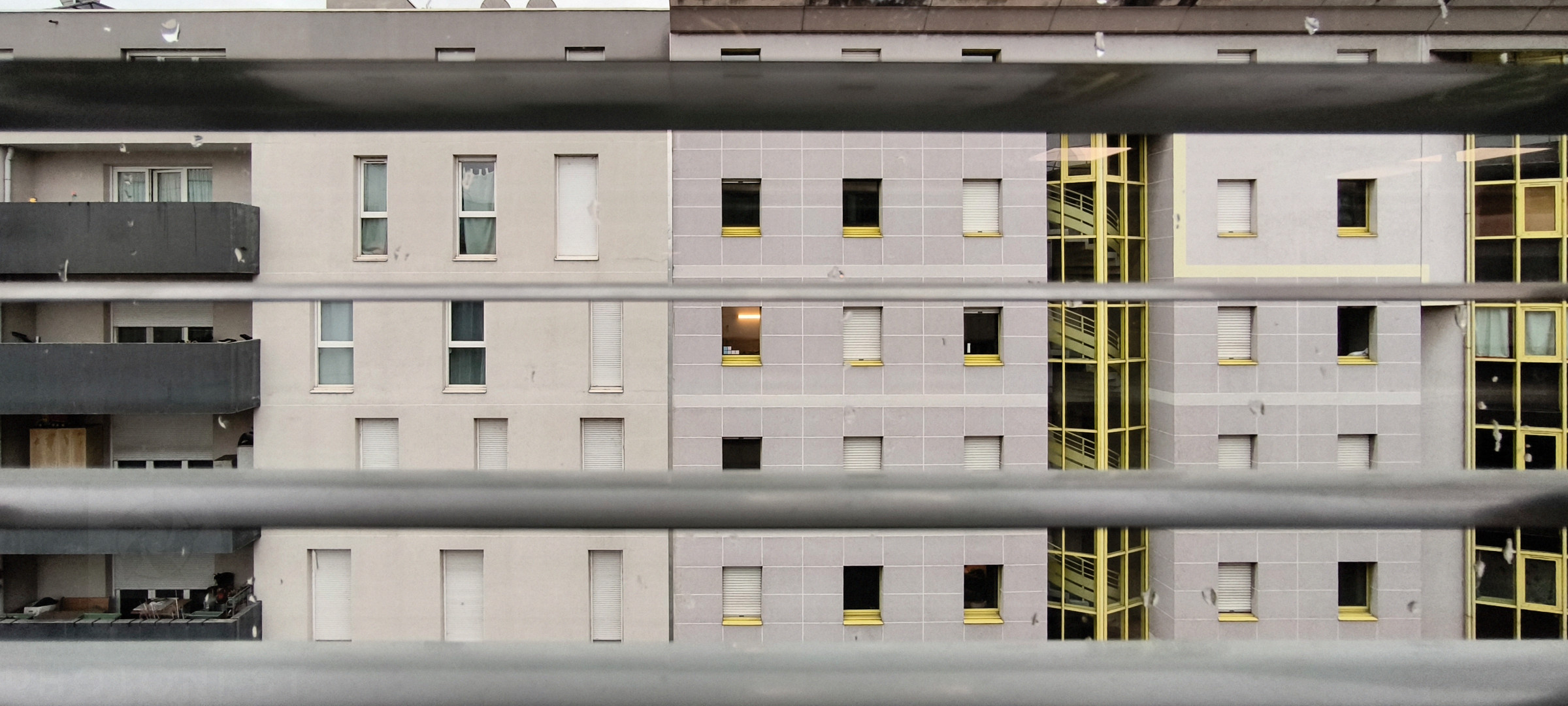
Gen Z has a visual literacy advantage that most photography writing ignores. By twenty, a young photographer from this generation has consumed more images than most photographers from earlier generations encountered in their entire careers. Visual grammar is absorbed rather than studied, because they’ve been immersed in images since they could hold a screen. That’s not a trivial asset when your medium is visual.
The concern I hear most often is framed around reading decline: university lecturers report students arriving unable to sustain more than a few paragraphs of text, and photography education has traditionally involved reading theory and written analysis. That’s a crisis for photography programmes, not for photography itself. Most of the medium’s history involved learning through practice, observation and apprenticeship rather than through reading. The idea that serious photography requires extensive text-based study is recent and probably overstated. You learn to see by observing carefully; you develop timing by practising it.
The attentional problem is harder to dismiss. Every photograph posted on a platform generates immediate feedback: likes, comments, the algorithmic verdict arriving within hours. That trains expectations about how creative work operates. Serious photography runs on a completely different timeline. Months pass, projects develop in unexpected directions, and whether something is actually working remains unclear for longer than feels comfortable. That pace is difficult for anyone who’s been rewarded repeatedly for rapid production and instant response.
What I didn’t initially account for is that this same pressure appears to be generating its own counterforce. Among younger photographers there’s an observable turn toward film, toward analogue processes, toward slower and more constrained ways of working. Film photography’s resurgence in this generation isn’t nostalgia, given that most of them have no memory of film as a default. It’s a rejection of the platform reward cycle: the expectation of instant legibility, the compulsion to share, the dopamine loop they’re already sick of. They’re choosing deliberate slowness. Results arrive days later and may disappoint. The instant verdict isn’t available, and that’s precisely the appeal.
Patient practices carry a different weight when patience has become a form of resistance. For this subset of Gen Z, photography isn’t just a medium; it’s a refusal of how they’ve been trained to consume and produce images.
What probably disappears is the middle tier. Photography used to sustain a large category of intermittent hobbyists: people who shot occasionally, developed modest skills, maintained mild interest over years without serious commitment. That category may empty out. On one side, phone-camera users treating images as documentation with no investment in improvement. On the other, a smaller group pursuing photography precisely because it demands slowness, material constraint, sustained attention. The casual middle, where most hobbyists lived, might simply cease to be a viable position.
AI image generation is the other pressure, and it doesn’t single out Gen Z; it targets everyone who cares about photographs as records of encounter with reality. Synthetic images look like photographs but aren’t witnesses to anything. They required no encounter with what was actually there, no presence in front of anything real. For photographers who understand the medium as fundamentally requiring that encounter, a generated image isn’t a substitute because presence was the point. Image-makers who feel no particular attachment to that distinction were probably always doing something else, and calling it photography was always a loose use of the word.
Will photography die with Gen Z? It will contract. The middle tier will thin, the supporting infrastructure will keep eroding, and AI will force a sharper distinction between making photographs and generating images. But the practice continues because the impulse behind it, the desire to witness the world through careful looking, doesn’t disappear with one generation’s attentional habits.
I started worried that photography couldn’t survive what’s happening to attention. I’m ending somewhere more interesting: photography might be exactly what a subset of this generation chooses as their way out.
#Photography #Opinion #IMayBeWrong #Future #GenZ