My mother sometimes jokes that she raised a ghost, because there are barely any photographs of me as a child or teenager. I just hated having my photo taken and I’d find ways to hide to avoid it. When I started photography ca. 2002, I started taking photos of people around me. But I continued to hide from them when they wanted to take photos of me. My relationship with them was imbalanced.
It took me another 15 years to realise I was being stupid.
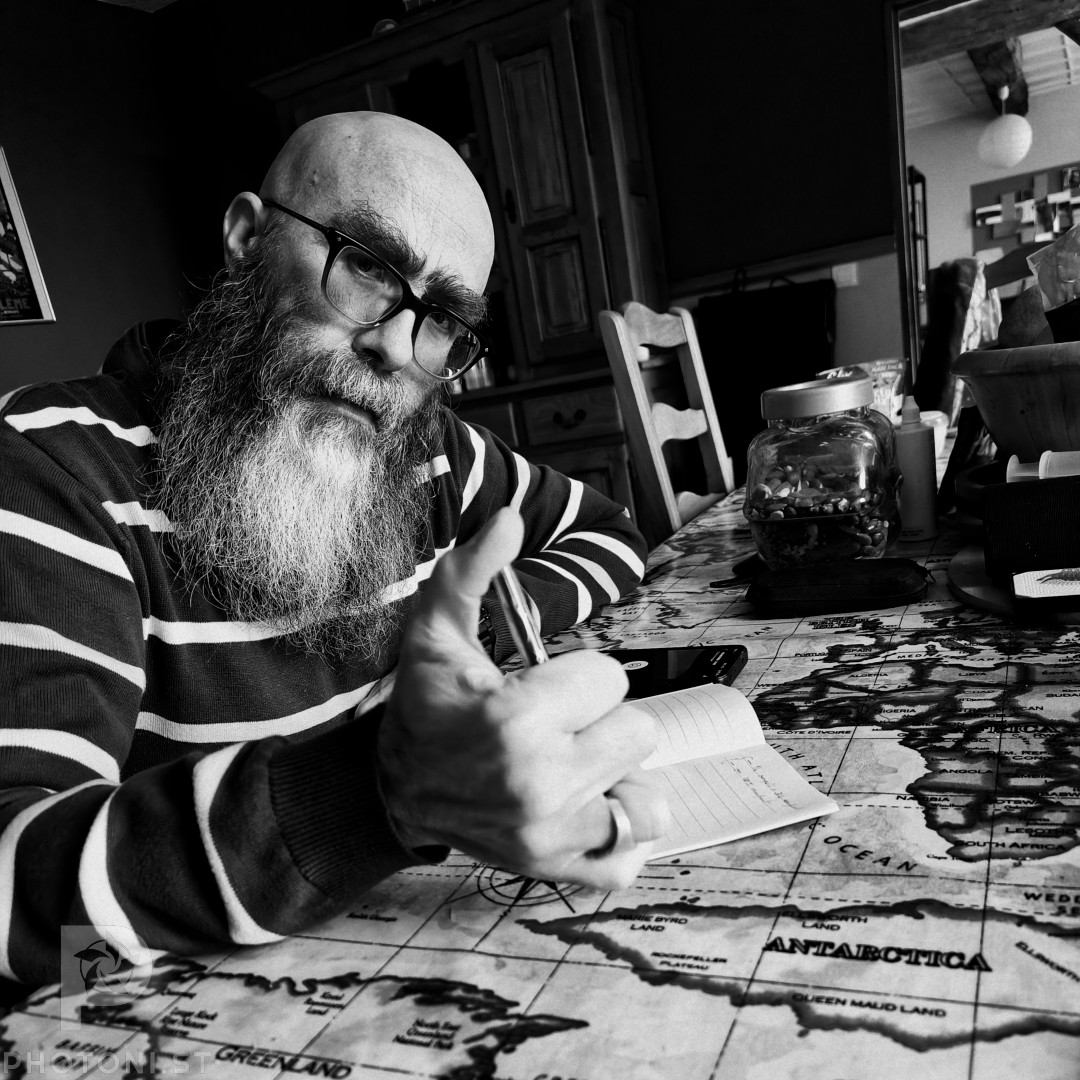
I used to treat photography as a kind of talent show. Every frame had to prove something. I chased technical mastery, polished every pixel, and waited for the approval of whichever (pro or amateur) photographer I respected. It was exhausting. More importantly, it left me out of my own work. I hid behind the camera so effectively that I almost erased myself.
A hiatus of a few years forced me to realise how noxious my attitude had become. When I started again, I wasn’t interested in impressing anyone. I wanted to understand what photography actually was, the value of photography and of photographs, what it meant to use a camera, and why I felt the need to do so. Hence this Substack newsletter.
That question was far more interesting than getting another pat on the back for a well-timed sunset. In fact I stopped taking landscapes altogether by lack of interest. I had moved on. Once I stopped performing, I realised how much energy I had wasted trying to look competent instead of curious. I stopped thinking about photography as a stage and began to see it as a record, something plain and honest that doesn’t need applause to be worthwhile.
One of the consequences of that change was that I became comfortable with my own image. For someone who used to flinch whenever a camera pointed in his direction, that was a revelation. I had spent years critiquing photographs of myself with the same severity I applied to the photos I took. If I couldn’t produce a version of me that met my arbitrary standards, then I preferred not to exist at all. The moment I stopped treating photography as performance, that logic disappeared. A photograph of me no longer felt like a judgement. It was simply evidence that I was there.
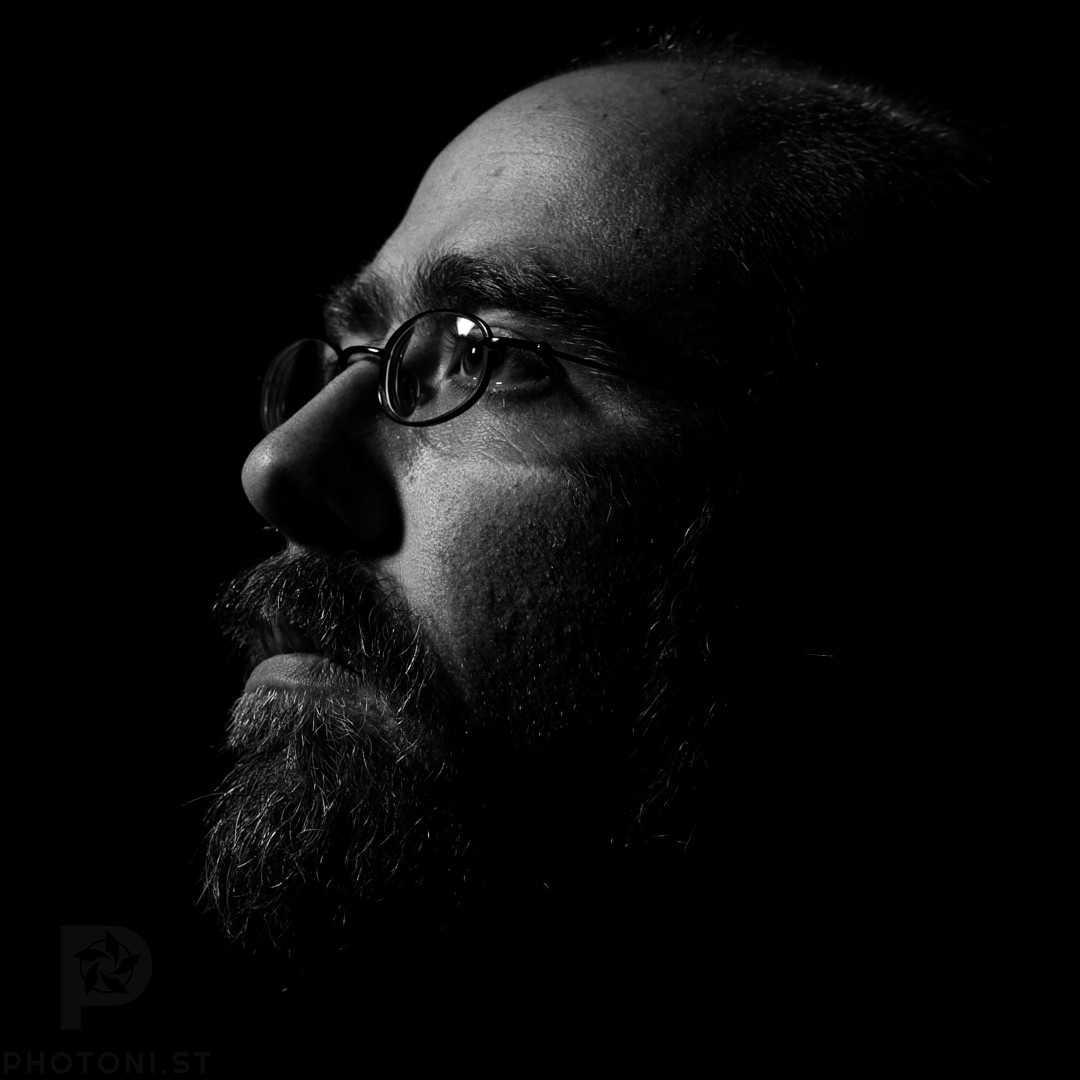
This change came from thinking of photography as documentation rather than show. Documentation doesn’t flatter, it describes. It doesn’t care about perfection, only presence. Once I accepted that, something loosened. I stopped avoiding family cameras. I stopped worrying about what I looked like in the photos. I even started collecting photographs of myself, which would have horrified the earlier version of me. Not in the narcissistic sense, but as time markers. Proof that I lived through these years and didn’t just observe other people doing it.
Treating photography as documentation also gives me a way to observe the person I am becoming. There is value in that. If I want my craft to say something truthful about the world, it helps to acknowledge that I inhabit it. The camera records my presence with the same indifference it gives a street lamp or a passing dog. That indifference is freeing. It leaves no room for the self-conscious performance I once imposed upon myself.
Some people worry that documenting themselves will make them vain or overly introspective. I find the opposite. The more I treat my own image as a matter of fact, the less I obsess about it. The photograph becomes a tool instead of a threat. A practical way of seeing myself without the cosmetic filters of ego or insecurity. Now, when my wife takes a photo of me, I don’t even pay attention. sometimes I don’t even notice.
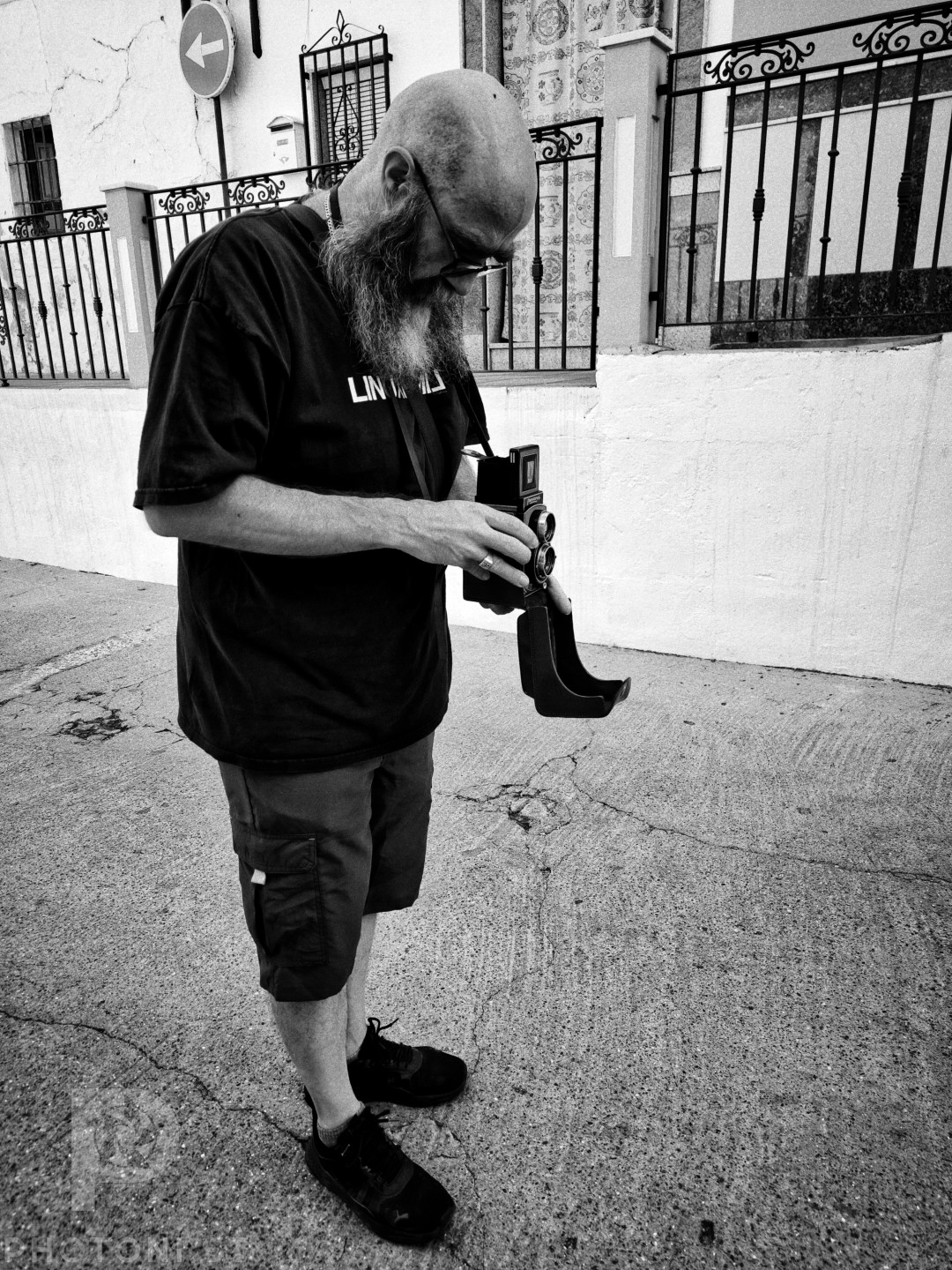
In a way, stepping out from behind the camera has influenced how I use it. I no longer try to impress anyone. Instead, I try to understand something, and that includes understanding the person holding the device. When photography stops being a performance, it becomes a mirror. I finally recognise myself in it, and I don’t mind what I see.
#Photography #IMayBeWrong #theory #PhotographyTheory