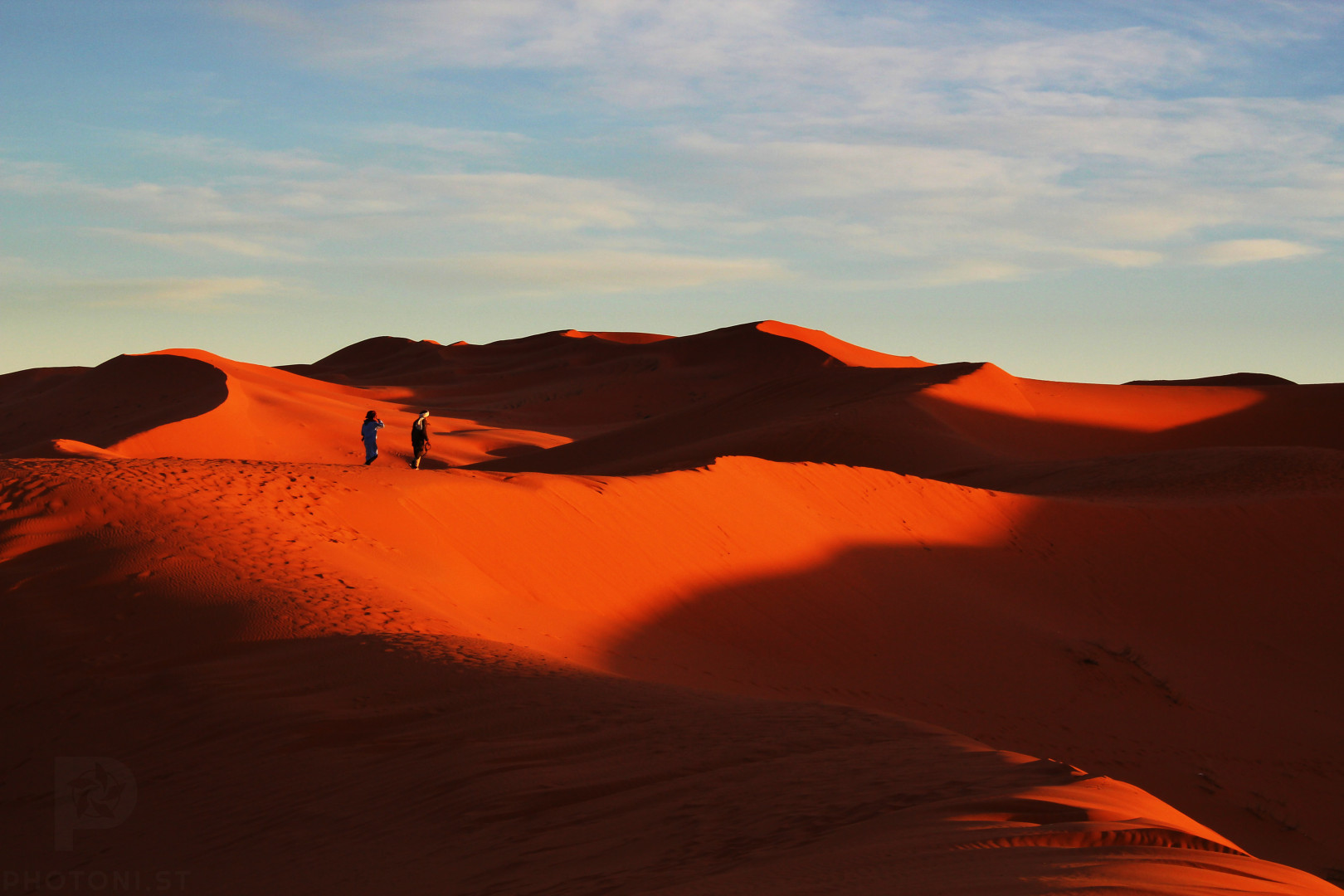
I can tell you exactly how I felt standing on a sand dune in Morocco many years ago, watching my wife photograph a sand dune through evening light. I remember the temperature, the angle of the sun, the smell of dust. I remember the specific quality of happiness that comes from being exactly where you want to be with exactly who you want to be there with. That moment is still accessible to me. I was there. It happened. The photos prove it.
We’ve built an entire economy around the idea that owning things produces satisfaction. Better cameras, more lenses, newer bodies with incrementally improved sensors. The photography industry depends on convincing you that the next purchase will unlock something, that the right equipment creates quality images, that the right images create the right life. It doesn’t.
What matters is experience. Not in some vague spiritual sense, but in the concrete reality of what you actually do with your finite time. The meals you eat with people you care about. The places you go. The light you stand in. The conversations you have. The moments that, when you’re dying, you’ll want to remember having lived through. None of that requires ownership. All of it requires presence.
Photography is important when it serves that. Not photography as hobby or technical exercise or aesthetic pursuit, but photography as a tool for engaging with life and keeping evidence of having done so. The photos that matter aren’t the ones with perfect composition or ideal exposure. They’re the ones that let you return to experiences worth returning to.
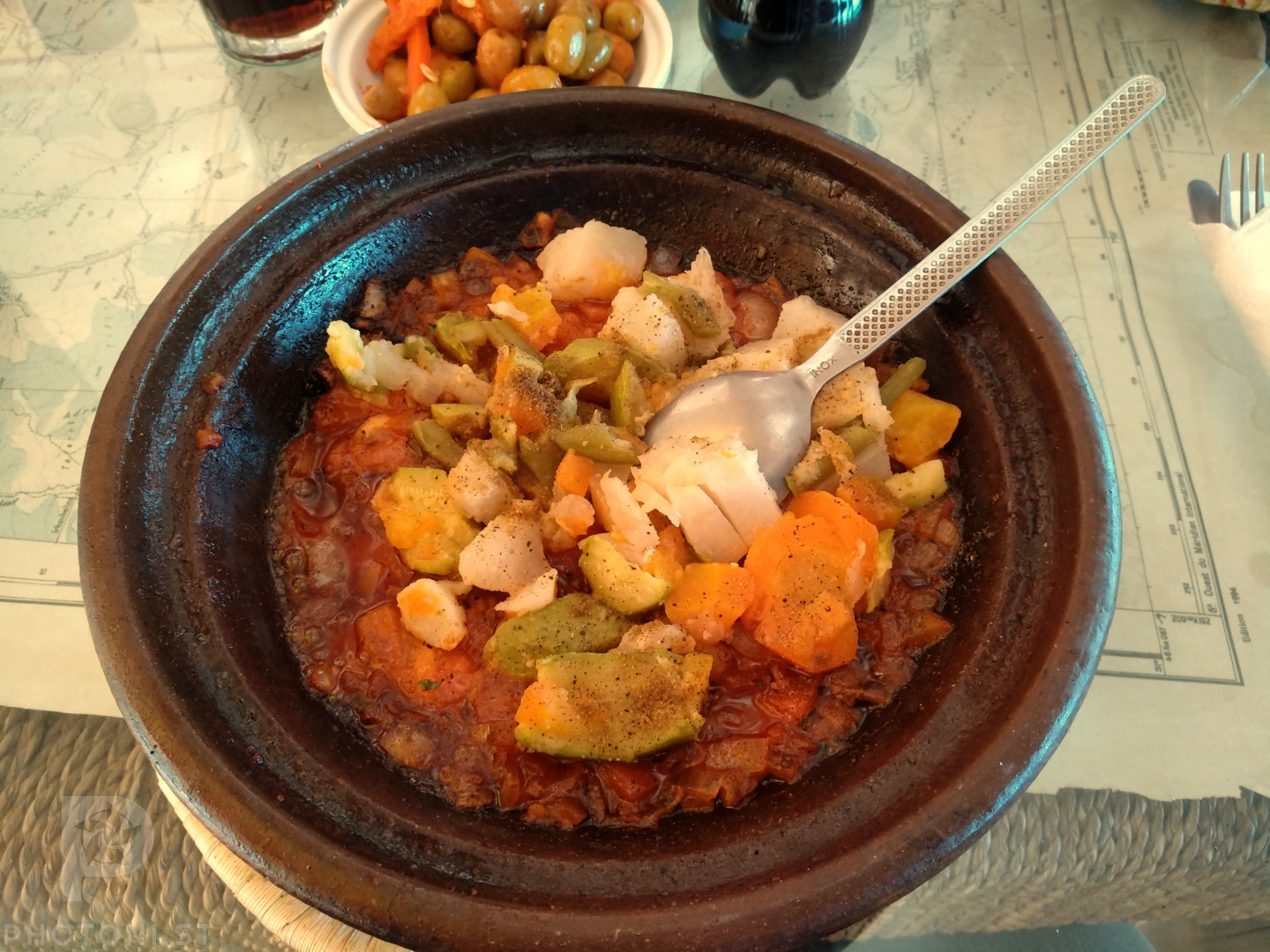
My wife and I still look at photos from Morocco. Not often, not ritually, but when one of us needs reminding that good things exist (and it today’s world, it’s needed). The images aren’t technically impressive. Some are poorly exposed, many are compositionally sloppy, several are just functional records of places we stayed or meals we ate, all were shot jpeg only to save space. But they’re valuable because they’re anchored in experience. They say: this happened, you were there, it was as good as you remember.
That’s live photography. Not live as in concert photography or action, but photography in service of lived experience. Photography that exists because life is happening and you want to hold onto parts of it. Everything else, all the artistic ambition and technical refinement and genre mastery, is secondary at best and distraction at worst.
Some photographers spend more time managing their equipment than using it. They research purchases for months, optimise their kit, maintain elaborate organisational systems, and somehow never get around to photographing anything that matters to them personally. I’ve been one of them. They’re treating photography as the thing itself rather than the tool for engaging with the thing. The equipment becomes the experience, which is the wrong way round.
The happiest I’ve been with a camera was in Morocco, shooting badly but constantly, documenting everything because I wanted proof we’d actually managed to get there. Proof that the light really was that particular shade of gold. Proof that we spent an entire afternoon in a medina getting lost on purpose. Proof that my wife laughed at something I said in a restaurant in Ouarzazate. These aren’t photos anyone else needs to see. They’re personal evidence of time well spent.
This applies regardless of photographic skill. You don’t need to be good at photography for it to serve your life. You just need to use it. Point the camera at what you’re experiencing. Record the people you’re with, the places you go, the things you do. Don’t worry about whether the images would hold up in a gallery. They’re not for galleries. They’re for you, for later, when you need reminding that you did things worth doing.
The alternative is owning a cupboard full of expensive equipment and hard drives full of technically proficient images of things that didn’t matter to you when you shot them and matter even less now. I’ve been there too. It’s empty in a way that’s hard to articulate. You’ve done photography, you’ve made images, you’ve maybe even impressed other photographers. But you haven’t actually used the tool to engage with your life. You’ve just performed the activity.
Live photography means taking the camera to experiences, not creating experiences for the camera. The distinction matters. One is photography in service of life, the other is life in service of photography. I’ve watched people ruin trips by treating them as photo opportunities rather than experiences to be had. They’re so focused on getting the shot that they miss the thing itself. That’s not live photography. That’s just performance.
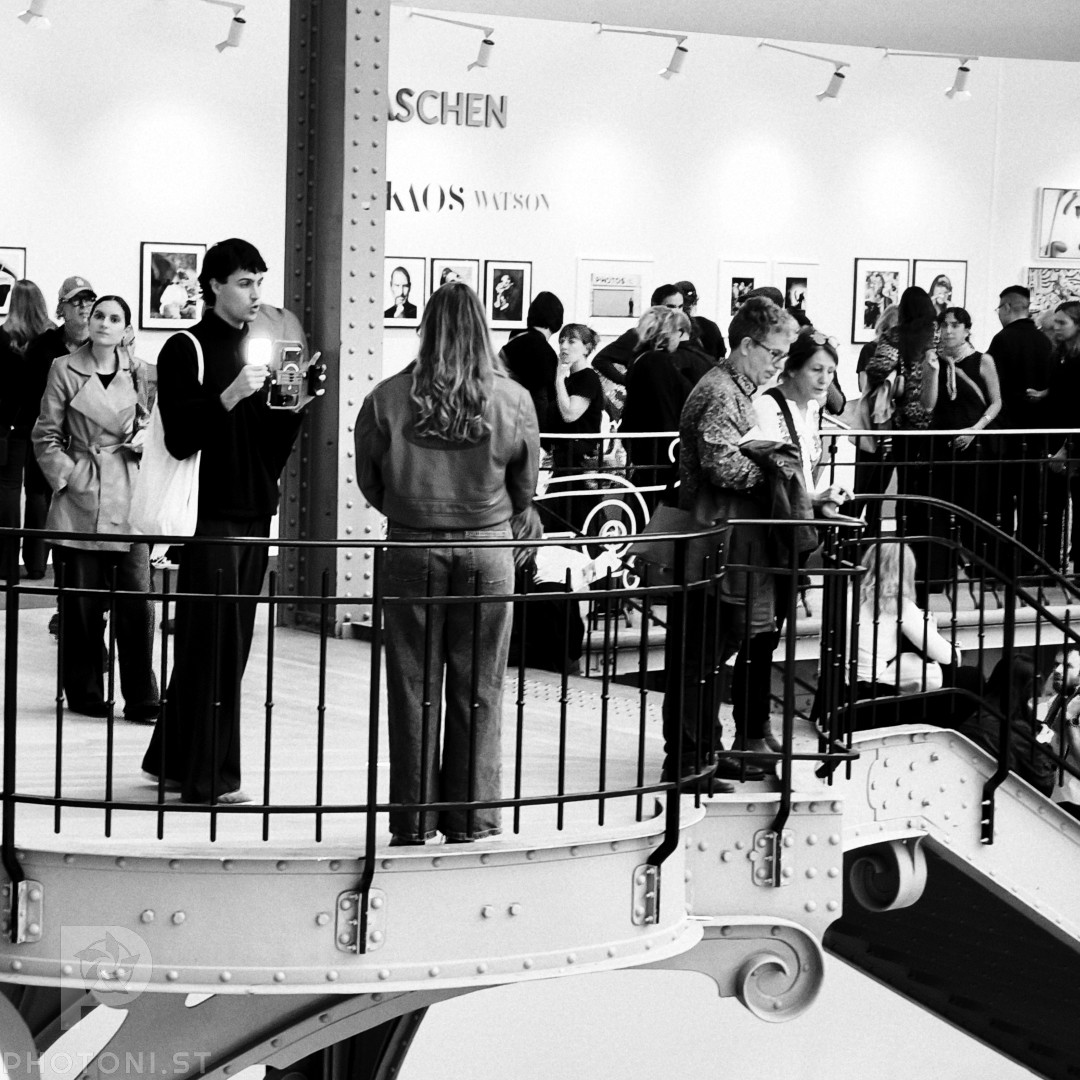
The balance is tricky. You have to be present enough to actually experience what’s happening, but conscious enough to record pieces of it. Too much photography and you’re not there, you’re just recording. Too little and you lose the ability to return to it later. I don’t have a formula for this. Some experiences I photograph heavily, others barely at all. What matters is that the photography serves the experience, not the other way around.
My wife’s favourite memory is Morocco because we were there together, fully present, with enough space to just exist without agenda. The photographs from that trip matter because they’re tied to that presence, that experience. They’re not good photos in any objective sense. They’re good evidence of a good time. That’s enough.
Photography is most important when it records your actual life. Not some aspirational version of it you post on FB or IG, not what you think your life should look like for an audience, not technically perfect images of things you don’t care about. Just your experiences, the ones you want to remember, the ones that made you feel alive while they were happening.
Everything else is just owning equipment. The gear will depreciate, the hard drive will fill up with images you never look at, and eventually you’ll realise you spent time and money on a hobby that didn’t actually connect to your life. Live photography avoids that. It puts the camera where it belongs: in your hands, pointed at what matters, recording proof that you were there and it was real.
Take photos of your life. That’s the work. That’s what photography is for.
#Photography #IMayBeWrong #theory #PhotographyTheory