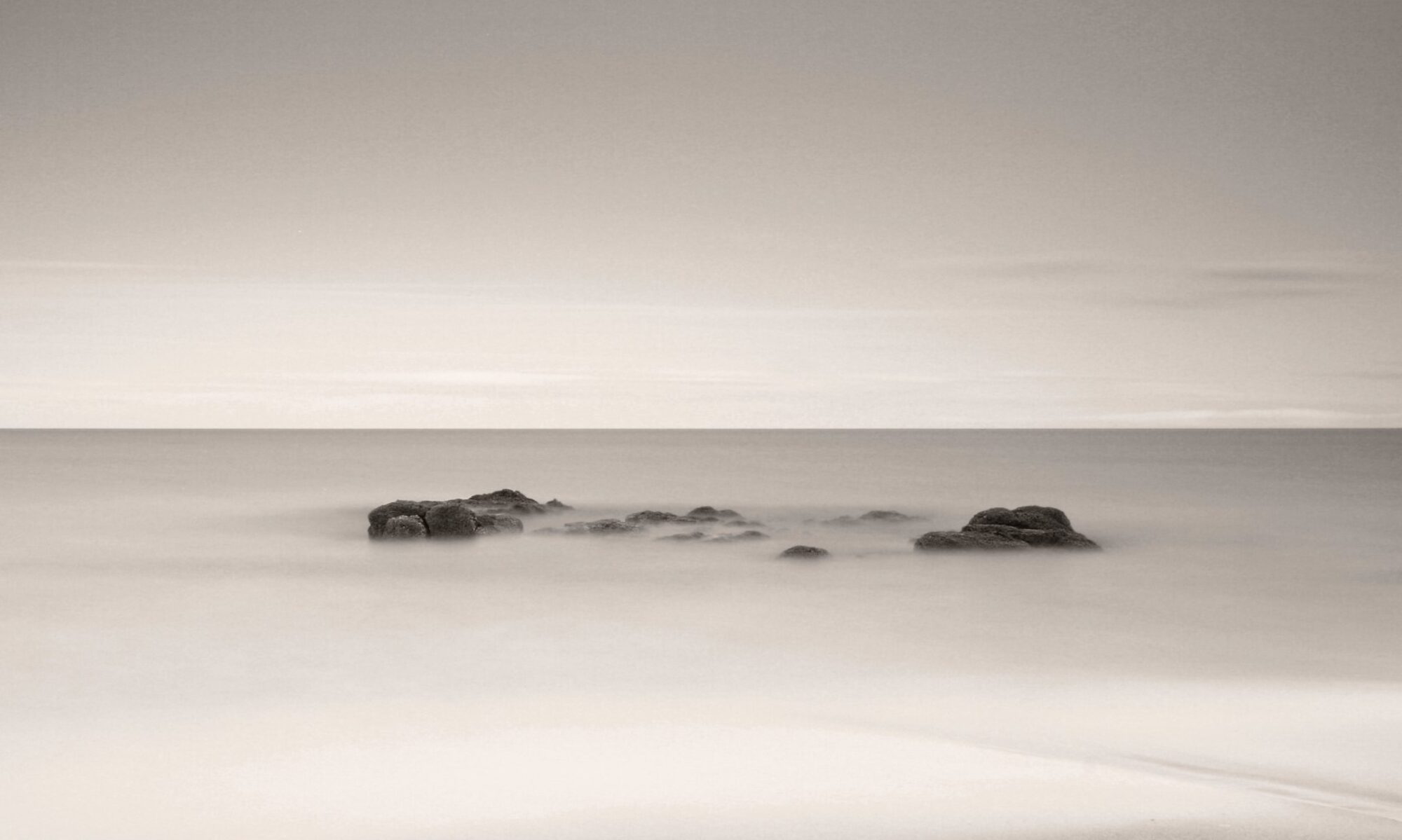

Ansel Adams talked about pre-visualisation as the foundation of his photographic method. He could see the final print before making the exposure, knowing exactly what the image would look like after development and printing. Not just approximately but precisely. The vision came first, complete and detailed, and the technical process existed to manifest that internal image in physical form.
If you can do that, if you can see the finished photograph in your mind before you press the shutter, your entire approach to photography centres on capturing that vision. You’re trying to match what you see in your head with what the camera records. The image exists first internally, then you make it real through technical execution. Vision precedes and guides craft.
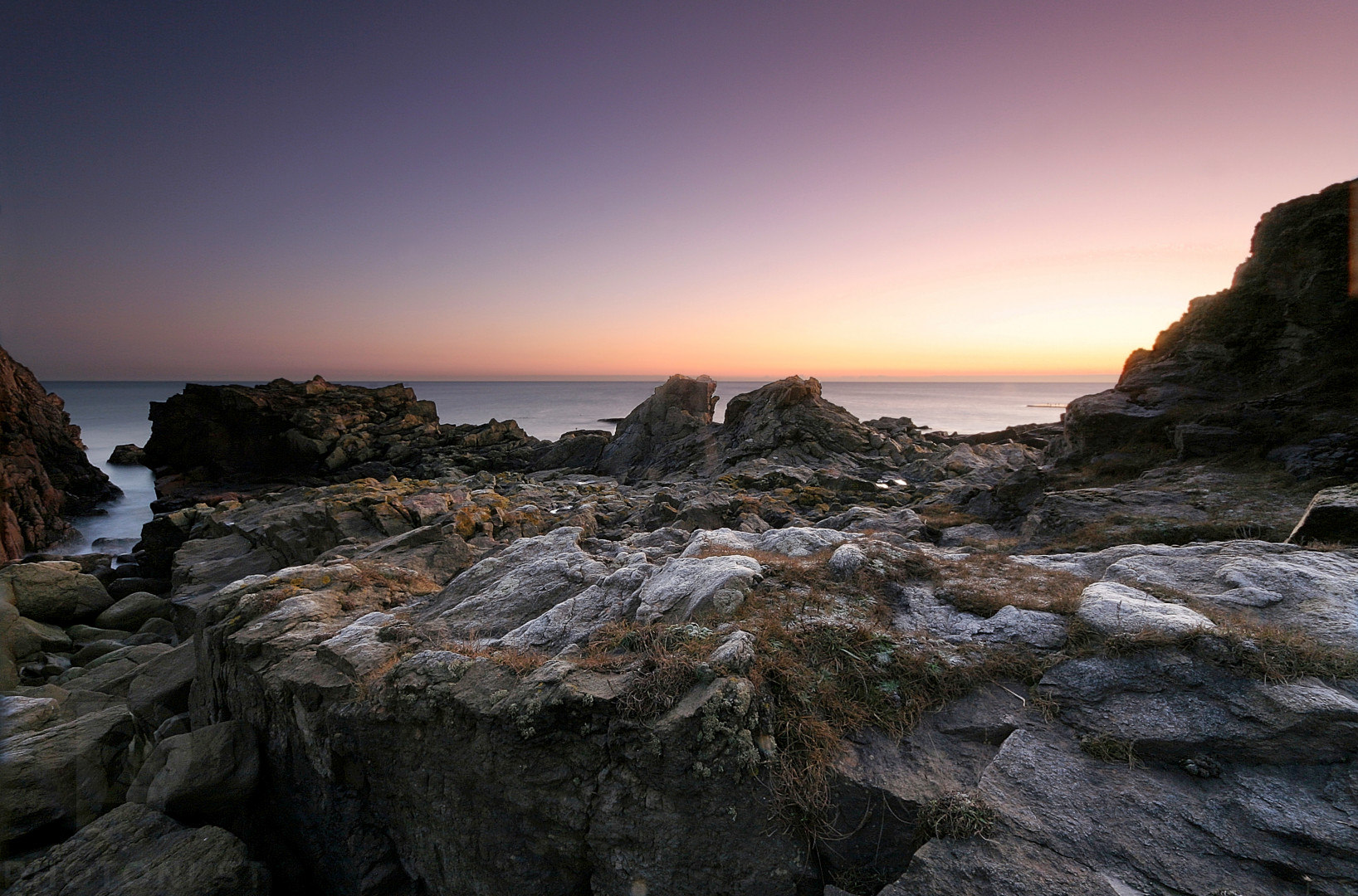
I can’t work that way because I don’t have the cognitive equipment for it. When I try to imagine a photograph, I don’t see a clear picture. I get something more like a verbal description with vague visual accompaniment. “Subject positioned left third, strong diagonal from lower right, high contrast, black and white, depth of field to have everything in focus.” It’s specifications rather than vision, a blueprint rather than a picture.
This means I build photographs instead of capturing pre-existing mental images. I’m making decisions about composition, relationships between elements, technical parameters. Assembling something from component choices rather than manifesting a unified vision. It’s more like engineering or architecture, constructing according to principles rather than chasing an internal image.
Neither approach is superior, but they’re profoundly different and incompatible in important ways. The visualiser and the engineer are solving different problems even when they’re photographing the same subject.
The visualiser works from vision to execution. They see what they want internally and the technical challenge is making reality match that vision. Their struggle is translating the perfect internal image into an imperfect external one, constrained by equipment, conditions, and the limitations of the medium. When they succeed, there’s often an uncanny precision to the work because it matches something they saw clearly before the photograph existed.
The engineer works from analysis to construction. They understand principles of composition, light, texture, visual impact, and they apply those principles to the situation in front of them. Their struggle is choosing correctly from multiple possible approaches, deciding which construction will produce the strongest result. When they succeed, there’s often a clarity of structure to the work because it was built deliberately rather than captured intuitively.
This explains why some photographers talk about “seeing” images while others talk about “making” them. It’s not just different vocabulary for the same process. It’s describing genuinely different cognitive experiences. The person who sees the image first is translating vision into reality. The person who builds from specifications is constructing reality according to principles.
The practical implications are substantial. Pre-visualisation suits certain kinds of photography better than others. If you can see the image in advance, you can plan extensively, return to locations repeatedly until conditions match your vision, make technical choices that serve the pre-existing mental image. This works brilliantly for landscape photography, studio work, architectural photography, anything where you have time and control.
It works less well for fast-moving situations where you can’t predict what will happen. Street photography, documentary work, sports, anything requiring rapid response to changing conditions. You can’t pre-visualise what you haven’t seen yet. You have to respond in the moment, which means relying on intuition or rapid analytical processing rather than matching reality to a pre-existing vision.
The analytical approach, building from principles rather than vision, handles unpredictable situations more comfortably. If you’re accustomed to constructing images through decisions rather than manifesting visions, you can make those decisions quickly as situations evolve. You’re evaluating compositional possibilities, recognising patterns, applying principles in real time. It’s still demanding but it doesn’t require pre-visualisation, which might be impossible when things are moving fast.
Where the analytical approach struggles is with unity of vision. When you’re building an image from separate decisions about composition, light, moment, and technical execution, the result can feel constructed rather than inevitable. The visualiser’s work often has a coherence that comes from the whole image existing mentally before any part of it was photographed. The engineer has to achieve that coherence through skilled assembly, which is possible but requires different abilities.
I suspect most photographers develop compensation strategies over time. I’ve been photographing long enough that even without clear pre-visualisation, I’ve internalised large amounts of visual knowledge that functions somewhat automatically. I might not see the image in advance, but I’ve built up enough pattern recognition that I know what will work even if I’m arriving at that knowledge through analysis rather than vision.
Similarly, strong visualisers probably develop analytical frameworks to supplement their intuition, especially when working in situations that don’t allow for pre-visualisation. They learn to trust rapid decisions even when they haven’t seen the result in advance. The cognitive style creates a natural working mode, but professionals develop flexibility beyond their default setting.
The difference remains meaningful, though. When I’m photographing, there’s a running verbal commentary analysing what I’m seeing, talking through compositional decisions, narrating the process. That’s my inner monologue processing the situation, building the photograph through verbal analysis that happens so fast it feels almost intuitive. But it’s not intuition in the pure sense. It’s accelerated reasoning.
A strong visualiser working in their optimal mode probably experiences something different. Less internal narration, more direct recognition of what will work visually. They might struggle to explain their decisions because those decisions didn’t happen verbally. They saw rather than reasoned, and seeing is harder to put into words.
The key is recognising which mode you naturally operate in and developing that rather than fighting it. If you visualise strongly, lean into that. Study photographers who work from vision. Develop situations where you can plan and control conditions. Chase the internal images rather than trying to be more analytical.
If you work analytically like I do, embrace that. Study composition, understand light technically, build your knowledge of visual principles. Work in situations where analytical construction serves you, where you can make rapid decisions based on pattern recognition rather than needing time to manifest a pre-existing vision.
Your cognitive style isn’t destiny, but it’s also not something to ignore or fight. It’s the fundamental architecture of how your mind engages with photography. Understanding whether you’re a visualiser or an engineer, and what that means for process and output, clarifies enormous amounts about why certain aspects of photography feel natural while others remain difficult no matter how much you practice.
The visualiser and the engineer can both make extraordinary work. They’re just making it through fundamentally different processes, using different cognitive tools, solving different problems. Recognising that difference and working with it rather than against it is what turns cognitive variation from obstacle into strength.
#Photography #IMayBeWrong #opinion #Personal #Engineers #Visualisers