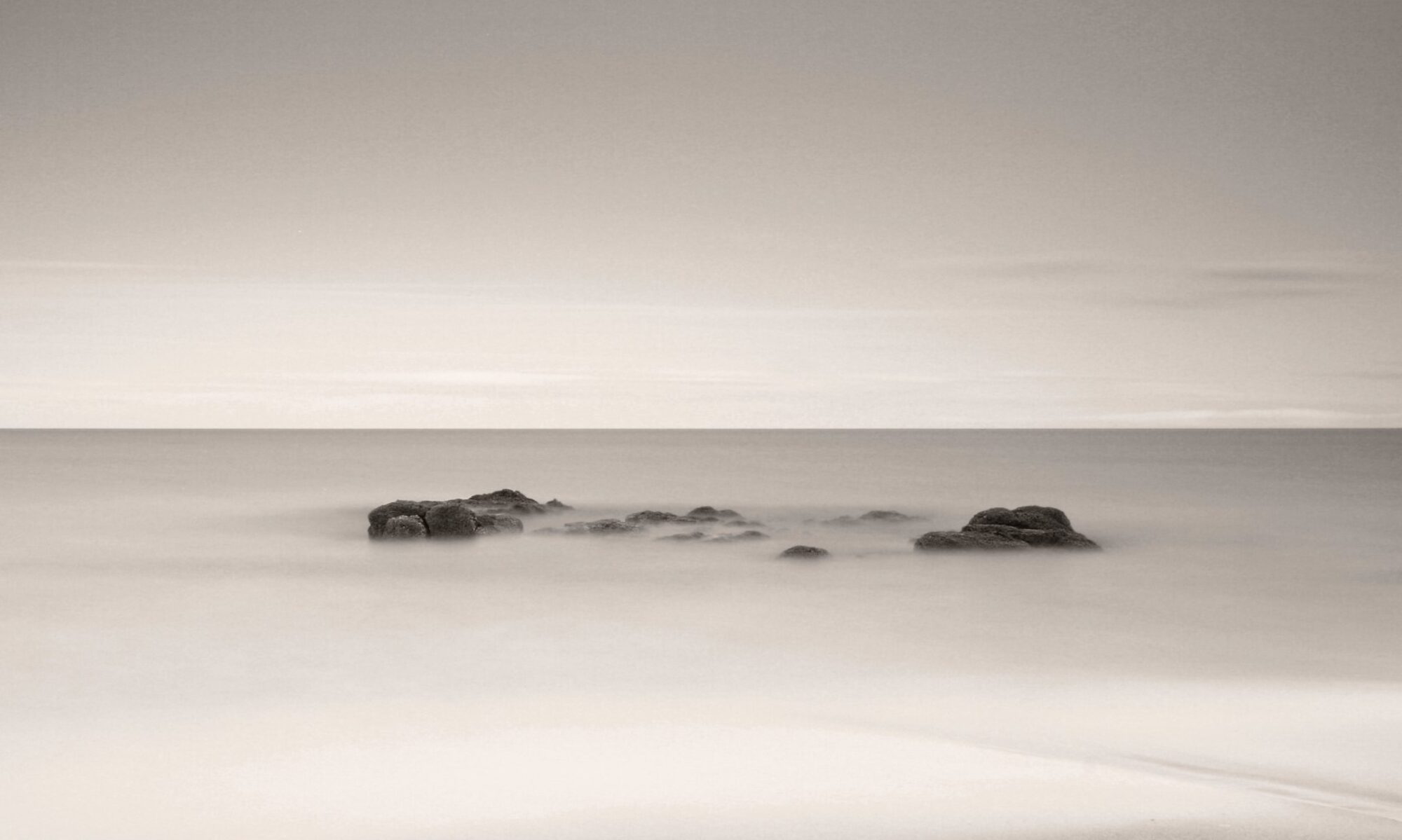

In today’s near infinite storage space, it’s easy to lose track of the photos you take. You stop seeing any of them because there are so many of them. They become wallpaper, a continuous scroll of undifferentiated moments that mean nothing precisely because they were supposed to mean everything.
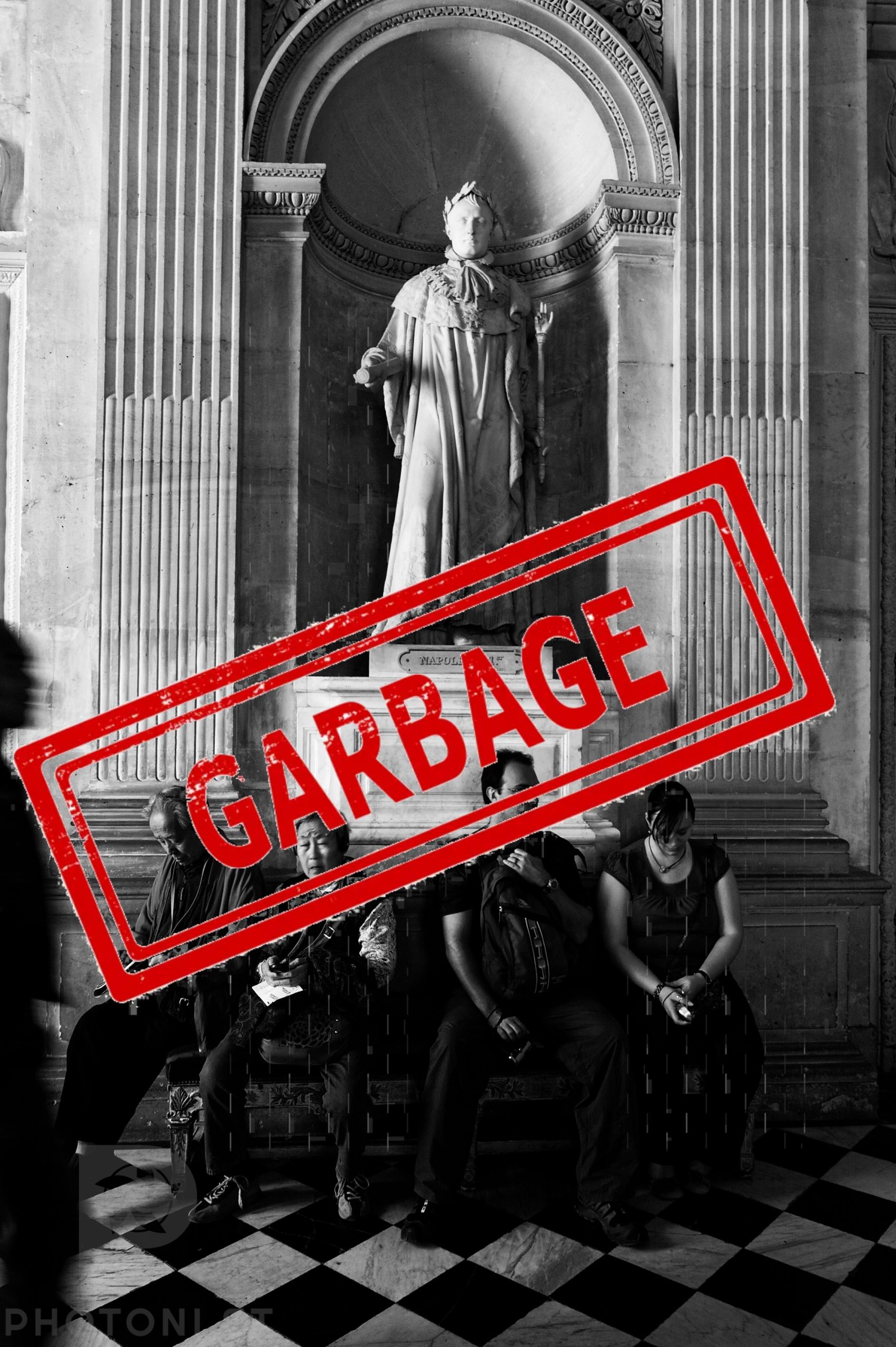
The problem with infinite photography is that it abolishes hierarchy. When you can photograph anything, at any time, with zero friction or cost, you inevitably photograph everything. Your coffee. The sunset. Your cat sleeping. A text message on someone else’s screen. The interesting graffiti. The boring meeting notes. Your aunt’s wedding and yesterday’s breakfast exist in the same visual plane, differentiated only by timestamps you’ll never check. They’re all just files in a grid, equally present, equally meaningless.
This isn’t a technology problem, though technology enables it. The issue is psychological. Value requires scarcity, or at least selectivity. When film cost money and you had thirty-six frames per roll, you thought before shooting. Not in some precious, overthought way, but you made decisions. Is this worth a frame? Will I care about this later? That friction created a filter. Some moments passed through, most didn’t. What survived had already cleared a threshold, which gave it weight.
Digital photography removed that friction entirely, and we convinced ourselves that was pure liberation. No more rationing, no more missed moments, no more artificial limits on capturing life. Photograph everything and sort it out later. Except we don’t sort it out later. We just accumulate.
I know people with photo libraries exceeding 500,000 images. They can’t find anything in there. The wedding photos are buried under screenshots and accidental pocket shots. The actually meaningful pictures, the ones that caught something real, are statistically lost. When everything’s preserved, nothing’s preserved. You’ve just created a visual landfill with occasional treasure mixed in, and you’ll never dig through enough garbage to find it.
The counterargument is that more photography means more chances to catch something extraordinary. And sure, if you shoot constantly, you’ll occasionally stumble into a good image. But you won’t recognise it. When your visual environment is an endless stream of barely-considered snaps, your ability to evaluate them atrophies. You lose the capacity to distinguish between the photo that matters and the one that’s just filling space. Everything flattens into content.
If your aunt’s wedding gets forty-seven photos, your breakfast the next day six. The wedding photos weren’t seven times more valuable, they are just seven times more numerous. The breakfast photos might actually have been better, sharper, better lit. But none of it mattered because it all disappeared into the stream.
Test this for yourself: for three months, photograph deliberately. Not constantly, just when something actually pulled your attention. Maybe ten photos a day, often fewer. At the end of each week, review them properly. Not a quick scroll, an actual review. Which ones still held something? Which ones had been worth the decision to shoot?
The difference will be immediate. With fewer images, each one carried more weight. You’ll remember taking them. You’ll be able to tell why you’d stopped for that particular shadow or face or configuration of objects. The photos won’t be better technically, they will be better because they’d survived a threshold. They represented attention, not just reflex.
Compare that to most people’s habit of shooting a hundred photos on any given day, most of them thoughtless. They can’t remember taking half of them. They documented nothing except that they were present with a phone.
Photography gains meaning through selection. Not after the fact, during. You have to decide something is worth photographing before you raise the camera, or you’re just creating noise. The phone-camera era has trained us to reverse that process. Shoot first, decide if it mattered never. We’ve externalised judgment to some future self who, it turns out, can’t be bothered either.
This doesn’t mean returning to film, though some some of us do that specifically to reintroduce friction. It means rebuilding the habits that made photography valuable in the first place. Shoot less. Delete more. Curate ruthlessly. Treat your photo library like an exhibition space, not a storage unit. If an image doesn’t justify its existence, get rid of it. Let most moments pass unrecorded. They’ll be fine.
The special occasion only becomes special if you treat it differently from the everyday. Your aunt’s wedding should be photographed with more care, more attention, more intention than your breakfast. If you shoot both the same way, with the same casual abundance, you’ve erased the distinction that made the wedding significant. You’ve democratised your attention to the point where it’s worth nothing.
Look at Document Your Life 2025: photographers have recorded images from their day. Some photos were very pleasing and well made. The majority weren’t intrinsiclally special. Many were just glances at common things in their environment. But they had intent. They took these photos thinking about it. It was months ago, they probably still remember taking these photos and might remember it for years. These photos are special because they were chosen.
I still carry a phone with a camera. I still photograph spontaneously when something demands it. But don’t photograph reflexively. Not every sunset needs recording. Not every meal, gathering, or mildly interesting urban detail requires documentation. Most moments are best experienced without a lens between you and them. The ones that do get photographed now mean something, because they’ve cleared a bar. They’re not just part of the endless scroll.
Photography became valuable because it could stop time, hold a moment, let you return to something that would otherwise vanish. But that only works if you’re selective about what you hold onto. Infinite photography doesn’t preserve everything, it devalues everything. The wedding and the breakfast both disappear into the same grey mass of undifferentiated images, and you’re left with a library full of photos you’ll never look at and moments you can’t actually remember because you were too busy recording them.
Scarcity creates meaning. Not artificial scarcity, actual thought. Shoot what matters. Ignore the rest. Let your photo library be small enough that you can see what’s in it. That’s how photography stays special.
#Photography #IMayBeWrong #Theory #Opinion #PhotographyTheory