For me, photography is a deeply solitary process. It’s not something I do in the company of others, nor in groups, and I don’t really talk about it with anyone directly. In an era of social media and oversharing, where every moment seems to be documented for likes and comments, this may seem counterintuitive. But for me, the act of taking photos is about introspection. It’s a personal experience. One that doesn’t require, and is often hindered by, external input.
I’ve learned to tune out the noise. Since I’m not a professional photographer trying to make a living off my work, I don’t have the pressure of needing to please others. Photography, for me, is a craft, a means of expressing my thoughts, emotions, and aspirations. It’s deeply tied to how I see the world, and that experience is unique to me. When I go out to shoot, I’m not thinking about what others want to see. I’m only focused on what I want to convey. This disconnect from the need for external approval is liberating. It allows my photos to reflect what I feel, rather than what others might expect or want from me.
Resisting validation in a social media-driven world is the first step.
In today’s photography world, validation often feels like the ultimate goal. With platforms such as Instagram and YouTube, photographers are bombarded with opinions, critiques, and trends. But seeking validation from others is not only unproductive, it’s also the fastest way to lose sight of your own vision. When you look for approval, especially online, you often end up conforming to the styles and trends that dominate these platforms. And in doing so, you risk losing your own voice.
Photography today is filled with rigid formulas. If you shoot street photography, you’re expected to capture narrow alleys with dramatic shadows and a solitary figure illuminated at the far end. If you’re into urban photography, the trend is to create fine art-style images with gleaming glass buildings against dark, moody skies. Night photography, especially of empty shop fronts or dimly lit streets, has also become a genre of its own, often devoid of a deeper story or soul. The problem with these formulas is that they become repetitive. They lose their individuality, and they don’t allow room for personal expression.
When I first picked up a camera in the late 90s, the world of photography was much different. The main platforms for sharing and critiquing work were forums. Unlike today’s social media landscape, these forums were often moderated, and the focus was on providing constructive feedback. They were supportive communities where people genuinely wanted to help each other improve. I remember the value of these discussions, how they helped me learn the technical side of photography: composition, lighting, exposure, and colour.
But while these forums were invaluable for learning the basics, they couldn’t teach me how to express myself through my images. That part of the journey had to be done alone. Because no one can tell you what your photos should be about. Only you can discover that for yourself.
To truly create meaningful images, you have to be your own motivation. There’s no shortcut for this, and it requires a lot of introspection. You have to take photos for yourself and go through a period where external feedback is less important than your own internal critique. I spent countless hours looking at my own photos, analysing them, and asking myself why they looked the way they did. I had to learn not just how to follow the rules, but when to break them and why. This process of self-reflection and trial and error allowed me to figure out what worked for me and what didn’t.
One of the most important lessons I learned is that photography is an evolving process. Over time, your style or voice will naturally change. It’s perfectly fine to draw inspiration from others, but ultimately, you have to move beyond imitation. When you start, it’s tempting to recreate the photos you admire. And while that’s a useful exercise, those aren’t your photos: they’re someone else’s. Your style will only emerge when you move past copying others and start creating based on your own instincts and vision.
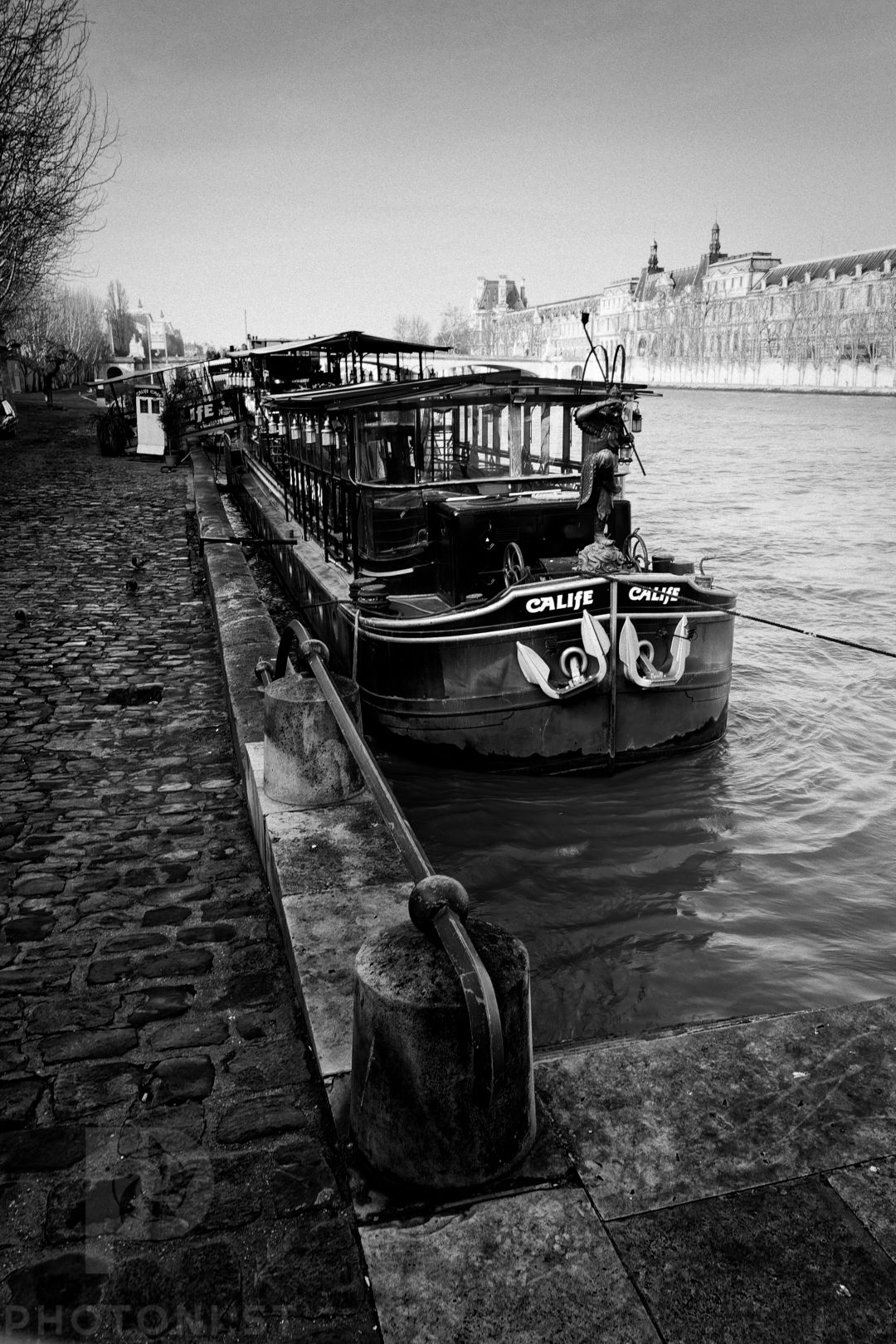
For me, this meant discovering a few things about how I see the world. I realised that I read images from foreground to background, not left to right like most people. This small realisation influenced how I compose my shots. I often place something significant in the foreground and use leading lines to guide the viewer’s eye deeper into the scene. This also led me to favour vertical compositions, even for landscapes. It’s a choice that surprises people sometimes, but it feels natural to me.
I also found that I’m drawn to high-contrast images, especially in monochrome. I love playing with light and shadow to create strong, dramatic visuals. My preference for monochrome photography wasn’t always there, though. When I first started, I was obsessed with colour. I used to wake up early to catch the perfect sunrise and used polarising filters to saturate the colours in my images. But over time, I found these images overwhelming. The colours distracted from the emotions I wanted to capture. Now, I prefer monochrome because it strips the image down to its essence: shape, light, and mood. And I haven’t used a filter in years.
Another personal choice is my love for film grain. In an age where everyone is obsessed with sharpness and clarity, adding grain might seem counterproductive, even affected. But to me, super clean digital images often feel too sterile, too removed from the organic nature of the world. Adding a bit of grain brings texture and character to my photos. It makes them feel more real, more tangible.
Finding your style doesn’t freeze you and your craft, though. One of the greatest lessons I’ve learned over the years is that your style will continue to change. The way you see the world today won’t be the same tomorrow, and that’s OK. When I first started, my focus was entirely on colour. I wanted my photos to burst with vibrancy. But now, I find solace in simplicity. My shift to monochrome reflects not just a change in aesthetic preference, but also a deeper shift in how I view the world. And this evolution is important: it’s a sign of growth.
In the end, photography is a deeply personal journey. It’s about finding your voice, embracing your style, and allowing yourself to evolve. It’s not about fitting into trends or seeking validation. For me, it’s about being alone with my camera, looking through the lens, and seeing the world as only I can. The solitude of photography allows me to connect with my internal world in a way that nothing else does. And that’s something no amount of external feedback could ever replace.
The beauty of photography lies in its ability to reflect the photographer’s unique perspective. My photos are not better than anybody else’s. I’m not pretending to be a great photographer. Most of my photos will never be noticed. If photos don’t resonate with others, that’s perfectly fine. Because in the end photography is not about pleasing the masses. It’s about staying true to yourself.
#Photography #Theory #Opinion #IMayBeWrong #PhotographyTheory
[…] can understand what she means about solitude. To me, photography is also a act of isolation, a way to deal with the world in your own. I spent countless winter mornings at the beach in […]