
Out of cycle post. This is something I’ve been noticing and I’ve been trying to articulate for a while. I’m not sure it’s completely clear in my head yet, but here goes nothing.
When I started writing on Substack, I was already moving away from pretty pictures. I’d been getting interested in people more than landscapes, in human presence more than nice light falling across empty scenery. But I hadn’t yet articulated why that shift was happening or where it might lead.
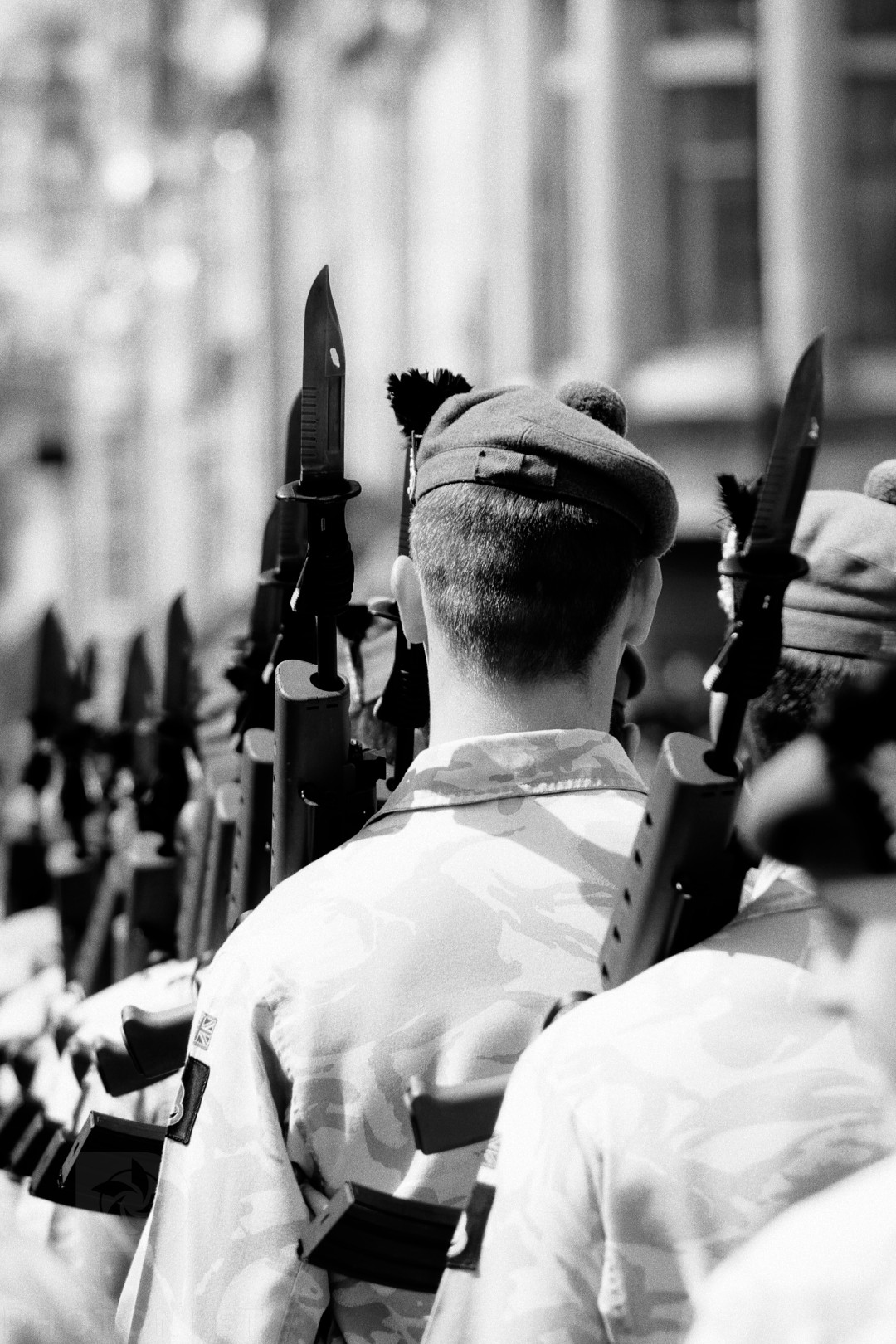
The more time I spend here, reading other photographers’ thinking and forcing myself to explain my own positions in words, the more my stance hardens toward meaning. Beauty has stopped being enough. In fact, prettiness is starting to feel like an evasion, a way of avoiding harder questions about what photography can actually do.
This isn’t a rejection of craft or visual pleasure. I still notice good light. Composition still matters to me. But these things have become tools in service of something else rather than goals in themselves. When the primary aim is making something beautiful, you’re constrained by what beauty allows. You avoid ugliness, discomfort, complexity, anything that might disturb the pleasant surface. That limitation starts to feel dishonest once you’re paying attention to what the world actually contains.
People are more interesting than landscapes precisely because they’re messy, unpredictable, morally complicated. A beautiful landscape photograph can be striking, but it rarely tells you much beyond “this place looked impressive under these conditions.” A photograph of a person, even an unflattering one, especially an unflattering one, can reveal something about how humans actually exist in the world. My shift toward photographing people wasn’t just subject matter changing. It was the beginning of caring more about what the photograph says than how it looks.
Writing accelerates this process because it forces articulation. Vague intuitions have to become concrete arguments. You discover what you actually believe by trying to defend it in clear sentences. Reading other photographers doing the same thing creates useful pressure. When you see people thinking rigorously about meaning, about what photography can communicate beyond surface appeal, your own standards shift in response. The bar raises itself.
I’ve started understanding the PROVOKE movement in ways I couldn’t before. For years I’d seen those images, grainy and blurred and aggressively high contrast, and appreciated them aesthetically without grasping what they were actually doing. Now the strategy becomes clear. They rejected technical perfection and conventional beauty deliberately, not because they couldn’t achieve those things but because achieving them would have undermined their purpose.
If you want to show how the world works rather than how it looks, you need to break the habits of pretty picture making. Clarity and sharpness and pleasing composition all pull toward making things look better than they are. They create distance, allow appreciation of craft to substitute for engagement with subject. The PROVOKE photographers understood that ugliness, grain, blur, and harsh contrast create visual discomfort that matches the actual discomfort of what they were photographing.
Tokyo in the late 1960s was chaotic, politically charged, socially fractured. Making beautiful photographs of that situation would have been a lie, or at least a comfortable evasion. The aesthetic they developed matched the subject. Their photographs feel urgent, immediate, unstable. They don’t let you retreat into appreciating technique or composition. They force you to engage with what’s being shown, and what’s being shown isn’t pleasant or reassuring.
I also blame people like Bil Brown, among a few others, for having opened my eyes one step further. His hardcore belief in the meaning of photography protest showed me what photography could be. Others, such as Letizia Battaglia, convinced me of the impact of photography when it tries hard to be a witness instead of beautiful.
This is where meaning diverges from prettiness. Meaning often requires discomfort. When you’re photographing something difficult, pain or poverty or political conflict or social breakdown, making it beautiful dilutes the message. Aestheticising suffering turns it into spectacle. The viewer can admire the image without confronting what it depicts. Beauty becomes anaesthetic in the literal sense, something that numbs feeling rather than intensifies it.
Photography that prioritises meaning has to be willing to look ugly when ugliness serves the purpose. It has to risk appearing bad in conventional terms because conventional aesthetics carry conventional assumptions about what matters and how the world should appear. Breaking those conventions is how you make people see differently, how you prevent them from sliding into comfortable appreciation and missing the point entirely.
My position keeps hardening because once you’ve understood this, you can’t unknow it. Pretty pictures start to feel insufficient, even evasive. They’re not wrong exactly, but they’re not doing the work I now want photography to do. They show the world as a place of visual interest rather than as a place where things mean something, where power operates, where people struggle and survive and fail.
Showing how the world works means getting at mechanisms, relationships, systems, groups. A landscape photograph shows scenery. A photograph that reveals how land gets used, who controls it, what gets extracted from it, who benefits and who suffers, that shows how the world works. A portrait can be beautiful, but a photograph that shows how someone carries themselves under specific social pressures, how they’ve been shaped by circumstances beyond their control, that’s meaning made visible.
The change isn’t complete rejection of beauty. Sometimes beauty serves meaning. Sometimes the thing you’re trying to communicate requires visual pleasure to deliver it effectively. But beauty becomes a tool among others rather than the primary goal. You use it when it’s useful and abandon it when it’s not, and that calculation happens in service of what you’re trying to say rather than what will look good on a wall.
What happens practically is that my tolerance for rough work increases. Images I would have rejected a year ago for being too grainy, too dark, compositionally awkward, I now keep because they say something that matters more than looking good. My editing criteria have changed completely. Instead of asking “is this beautiful?” I ask “does this communicate what I’m trying to say?” Those questions produce completely different selections from the same body of work.
That doesn’t mean that my photographs have changed a lot lately. It’s more wishful thinking at the moment. It’s something I need to do, more than something I already do. I still take photos looking at composition, texture, and colours (if I shoot colour). I still share random photos on Substack once in a while (they’re more snaps than anything if I’m being honest). But I feel the pull away from that sort of photography.
The risk in this trajectory is becoming precious about difficulty, making ugly work just to signal seriousness. There’s a version of this change where you reject beauty reflexively, where anything accessible becomes suspect and you’re just performing a pose of uncompromising artistic integrity. That’s as limiting as only making pretty pictures, just in a different direction.
The goal isn’t ugliness for its own sake. It’s honesty about what serves the meaning you’re pursuing. PROVOKE worked because their aesthetic matched their intent perfectly. If they’d been photographing something else, something that required different treatment, the same approach would have failed. The lesson isn’t to copy their style but to be as rigorous as they were about matching form to purpose, even when that means abandoning what looks good in favour of what communicates effectively.
My position will probably keep hardening as long as I’m thinking seriously about this. Once you start prioritising meaning, it’s difficult to settle for less. Pretty pictures feel like coasting, like avoiding the harder questions about what photography can do beyond please the eye. That doesn’t mean I’ll never make beautiful images again. It means beauty becomes something that happens in service of meaning rather than as an end in itself, and that’s a fundamental reordering of priorities.
The trajectory makes sense to me now. I’m not rejecting where I started but building on it, using the foundation of technical competence and visual awareness to pursue something more difficult and more interesting. The standards keep rising because understanding keeps deepening. Every conversation, every essay read or written, every photograph examined honestly rather than appreciated automatically, pushes the line further.
I find myself looking at photography differently now. Images that would have impressed me a couple of years ago for their technical excellence or compositional grace now feel hollow if they’re not saying anything. Work that’s rough and imperfect but deeply engaged with its subject commands more respect than polished emptiness. The transformation is one way only. Once you’ve seen that photography can do more than look good, settling for surface pleasure feels like waste.
This is what serious practice looks like, I think. The standards keep rising not because you’re trying to be difficult but because you keep understanding more about what’s possible. Pretty pictures were never the destination. They were just the accessible entry point, the thing photography does obviously well enough to draw you in. The real work begins when you start asking what else photography can do, what it can reveal about how the world operates and what that operation means for the people living inside it.
The hardening line feels right. It feels like progress toward something I couldn’t have articulated when I started but can now see clearly enough to pursue deliberately. Meaning isn’t pretty, and photography that takes meaning seriously can’t afford to prioritise prettiness over truth. That’s the position I’ve arrived at, and I suspect it will only get firmer from here. I feel like I’m becoming.
#Photography #Opinion #IMayBeWrong #PhotographyTheory
[…] then it struck me: how would I convey that feeling? I talked recently about my growing need to move away from pretty pictures. The fact that meaning is becoming way more important in my photography direction than producing […]