
When I was a kid, I read all the Foundation extended universe books. One per day, I was obsessed. Not just because of the story but because the first book hit me hard: individuals don’t matter.
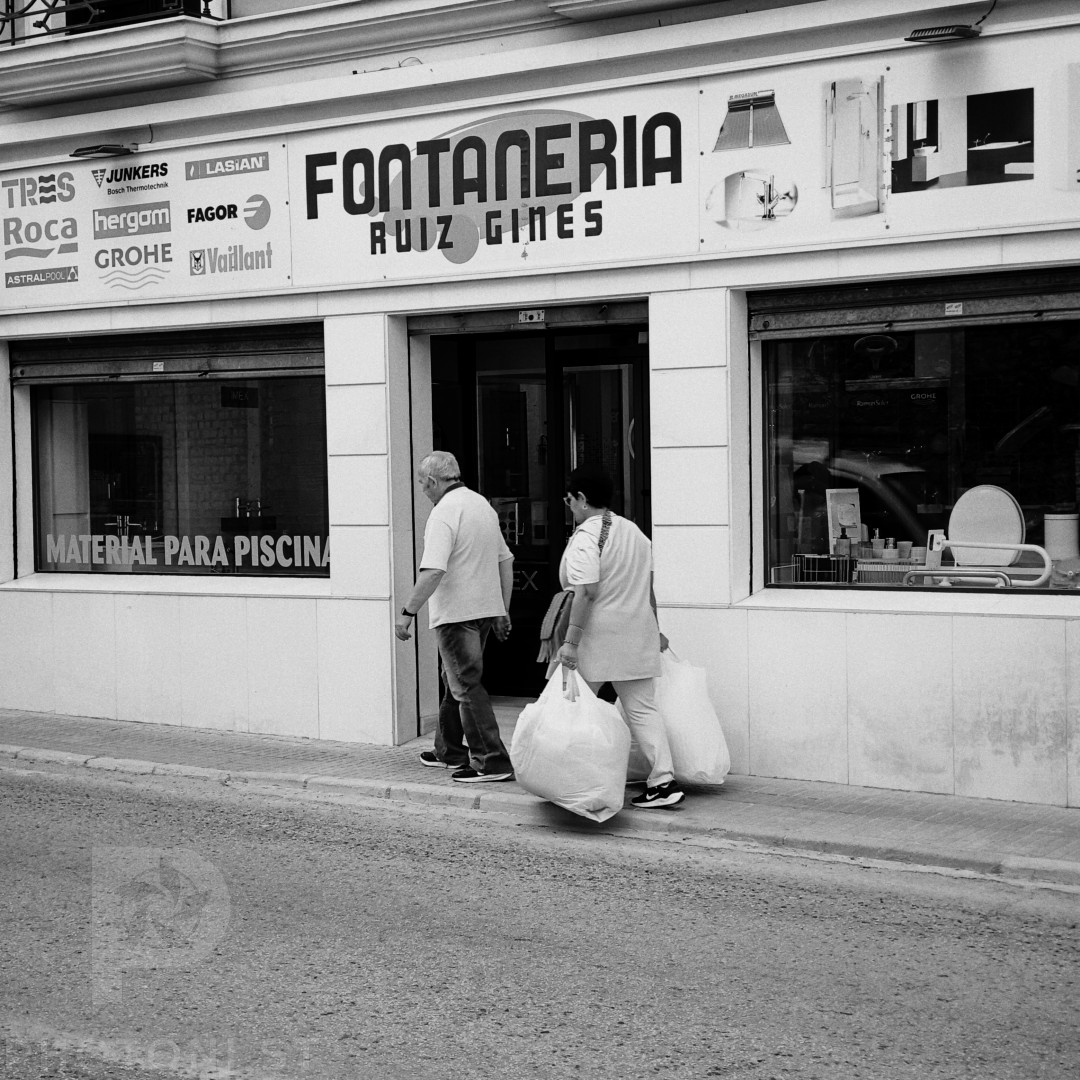
In psychohistory, individuals are not accounted for. Only large groups have significance. Hari Seldon makes long-term predictions by modelling those groups, and the predictions hold because individual variation cancels out across populations. One person’s choice is chaos. A billion people’s choices are statistics.
That’s also true for history in general. Only a few individuals have driven it. The rest, the other 99.99999%, were cannon fodder. Nobody remembers them. The grand narratives roll on regardless, powered by forces too large for any single life to have any influence.
This got reinforced years later when I built my genealogy tree. I discovered entire branches of my ancestors nobody in my living family had heard of, or that my grandparents had vaguely heard of but weren’t too sure what exactly the story was. Nothing more than family lore.
I traced 10 full generations of my direct ancestors (4,096 individuals). I made a 942 pages book at of it. Most left nothing but a name and two dates. Sometimes even their name wasn’t clear because nobody could write apart from the priests who transcribed them based on what they heard. Some left less, the records burned or never kept (priests at the time were pretty lax). These were real people with interior lives as complex as mine, and all of it is gone.
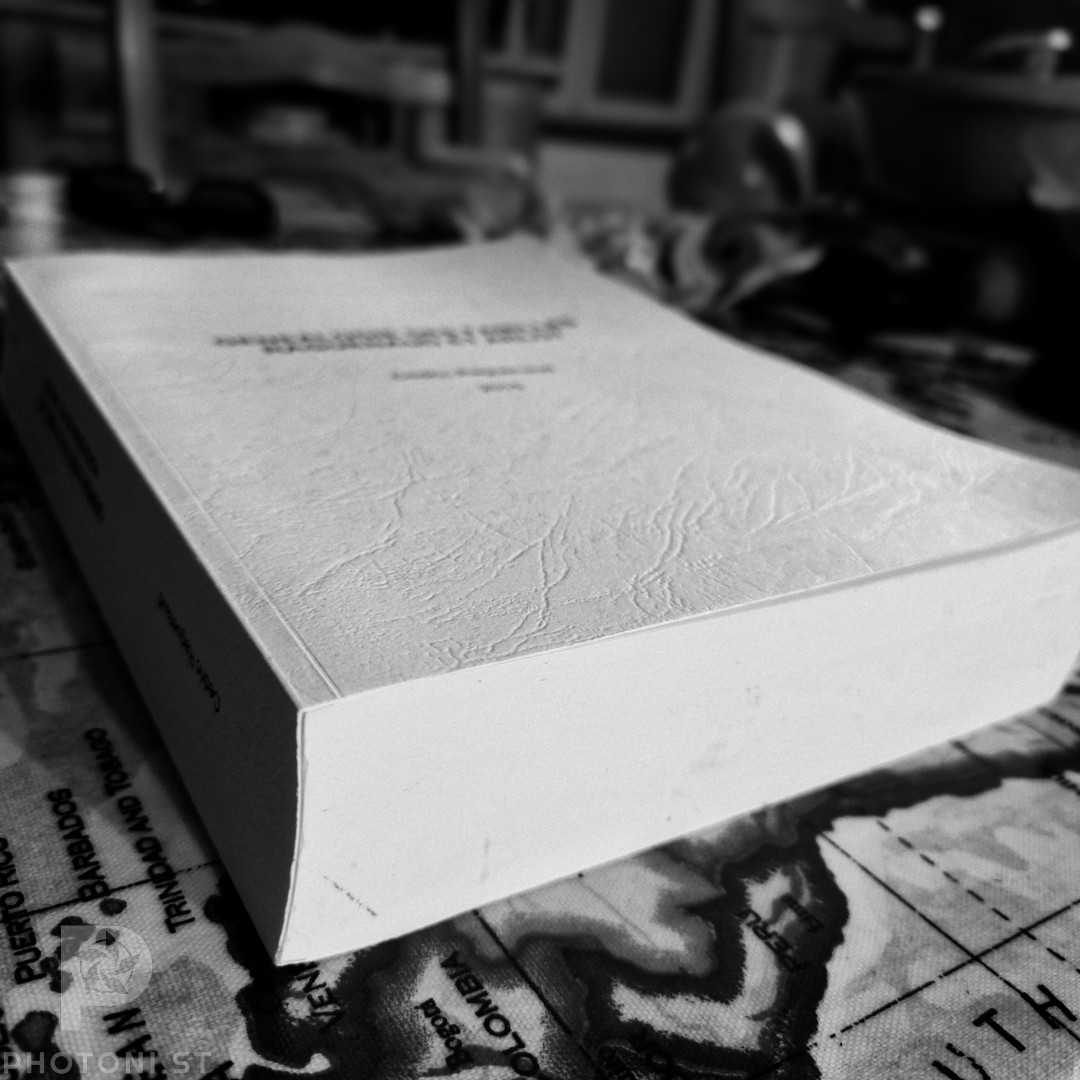
Those forgotten ancestors made me angry on their behalf. They deserved better than footnote status.
Asimov’s psychohistory works because individuals are fungible at scale. Let’s face it, that’s probably true. It’s also unbearable, because from the inside, you’re not fungible. You’re singular, irreplaceable, the centre of your own universe.
Photography makes sense to me in this context. What I want to document are the insignificant individuals. Not the people who’ll make it into future history books. The statistical majority whose lives won’t matter in the grand scheme of things, but who are living those lives right now with full intensity.
Photography can’t fix history, but it can document the present. The woman carrying shopping bags. The man waiting for a bus. The teenager on their phone. Each one contains entire worlds. Stories nobody will record, thoughts nobody will preserve, experiences that will vanish completely when they die.
These people are statistically insignificant and will be forgotten. But right now, they matter. They’re here. Photographing them doesn’t change their eventual erasure, but it acknowledges their current existence.
My genealogy research showed me the Catholic grandmother baptising her grandchildren in secret, invisible to official history beyond secret church records. My ancestor teaching his daughters literacy, invisible to records that only cared about sons. The girls with unnamed fathers, invisible by design. But they existed. They made choices under constraint. Someone wrote something down, and now I know fragments of their stories.
Photography is inadequate, partial, but something. Evidence that these people were here, moving through the world, living lives that won’t be remembered but were nonetheless real.
In the long run, my photos will be lost or stored on obsolete media nobody can read. Psychohistory will win. But in the meantime, between now and erasure, I can try to document that they existed. Show that the statistical noise had a body and thoughts. The people who, like my ancestors, will leave no trace except what someone deliberately records.
Asimov showed me a universe where individuals are understood as mathematically irrelevant. Where the patterns matter and the people don’t. He was probably right. I want to photograph people anyway and maybe, just maybe, one or two will persist as images.
#Photography #PsychoHistory #IMayBeWrong #Theory #PhotographyTheory