It’s easy to fall into the comfortable position of not taking photos, even if you want to. Taking photographs requires switching into the right frame of mind, if you’re into landscapes or street photography it requires you to go out, sometimes travelling, and then there’s processing whether you take digital or film. It’s just easier to watch TV or doom scroll.
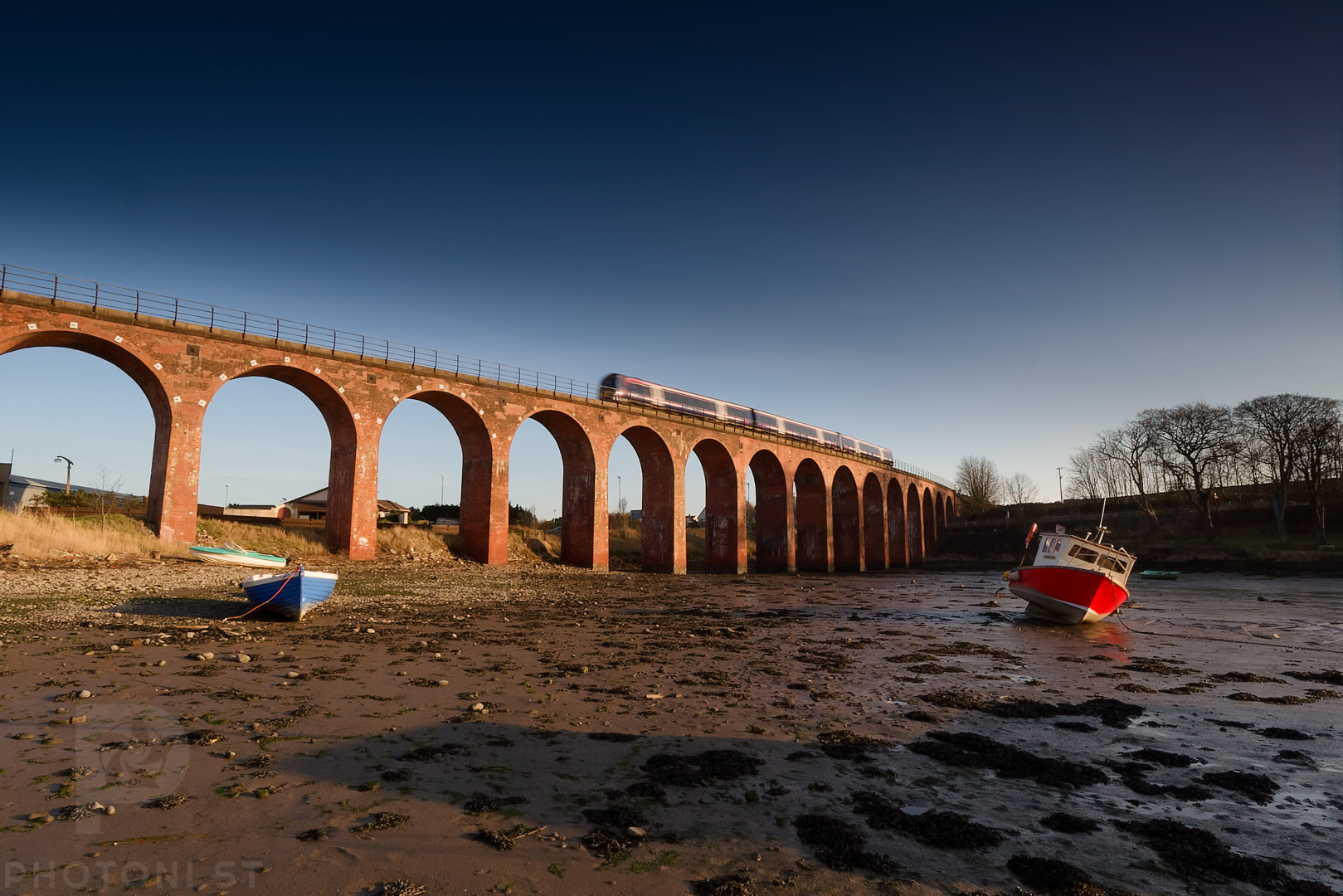
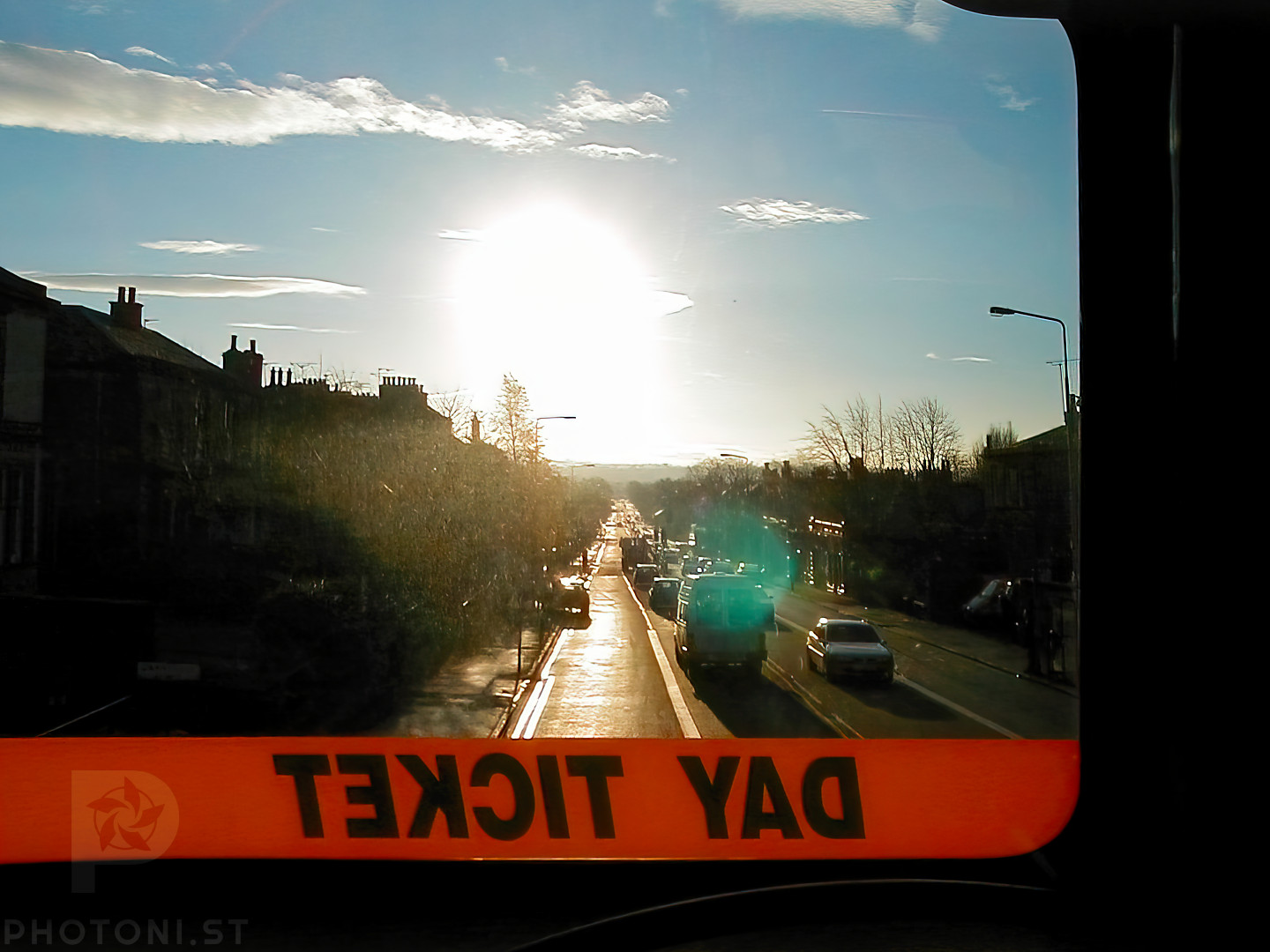
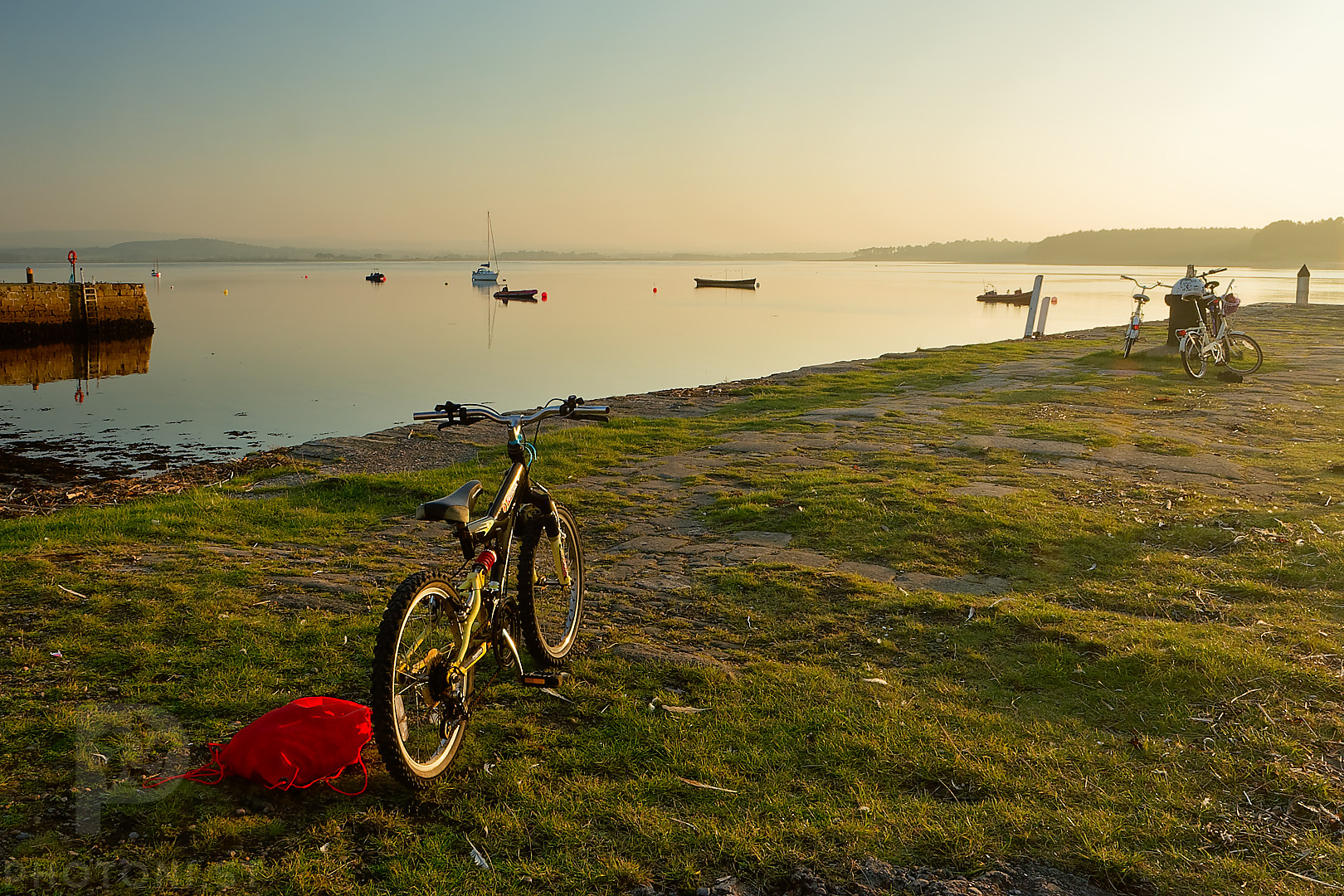
I took this photo in February 2006 in Montrose bay. It was a nice but freezing cold day that in Scotland results in very nice blue skies and intense warm colours due to the low sun.
Generative AI has had a massive impact on photography in the last couple of years. The moment Midjourney could conjure a flawless sunset over the Maldives without anyone leaving their bedroom, the game changed irrevocably. Why trudge through tourist hordes at Santorini when an algorithm can deliver that golden hour shot with perfect composition, no cruise ships cluttering the frame, and lighting that would make Ansel Adams weep? AI doesn’t deal with weather delays, equipment failures, or that inevitable moment when someone’s selfie stick ruins your carefully planned shot.
Sometimes, photos don’t need to be complicated. You’re on your way somewhere, and you’re struck by a sight that appeals to you. You might not be able to explain why. It just looks pleasant.
I argued a few weeks ago how serious image-making is similar in many ways to scientific research: photographers, like scientists, must master specialised terminology, analyse minute technical details, and engage in lengthy theoretical discussions to truly understand their craft.
I touched on the opposite argument when mentioning how images are consumed on IG and other social media platforms. But there is a larger argument to be had here: photography shouldn’t require a PhD to be appreciated.
As I mentioned when I started this newsletter, I use writing to argue with myself. And in the case of this discussion, I wasn’t entirely finished. But having the whole argument in a single post would have made it way too long and too complicated. This is essentially part 2 of the argument.
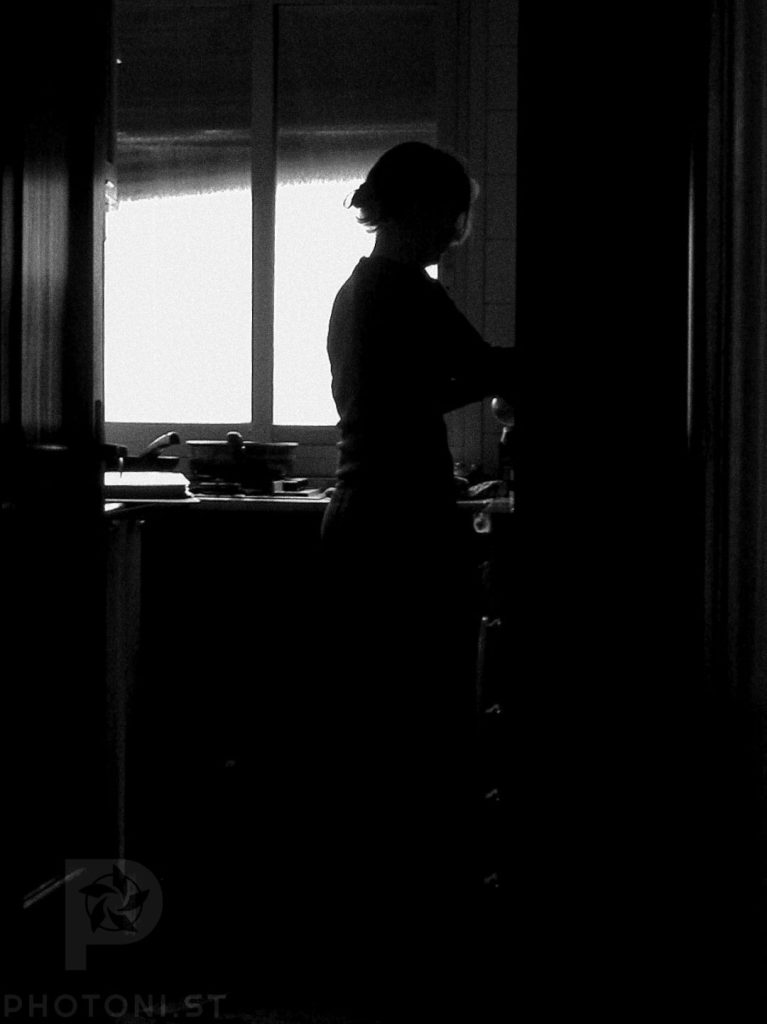
Your kitchen counter at 7 AM. Someone’s unmade bed caught in afternoon light. A stranger’s mug collection on open shelving. These images shouldn’t matter. They’re compositionally unremarkable, technically forgettable, and utterly ordinary.
If we really only cared about excellence, these should end up in the bin. Yet to me they’re among the most compelling photographs.
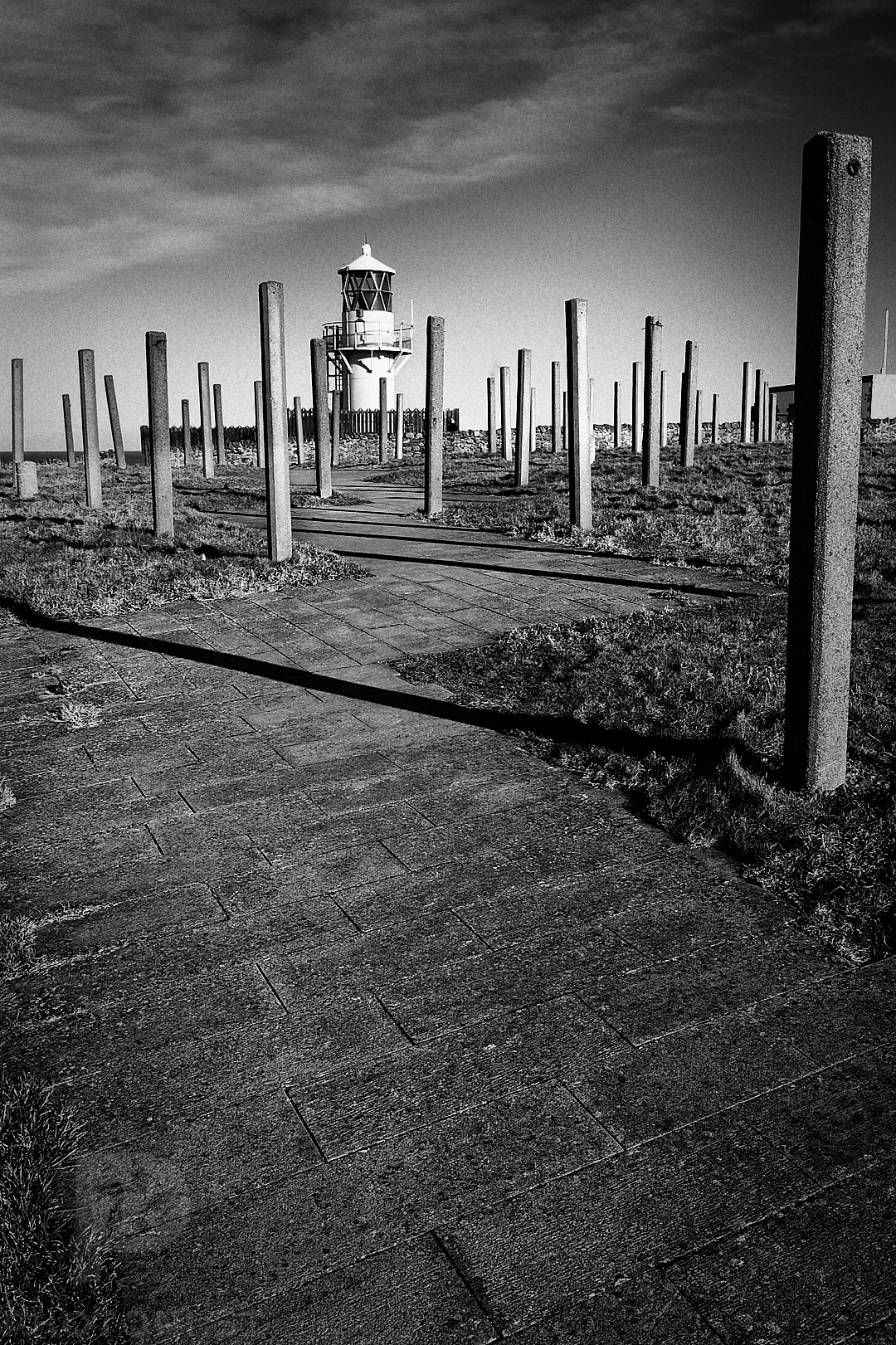
I’ve taken a lot of lighthouses in my years because I find their idea insane: build a structure in the most inhospitable places, put a few guards in it, and make them keep the light on. It’s crazy.
This insanity made me go round a lot of the Scottish East coast lighthouses to photograph them.
I’ve noticed something about the photography advice floating around online. Everyone talks about finding your “style” or upgrading your gear, but nobody mentions the one thing that actually separates competent photographers from exceptional ones: obsession.