
Your kitchen counter at 7 AM. Someone’s unmade bed caught in afternoon light. A stranger’s mug collection on open shelving. These images shouldn’t matter. They’re compositionally unremarkable, technically forgettable, and utterly ordinary.
If we really only cared about excellence, these should end up in the bin. Yet to me they’re among the most compelling photographs.
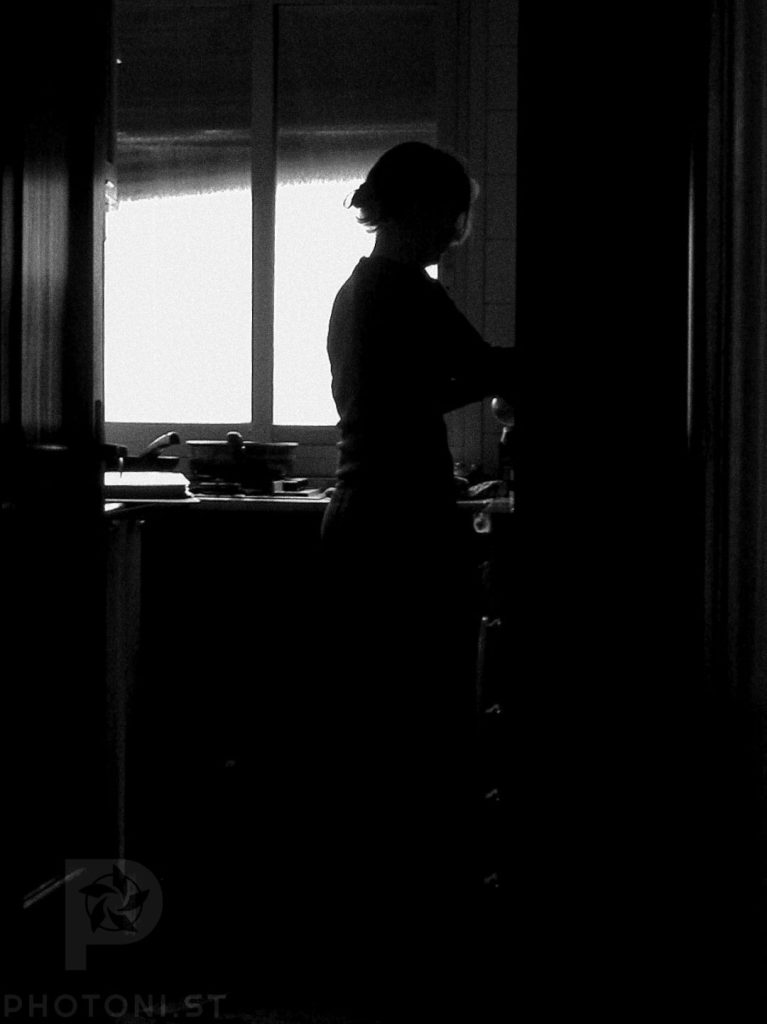
While IG feeds overflow with curated sunsets and perfectly plated brunches, photography of the real happens in the spaces between performance. That photo of someone’s grandmother’s teacup on a scratched wooden table tells you more about human experience than a thousand golden hour landscapes.
This isn’t about voyeurism. It’s about accessing the unguarded moment when people exist rather than perform. When you photograph someone’s kitchen sink full of dishes, you’re documenting their actual Tuesday, not their highlight reel designed to make them look good to their audience. You’re seeing what they think is worth preserving when nobody else is watching.
The vulnerability here is real and mutual. The photographer admits these mundane moments matter enough to capture. The subject allows their unfiltered reality to be seen. Both parties acknowledge that the ordinary is worth recording.
Part of the fascination comes from the fact that our brains are wired to love repetition and the familiar. That photo of a bedside table cluttered with books, reading glasses, and a half-empty water glass triggers something primal in our pattern-recognition systems. We don’t just see their bedside table; we see our own, our mother’s, our future self’s.
This recognition creates a form of empathy. When we view someone’s lived-in space, we project our own experiences onto their objects. Their coffee-stained notebook becomes our coffee-stained notebook. Their unmade bed becomes every unmade bed we’ve ever crawled out of on a difficult morning.
The mundane photograph functions as a mirror that reflects not just the subject’s reality, but our own relationship with that reality.
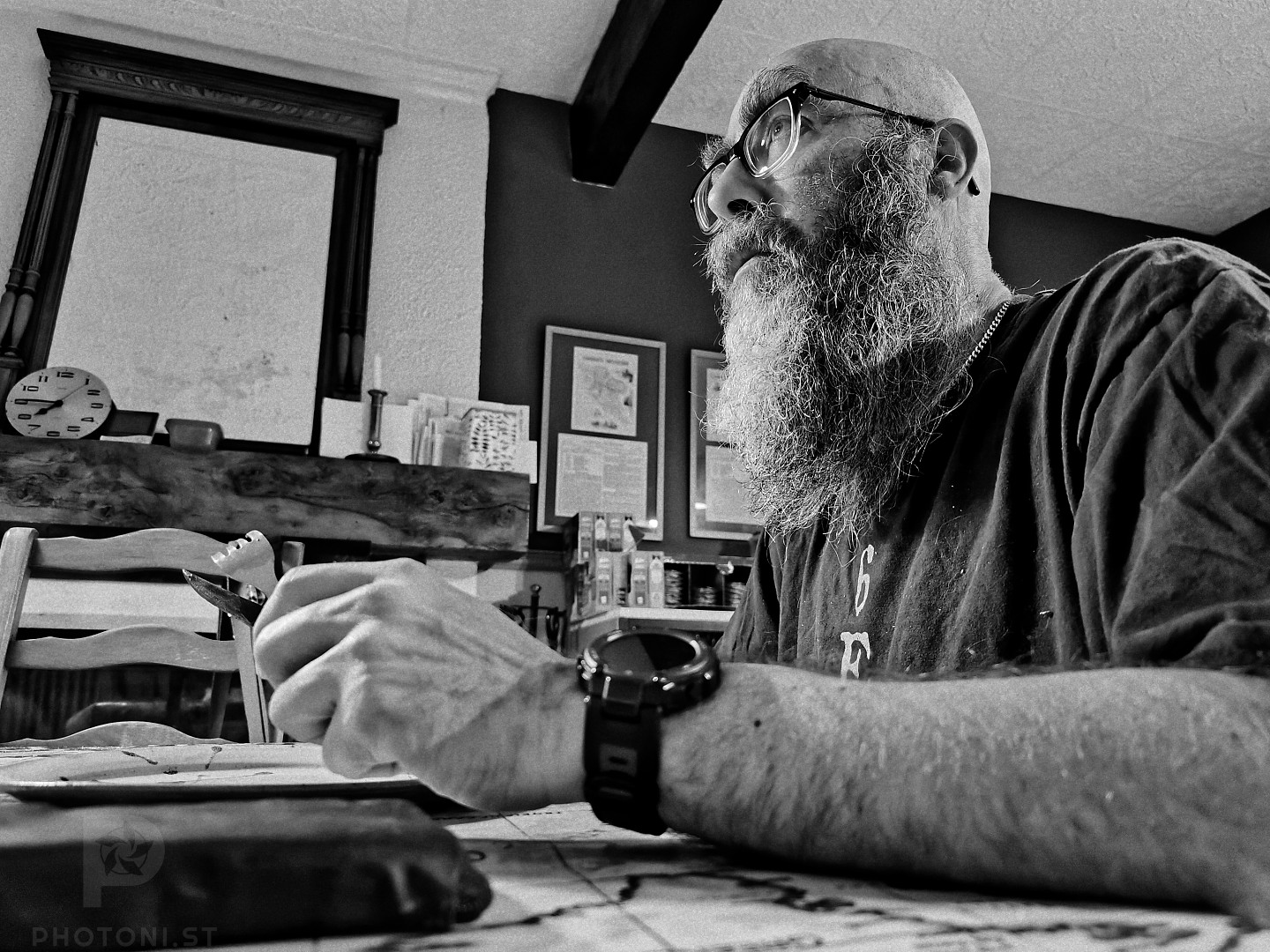
Traditional photography education teaches us to hunt for the extraordinary: dramatic light, compelling compositions, decisive moments. But extraordinary moments are, by definition, rare and often artificial. They require setup, timing, luck.
Mundane photography requires something different: the ability to recognise significance in the insignificant. It demands we develop taste for the overlooked and skill in rendering the unremarkable as essential.
This shift has implications beyond photography. In a culture obsessed with optimisation and presentation, where everything has to be extraordinary and flashy to have a change of being noticed, the mundane image serves as quiet resistance. It suggests that unoptimised life, imperfect spaces, and unguarded moments have value worth documenting.
Like them or hate them, the proliferation of smartphone cameras didn’t just democratise photography. It fundamentally altered what gets photographed. When cameras became invisible and ubiquitous, the barrier between living and documenting dissolved.
This technological shift enabled something previously impossible: mass documentation of the undramatic. Before, cameras were events. Now they’re extensions of memory, capturing not just special occasions but the texture of daily existence.
The result is an archive of human normalcy that previous generations couldn’t create (assuming it survives time). Future historians won’t just have formal portraits and significant events; they’ll have evidence of how people actually lived in their private spaces.
These photographs work because they reveal the gap between our public personas and private realities. They show us that everyone, regardless of their curated exterior, lives surrounded by the same basic elements: dishes that need washing, books left half-read, furniture that’s seen better days.
There’s comfort in this realisation. The pristine lifestyle imagery that dominates visual culture creates impossible standards and artificial distance between people. Mundane photography closes that distance, suggesting that behind every polished facade is someone dealing with the same quotidian challenges we all face.
I think it was Lucy Lumen I heard say that more and more of the work she’s commissioned to do professionally requires a kind of real life look. Some clients go as far as requesting the “iphone 5 look” because people no longer want to see perfection, especially in the age of AI-generated imagery. They want to see real life, humans, their own life reflected.
Making these photos is anthropological. We’re studying how humans actually live, not how they pretend to live. And I love looking at them, even though I just don’t have the mindset to take them myself.
In choosing to find beauty in the unremarkable, mundane photography makes a subtle but powerful argument: that ordinary life is worthy of attention, preservation, and celebration. It’s a democratic approach to image-making that elevates the overlooked and validates the universal human experience of simply existing in space.
This might be the most honest photography being made today. No performance, no optimization, no pretense. Just evidence that people live in rooms, use objects, and create meaning in the spaces between moments worth posting about.
The next time you dismiss a photo as “just someone’s kitchen,” consider what you’re actually seeing: a document of how a human being chooses to inhabit the world when they think nobody is looking. There’s nothing mundane about that.
#Photography #Opinion #IMayBeWrong #Theory #PhotographyTheory
[…] spent a lot of words arguing that the ordinary is enough. To me, documenting your own life is the most interesting thing you can do for your own future […]