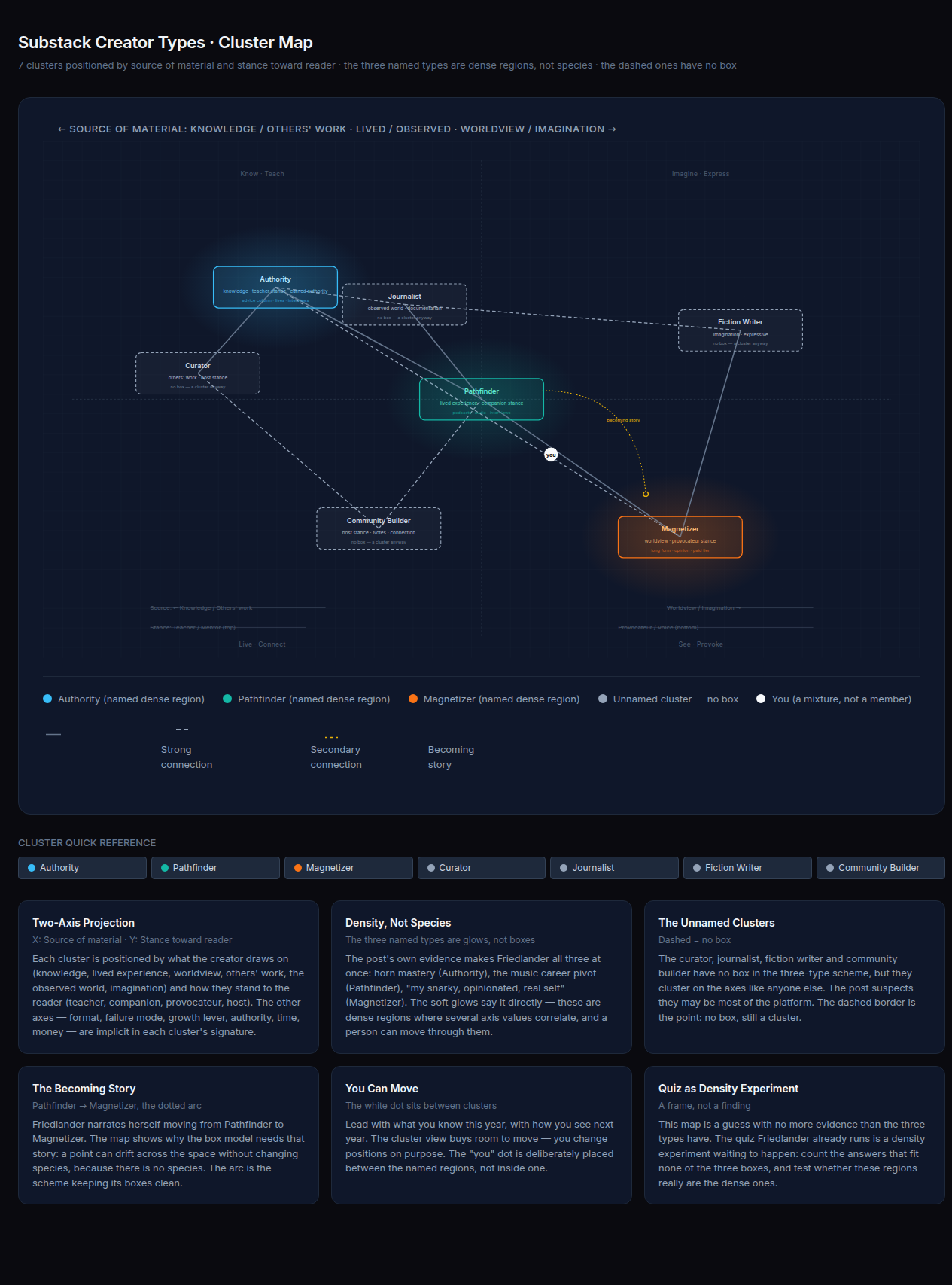
Three Types Are In Fact Eight Axes
Tracy Friedlander’s post on the three Substack creator type appeared on my Substack timeline one Sunday morning. I found it interesting and…
Read more →
Tracy Friedlander’s post on the three Substack creator type appeared on my Substack timeline one Sunday morning. I found it interesting and…
Read more →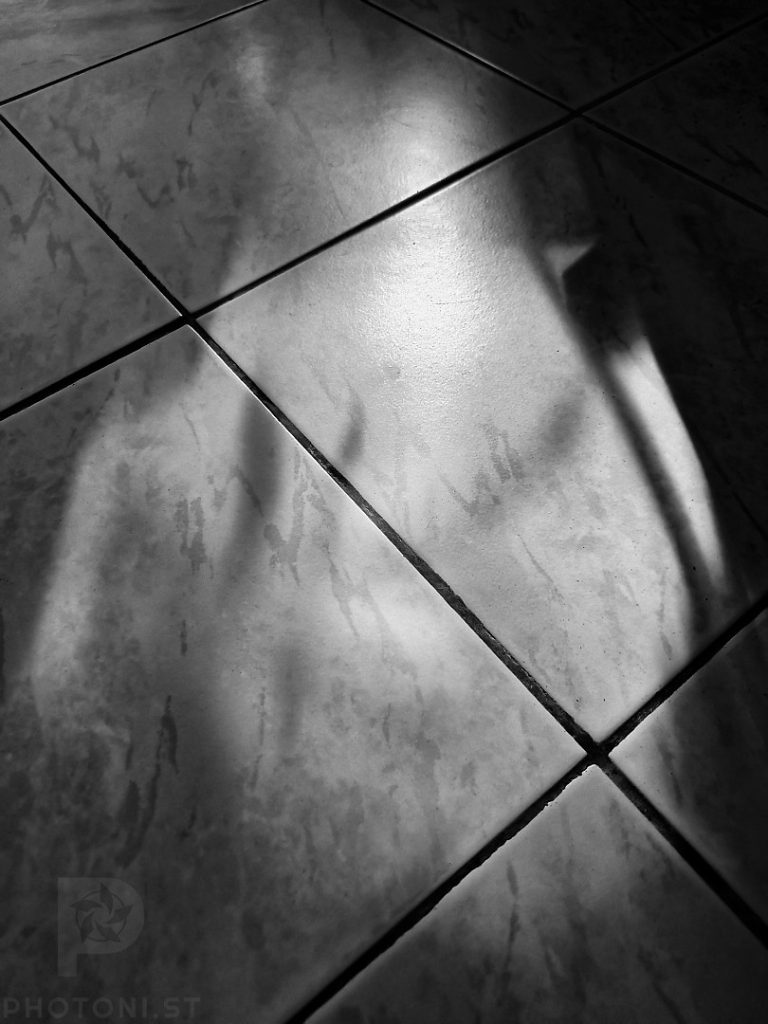
Years of landscape photography eventually crystallised into something I could trust. The experimentation settled, the instincts took hold, and I started recognising…
Read more →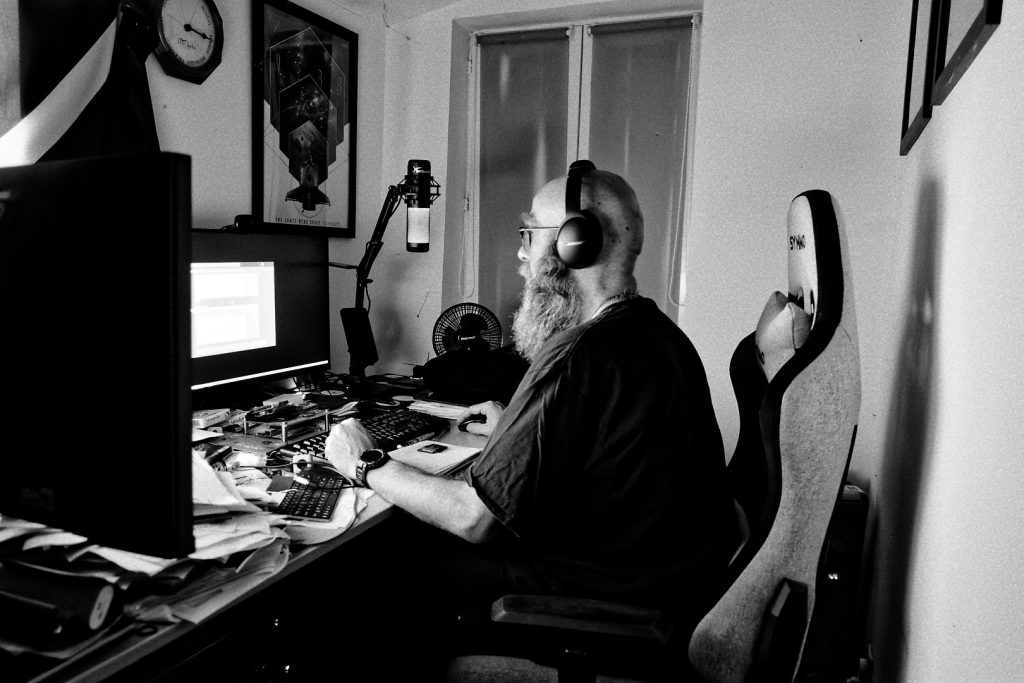
1. What does your creative ritual look like? Do you have specific habits or conditions that spark your creativity? First, I need…
Read more →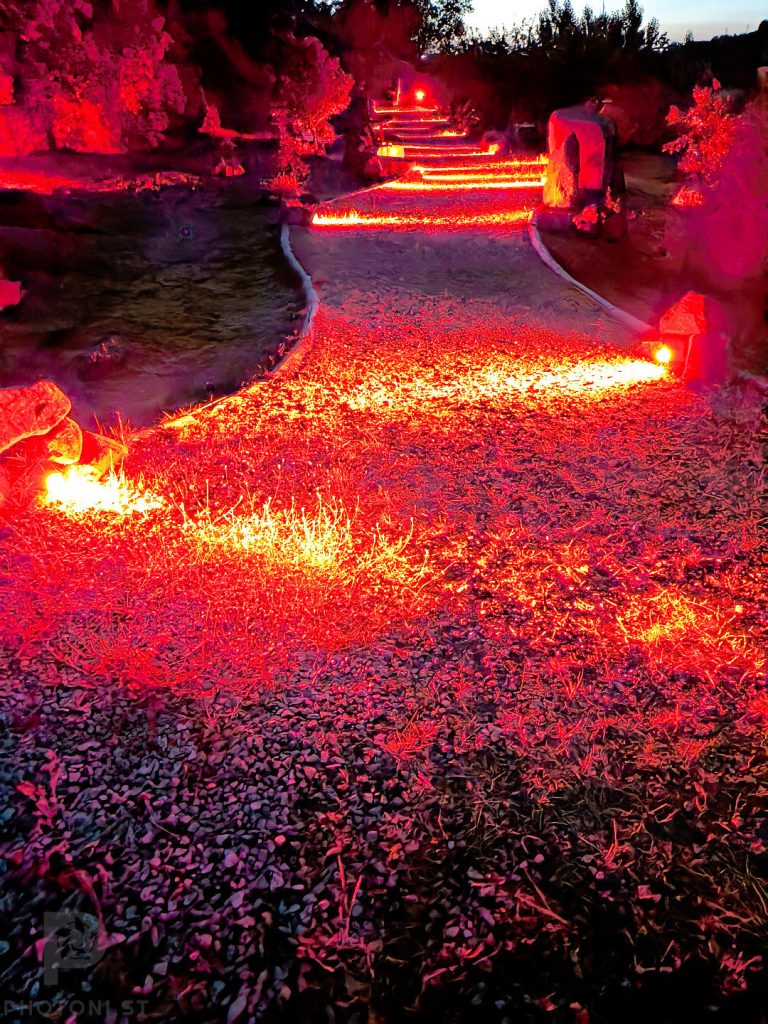
Photography is in essence a conversation between you and the world, not you and an audience. There is a reason why it’s…
Read more →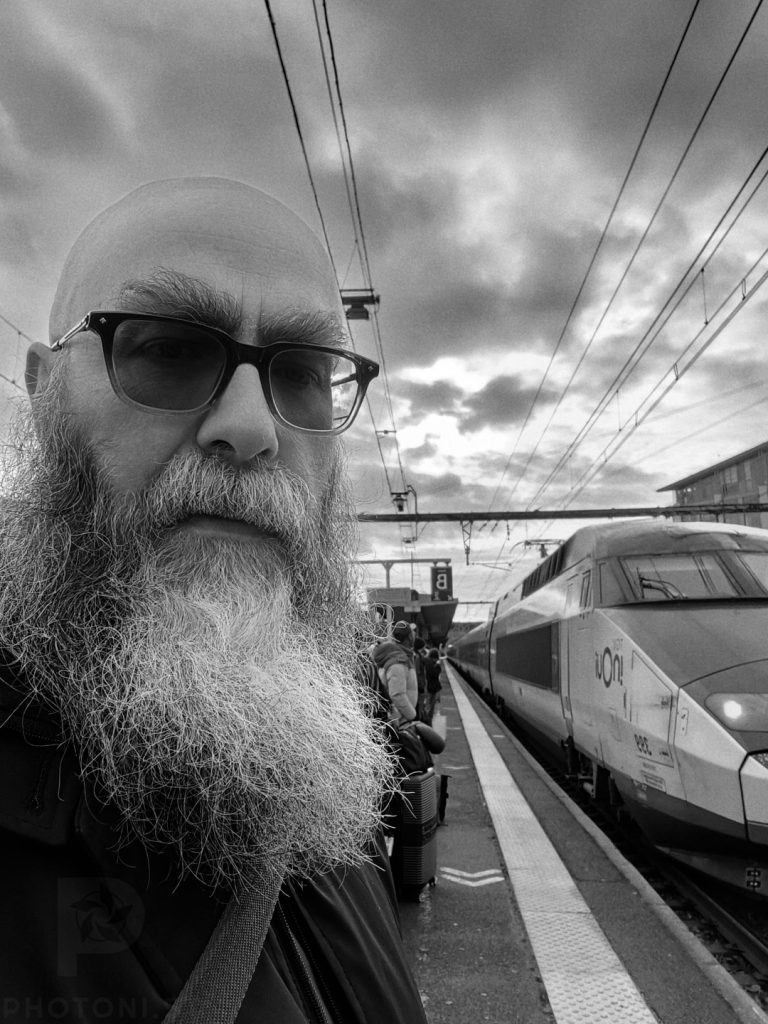
I travel roughly 2,000 kilometres a week for work. Sometimes, on the train, I put my phone away and sit with nothing.…
Read more →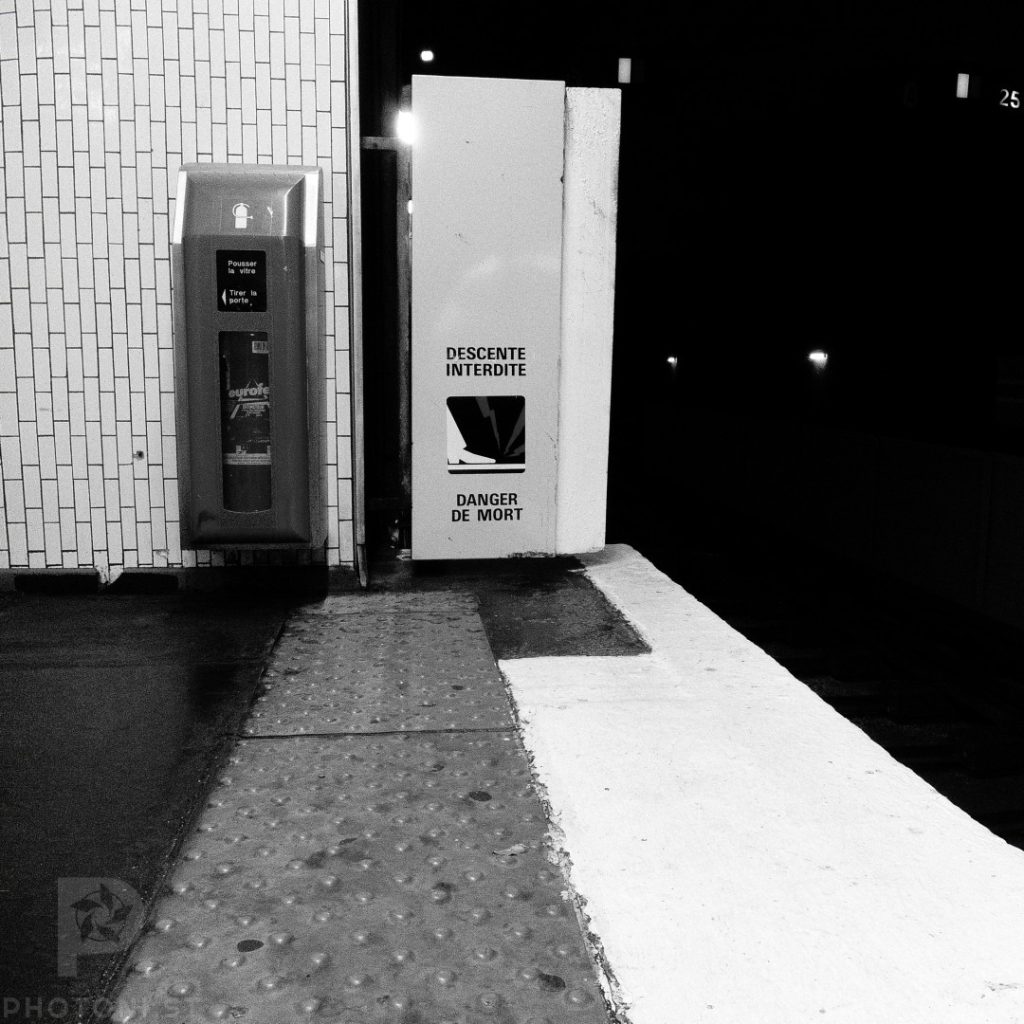
I stopped photographing for many years. Nothing dramatic happened; it was a slow fade. I’d go out with a camera, walk around,…
Read more →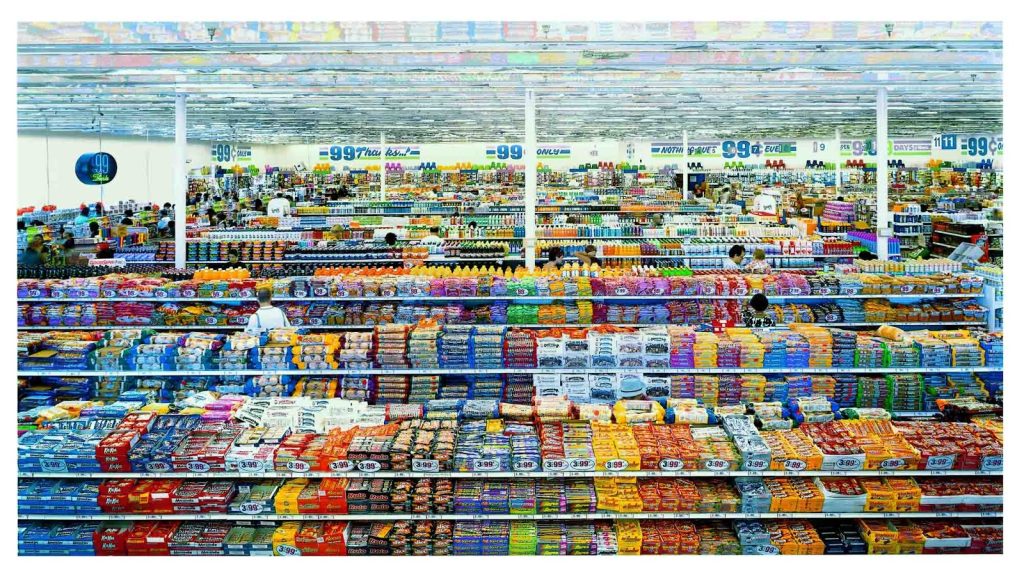
Juliette wrote last week about Deadpan photography. I was intrigued because it’s a term I had seen start appearing all over the…
Read more →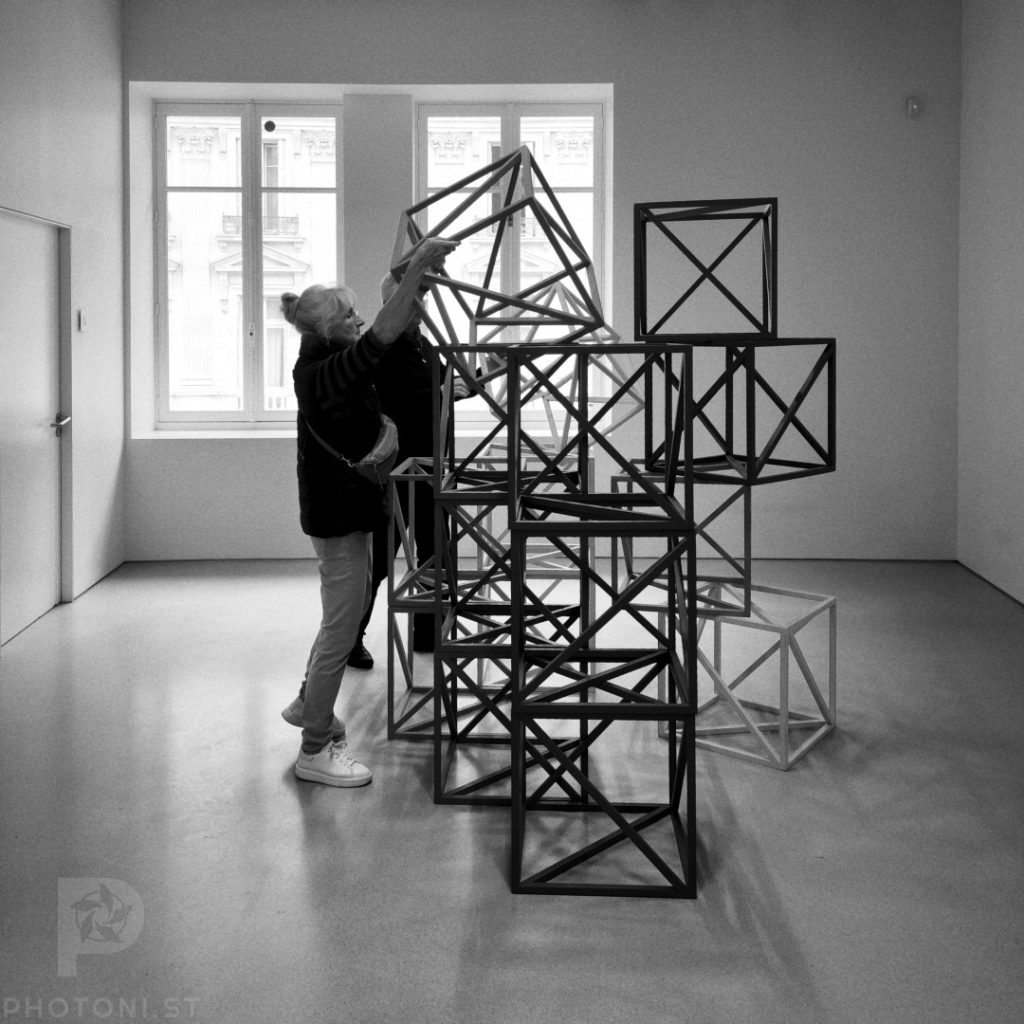
The photography education industry runs on a specific kind of desperation. Browse Instagram or scroll through YouTube and you’ll find an unending…
Read more →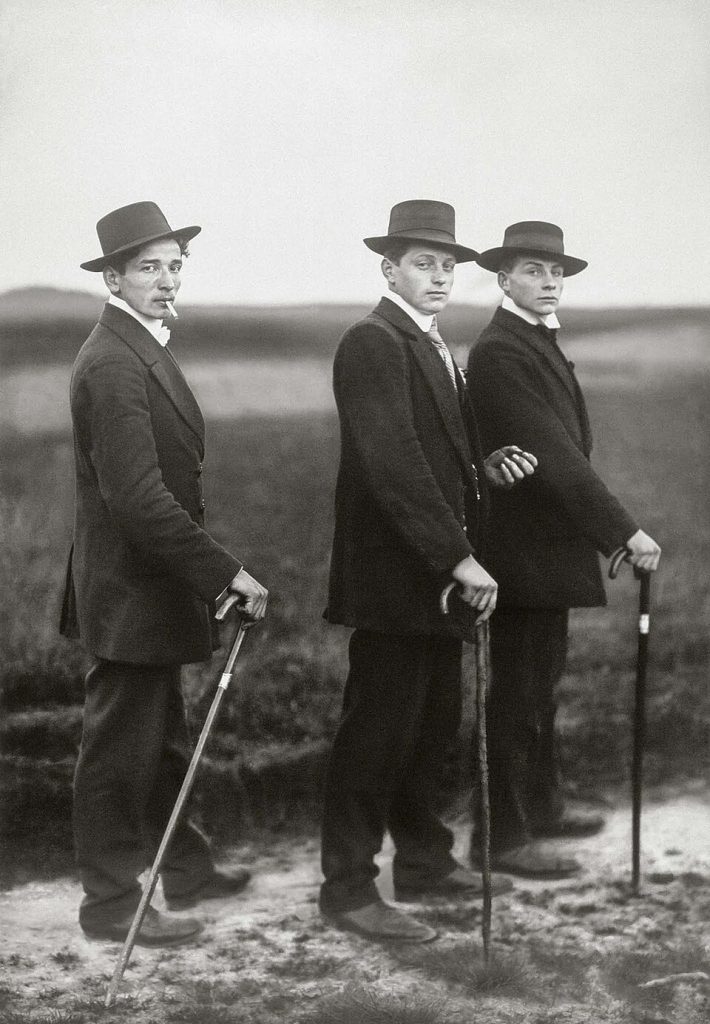
I first encountered the phrase deadpan photography around Youtube, of all places. I was watching one of Tatiana Hopper’s videos I think…
Read more →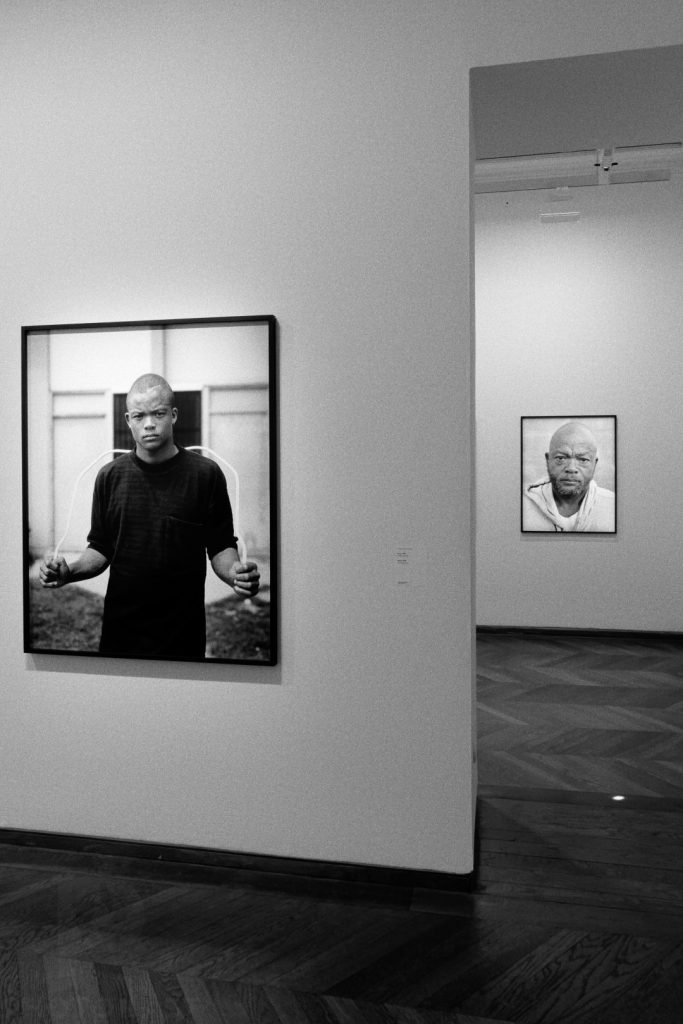
My view of Japan is cartoonish. It’s built almost entirely from exports and a European vantage point. When I watch how other…
Read more →A software engineer looking 50 in the eye. Photography picked up over 20 years ago, then set aside as life intervened — and recently returned to, with a deliberate focus on monochrome. Also drawn to found negatives: rolls of film abandoned by strangers, full of lives worth rescuing from obscurity.