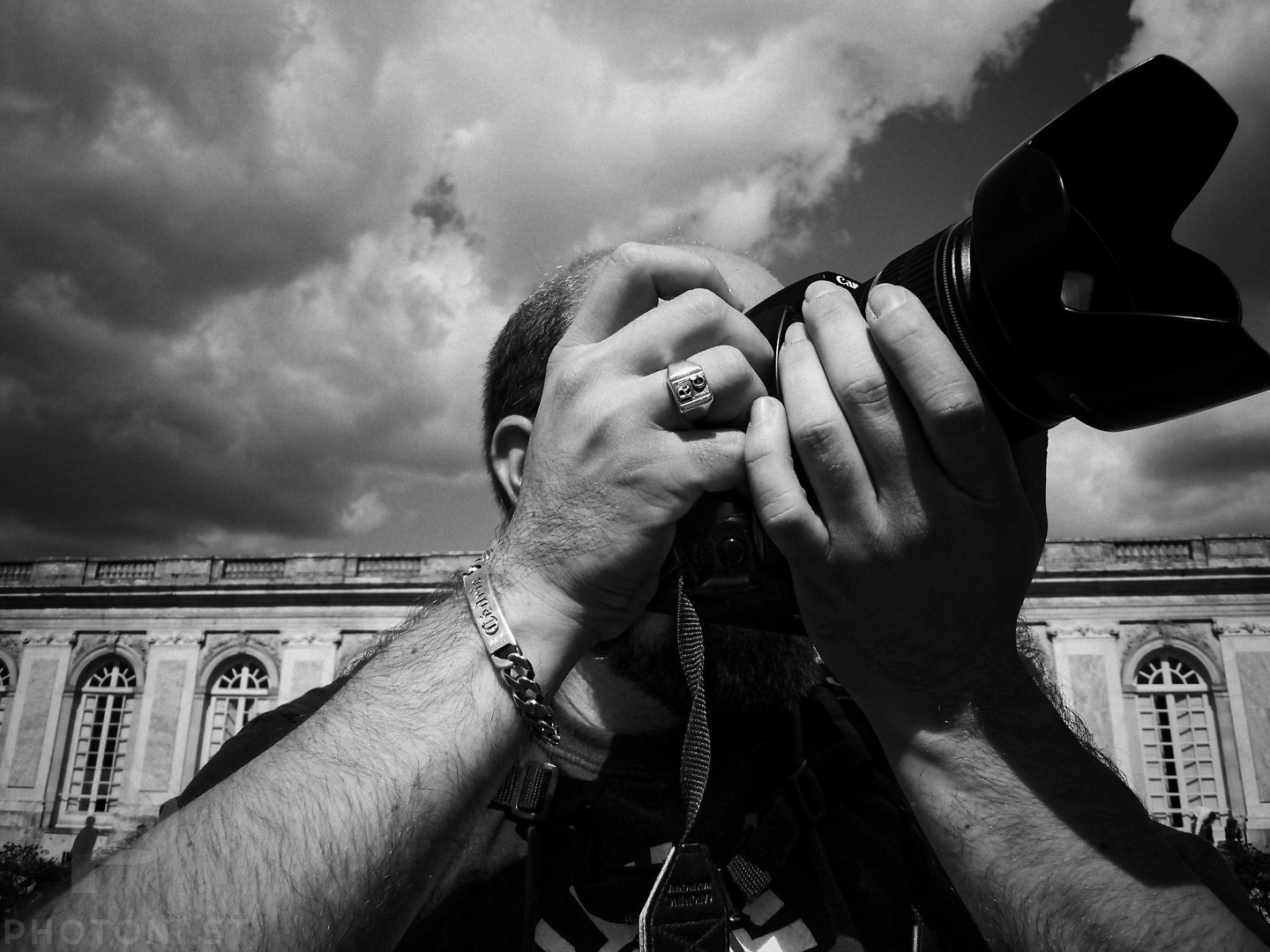
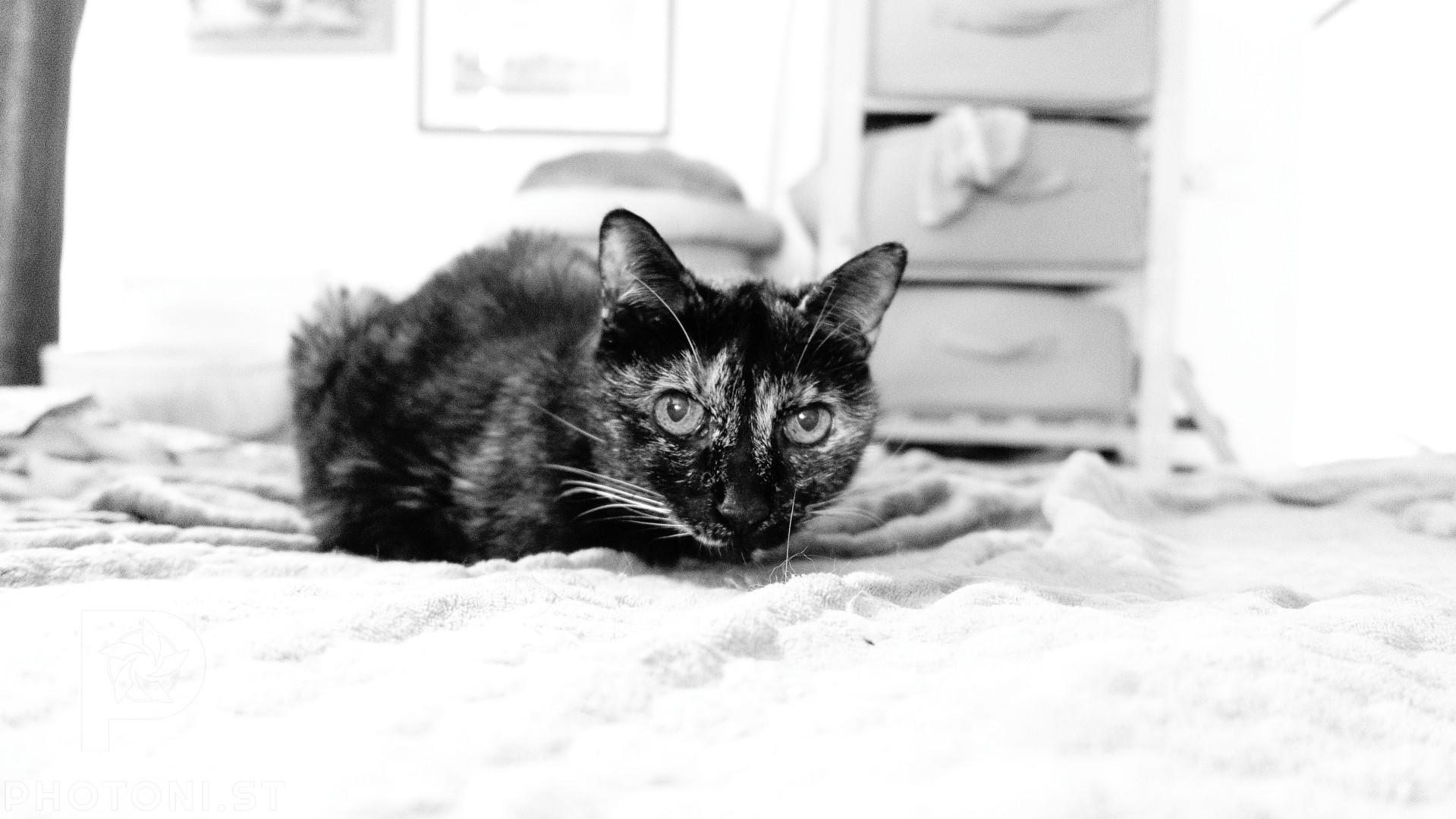
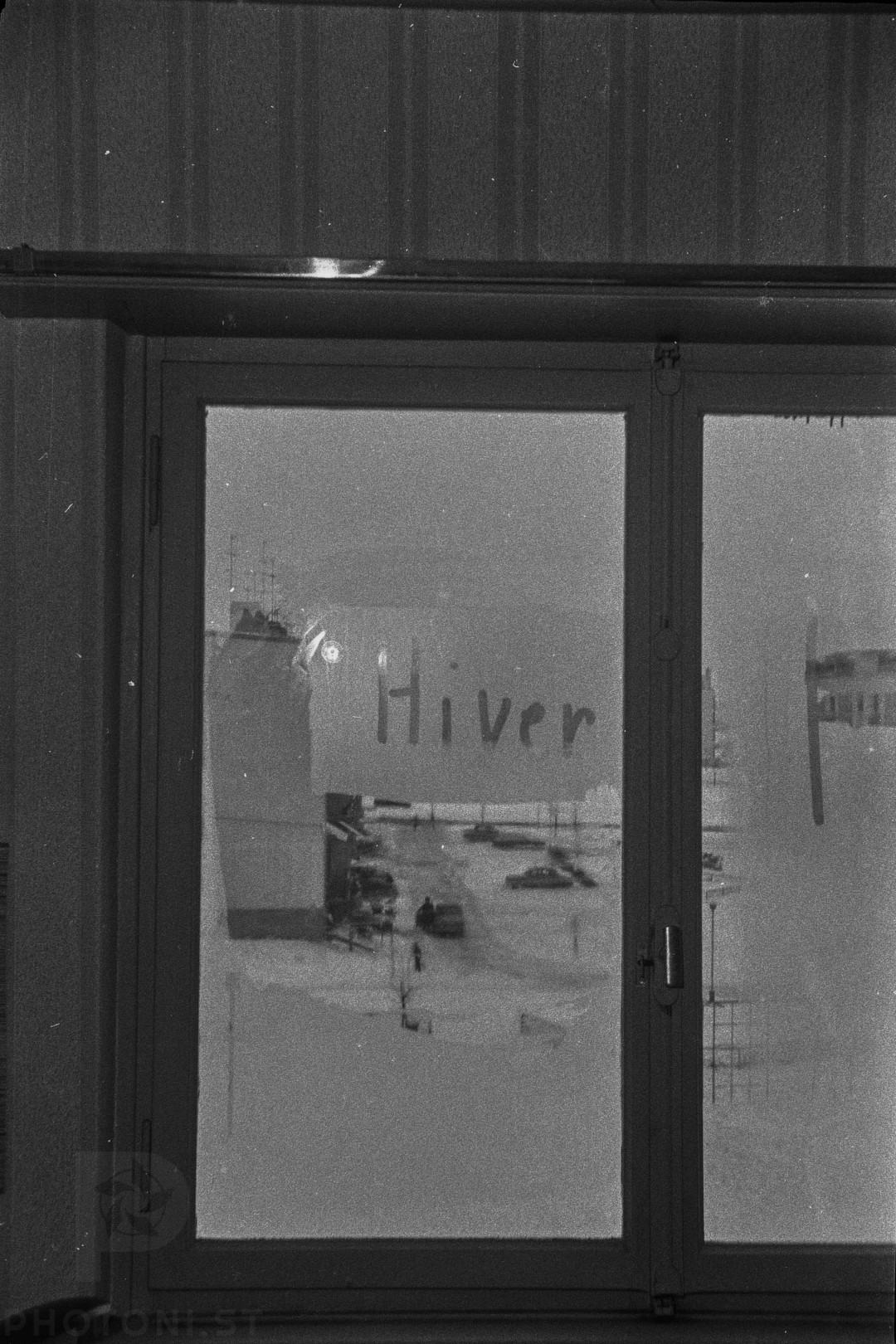
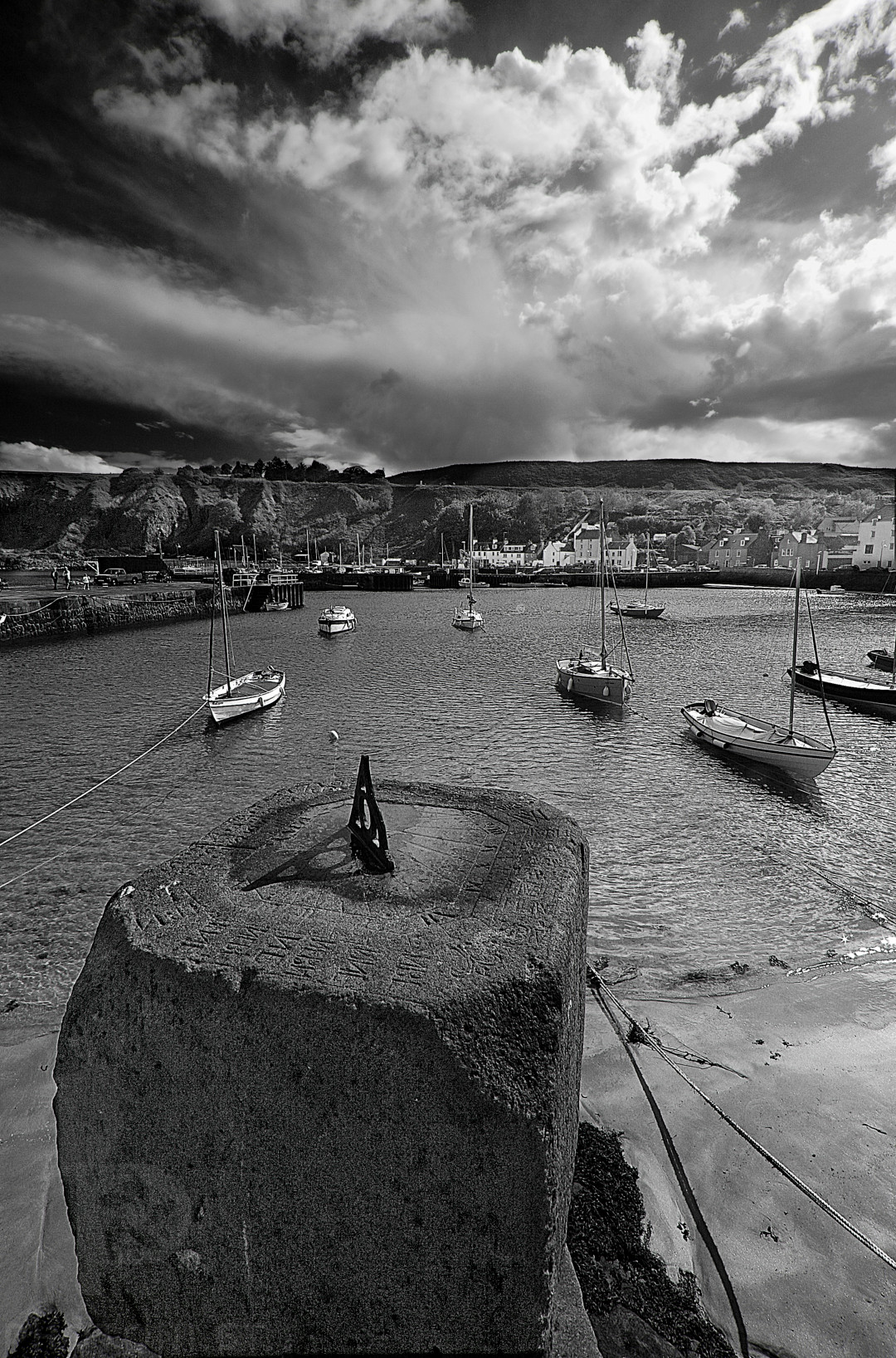
The first session with my niece will establish what photography is actually for, but not through abstract discussion. She’ll have her camera in hand from the first minute, set to full automatic, and we’ll be taking photographs while talking about why we’re taking them.
You already know the photograph. Nick Ut took it in 1972 on a road in Vietnam: a girl running, napalm smoke behind her. It may have shortened a war. Not because it was beautifully composed or appeared in the right publication, but because it was real. The girl existed. The road existed. Light bounced off a child in actual pain and entered a camera, and that causal chain is what gave the picture its weight.
Photography has always worked this way. The image is indexed to reality, meaning it cannot exist without the thing it depicts. A painting of a burning village is interpretation; a photograph of one is evidence. This follows not from quality or intent but from physics. Light enters. The world leaves a trace.
My niece is twelve. She loves taking photos with whatever’s in her pocket, but the 550D I gave her sits mostly untouched in a drawer. Too much camera. Too serious. Too intimidating. That fact made me think carefully about how in my opinion photography should be taught and what order things should happen in.
I’ve been thinking about how photographers develop over time. Looking at what I’ve been writing over the last few months, I see contradictions and incoherencies that bother me. So I set out to find the underlying thinking or framework that would unify these ideas.
Once you understand your cognitive profile, the question becomes what to do with that understanding. You can fight your natural architecture, trying to develop capabilities you don’t have, or you can lean into it, developing along pathways that suit how your mind actually works. One approach is frustrating and rarely successful. The other is sustainable and often produces stronger results.
There’s a contradiction that’s been nagging at me for years, and I’ve only recently found a way to articulate why it’s a false one. Photography feels, to me, like private work. The observing, the deciding, the moment of capture: all of that happens inside my own consciousness even when I’m surrounded by hundreds of other people. It’s meditative in a way that’s hard to explain to non-photographers. But then photographs exist as things that want to be shared, or that we feel pressure to share, or that escape into the world regardless of our intentions. Once they’re out, they’re genuinely out. They get interpreted in ways we didn’t intend, circulate in contexts we didn’t choose, and now get scraped for AI training without our knowledge or consent. I used to find this contradiction annoying. Eventually I realised I was treating two fundamentally different things as one.
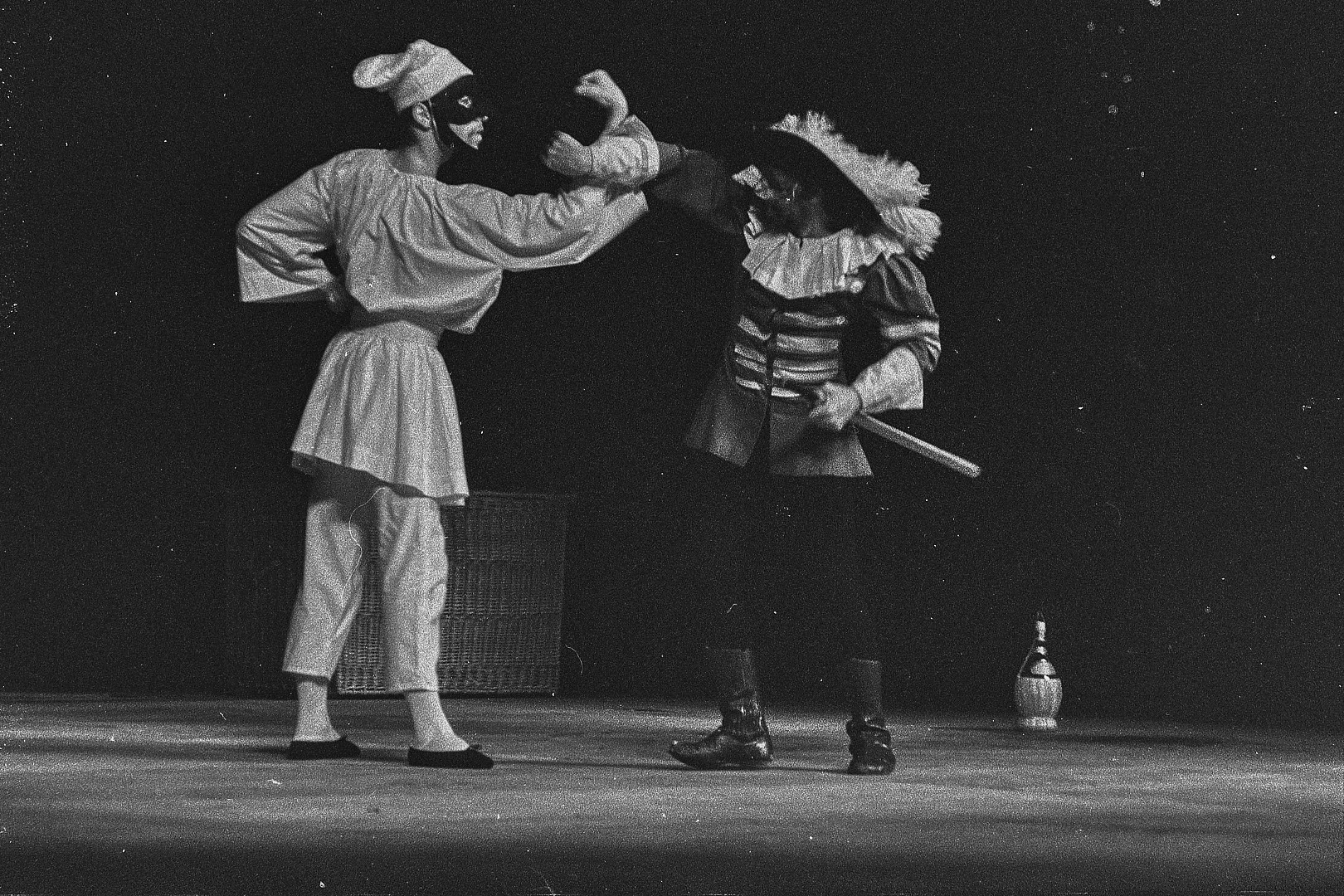
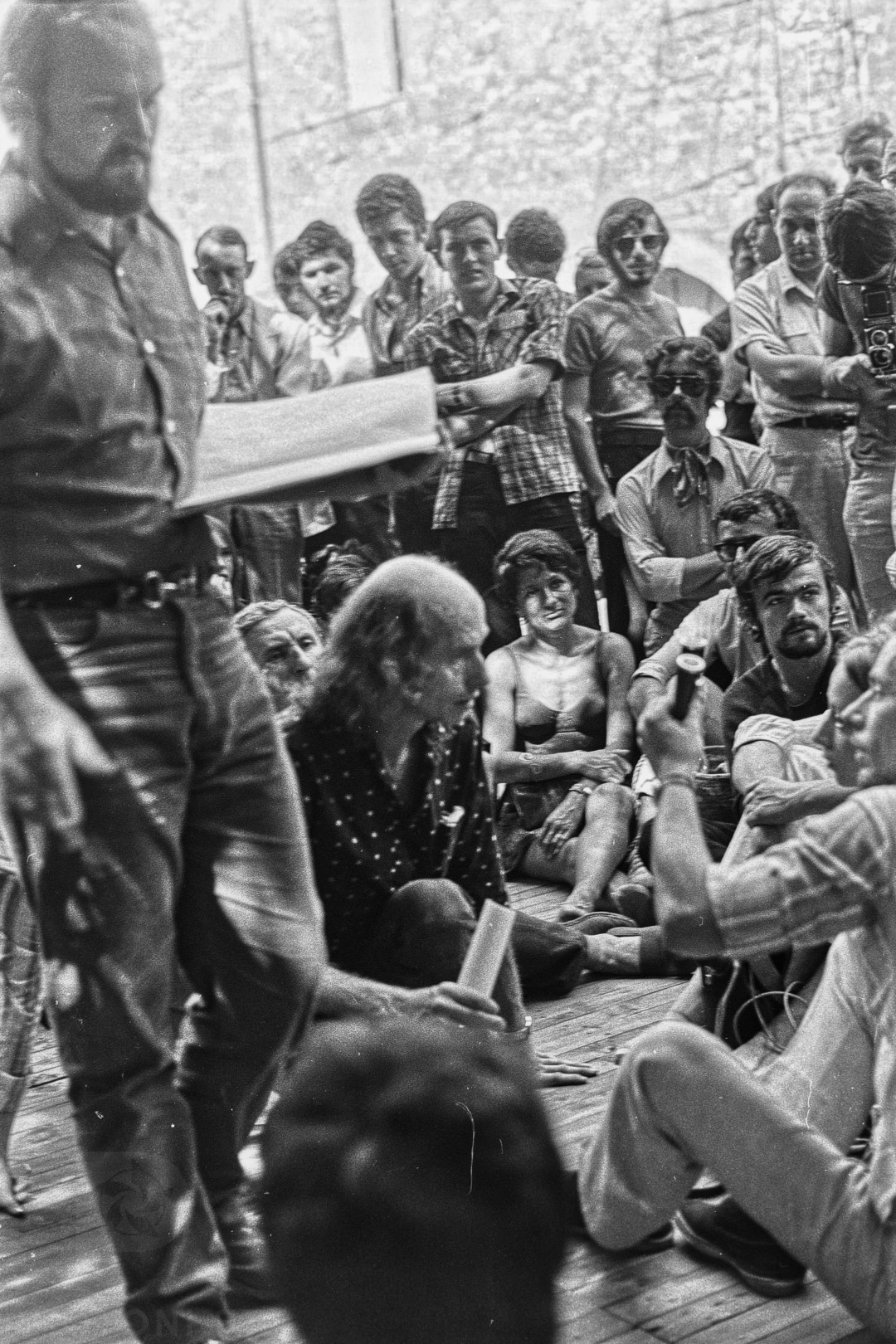
The next roll of found film is about theatre. The photos seem to have been taken at and around the organisation of a play for the Avignon festival in the 70s. I know nothing about the play itself, except that it involves a lot of physicality.
Your audience self-selects partly based on shared cognitive architecture. This isn’t about intelligence or sophistication. It’s about whether your mode of thinking and communicating matches theirs closely enough that recognition happens.