The ongoing challenge in teaching photography to a young person is protecting them from gear culture. Marketing is sophisticated and pervasive. Social media shows photographers with expensive equipment. Friends will get newer, better cameras. The pressure to upgrade is constant.
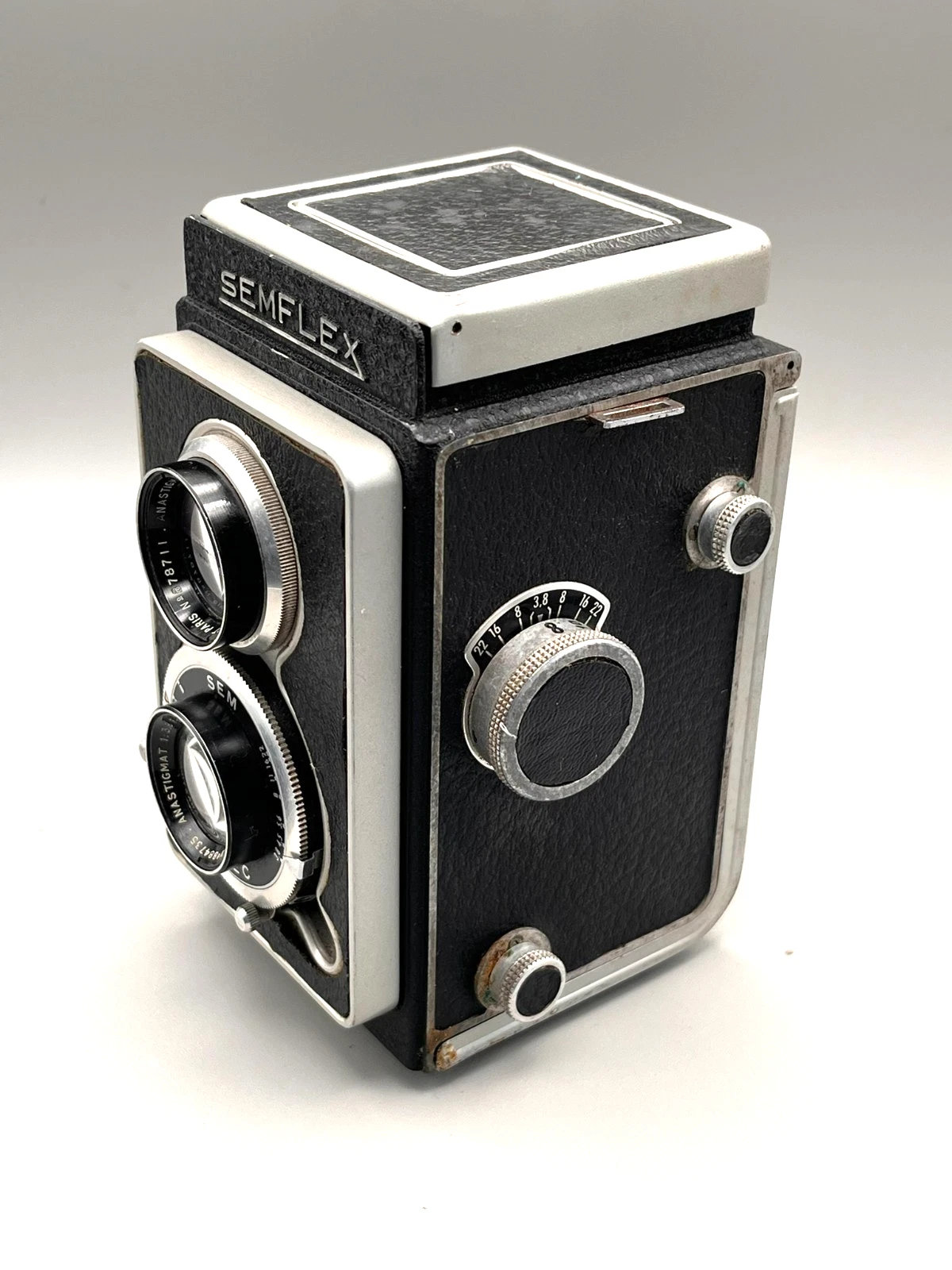
My niece needs to understand from the start that gear is just a tool, and adequate tools are sufficient until your vision genuinely outgrows them. There is a place for the love of hardware, but it isn’t during the learning phase. This lesson has to be reinforced continuously because the messages telling her otherwise are everywhere.
The conversation about gear happens early, probably in the first session. It goes something like this: the camera doesn’t make the photograph. You do. The camera records what you show it. If you show it something interesting, photographed thoughtfully, any adequate camera will record it successfully. If you show it something boring, photographed carelessly, the most expensive camera in the world can’t fix that.
A basic camera, even a phone or a point-and-shoot, is completely capable of everything we’d be doing for a long time, probably years. It can record light, composition, moment. Those are the fundamentals. Advanced cameras give you more control and better performance in difficult situations, but she won’t encounter those situations for a while.
By the time your camera’s limitations actually prevent you from making photographs you can see in your head, you’ll know exactly what camera you need because you’ll understand what your current one can’t do that you need it to do. That’s when you upgrade: when your vision outgrows your tools, not before.
Until then, use what you have. Learn to make the best possible photographs with it. Every limitation is also a challenge to work creatively within. Some of the strongest photographers have worked with modest equipment their entire careers because they understood that seeing matters infinitely more than gear.
This conversation isn’t one-time. It needs reinforcing whenever gear desire surfaces, which will be often. When she mentions wanting a better camera, I’ll ask: what can you see in your head that your current camera can’t capture? Usually she won’t have a specific answer, which means she doesn’t need better equipment yet. She’s feeling desire created by marketing rather than encountering genuine limitation.
If she does have a specific answer, it’s a teaching moment. Let’s figure out whether your current camera actually can’t do that, or whether we just need to learn a technique that makes it possible. Often what feels like equipment limitation is actually knowledge limitation. If she says she can’t photograph in low light, that might be true of a phone’s capabilities; but it’s also possible she hasn’t learned how to use available light effectively, or that she’s trying to photograph in situations where no camera would work well without additional lighting. Understanding the difference matters.
Part of resisting gear culture is learning satisfaction with what you have. A phone camera can’t blur backgrounds as dramatically as a camera with a larger sensor and fast lens. Fine; learn to use shallow depth of field when available, and learn other ways to direct attention when it’s not: composition, light, contrast, positioning. A phone struggles in very low light. Fine; work in better light, or embrace the grain and noise as aesthetic choice rather than technical failure. Some of the most compelling photographs ever made are grainy and rough. Every limitation is a creative challenge. How do you achieve your vision within these constraints? That question produces better photographers than unlimited equipment would, because it forces intentional problem-solving rather than just buying solutions.
The hardest part is social media. She’ll see photographers online with expensive gear and assume that gear is why their work looks good. This is almost never true, but the association is psychologically powerful. When this comes up, we’ll look at their work critically. What makes it strong? Usually it’s seeing, timing, understanding of light, compositional skill, things that have nothing to do with equipment. The expensive camera was present but not causal.
Then we’ll find examples of strong work made with modest equipment. They’re everywhere if you look. Photographers using phones, old film cameras, basic digital cameras, all making images as compelling as anything made with professional gear. I’ll also show her technically perfect but emotionally empty images. Gear forums are full of these: perfectly exposed, pin-sharp photographs of nothing in particular, made by people with expensive equipment who never developed their eye. Technical competence without vision produces boring work regardless of what camera you’re using.
Eventually she might genuinely outgrow her camera, and that’s fine and expected. But the upgrade should be strategic rather than aspirational. If she’s consistently encountering situations where her current equipment prevents her from capturing what she can see, and she can articulate specifically what capability she needs, then upgrading makes sense. She needs faster autofocus for catching quick moments, better low-light performance for specific situations she photographs regularly, more control over depth of field for the kind of work she’s doing. Those are real reasons based on actual limitations she’s encountering in pursuit of her vision, which is completely different from wanting better gear because it seems like what serious photographers have.
When that time comes, the upgrade will be modest and specific. Not the most expensive camera available, but the most appropriate one for solving the specific problem she’s identified.
The goal is developing immunity to upgrade culture that will last her entire photographic life. Most photographers own better equipment than their skill level requires. By learning from the start that seeing matters and gear doesn’t, that limitations force creativity, that adequate tools are sufficient until vision outgrows them, she builds resistance to the marketing and social pressure that pushes people toward endless consumption. This isn’t about being cheap or dismissing quality equipment. It’s about understanding that equipment serves vision rather than creating it. Get good enough that your tools can’t keep up, then upgrade specifically to solve that problem. Until then, work with what you have and get better.
Gear stays in its place: useful tool, chosen deliberately when needed, never the point itself.
#Photography #IMayBeWrong #Opinion #Teaching #TeachingPhotography