Not legally, though we’ll get to the murky ethics of that. I mean conceptually, technically, aesthetically. Every image I’ve made is somewhere on a spectrum between homage and plagiarism, filtered through techniques I borrowed from photographers who borrowed them from other photographers who borrowed them from painters who probably borrowed them from someone else. Nothing I’ve done is original. I’m not sure anything in photography is.
This bothers some people more than it should. We’ve built this mythology around photographic vision, the idea that great photographers see uniquely, that their images spring fully formed from some internal creative source untainted by external influence. Nonsense. I learned composition by copying Colin Prior’s efforts until I understood why his frames worked. I learned light by studying how Ansel Adams did it. Every technique I use, I took from someone else.
Photography education is just structured theft. You study masters, analyse their approaches, attempt to recreate their effects. Eventually your theft becomes sophisticated enough that it looks like style. But it’s still theft, just appropriated, digested, and recombined. The photographers I learned from did the same thing, reaching back through previous generations until you hit the early practitioners who were stealing composition principles directly from painters. The whole medium is built on borrowed frameworks.
This has accelerated brutally in the social media era. You can’t scroll through Instagram without seeing the same dozen shots endlessly reproduced. The moody café. The Icelandic waterfall from that specific angle. The Tokyo street crossing at night. Someone takes a striking image, it gets traction, and within weeks you’ll see fifty interpretations of it, each photographer telling themselves they’re creating something while actually just confirming they’ve seen the same feed as everyone else.
I’ve done this too. Seen a photo that worked, filed it mentally, then found myself recreating it months later thinking it was my own idea. Sometimes the theft is conscious, you want to see if you can achieve that effect. More often it’s unconscious, your visual vocabulary has been colonised by other people’s images and you’re recombining them without realising. Either way, you’re not inventing. You’re iterating.
The question is whether that matters. Every art form works this way. Musicians learn by copying licks, writers absorb style through reading, painters study technique by reproducing masters. Photography isn’t special. What makes it feel more fraught is the ease of reproduction and the anxiety that if you’re not being wholly original, you’re not being legitimate.
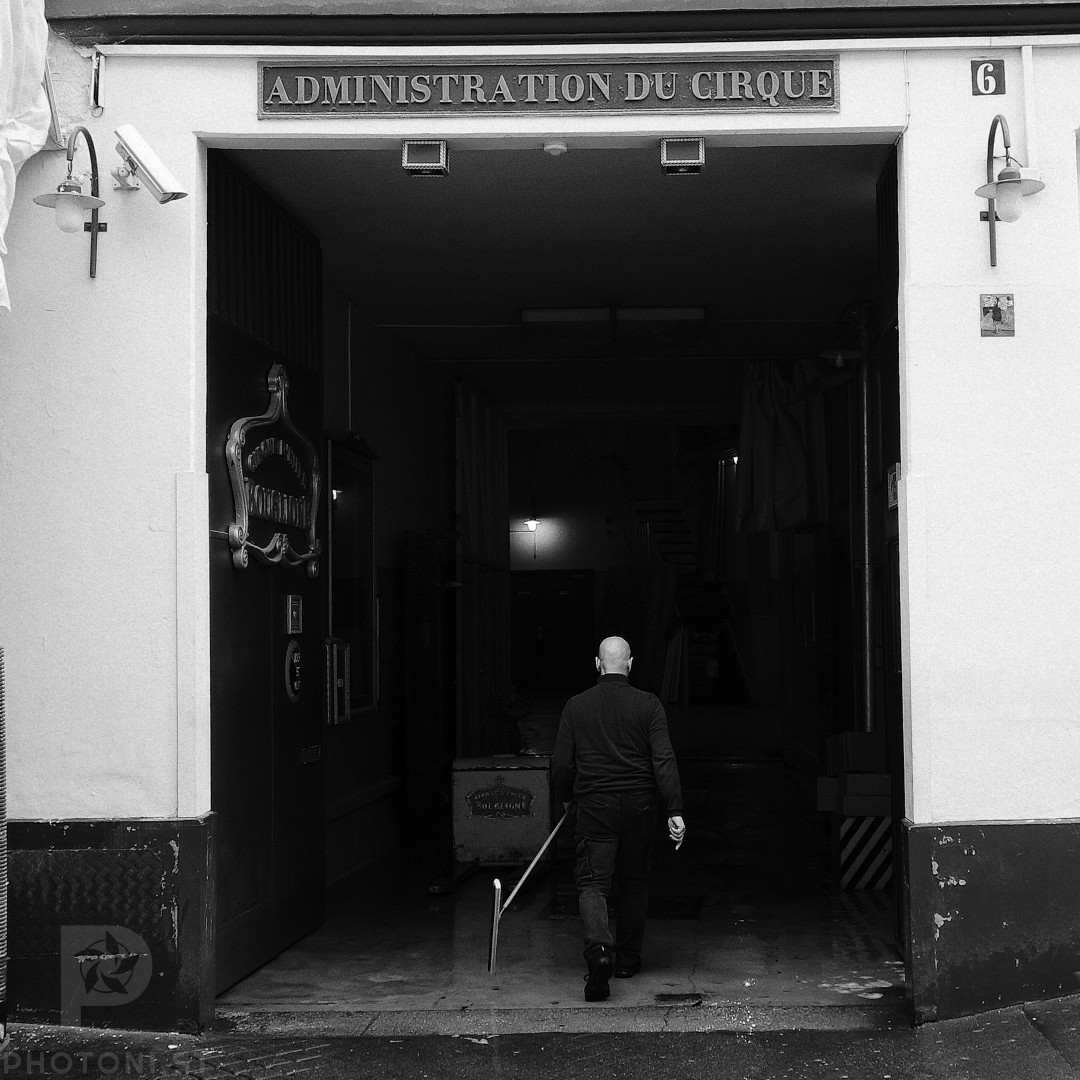
But there’s another kind of theft happening that’s harder to dismiss. When I photograph a stranger on the street, I’m taking something from them. Their image, their moment, their presence. I haven’t asked permission. I haven’t compensated them. I’ve just extracted what I wanted and walked away. That’s theft in a more direct sense than borrowing compositional techniques. I have already talked about how that makes me uncomfortable.
Street photographers can get defensive about this. We talk about public space, about the right to observe, about the tradition of documentary photography. All true, all relevant. Also a way of avoiding the uncomfortable fact that we’re using other people’s lives as raw material without their consent. The person in my photograph didn’t choose to be there. They were just existing, and I turned that existence into my craft. If that’s not theft, it’s at least exploitation.
Portrait photography has a contract, however implicit. The subject knows they’re being photographed, usually agrees to it, sometimes even enjoys it. But even there, I’m taking something. I’m capturing how I see them, which may not align with how they see themselves. I’m fixing a version of them in time that they might not want preserved. The power dynamic is unequal. I control the image, they just appear in itself.
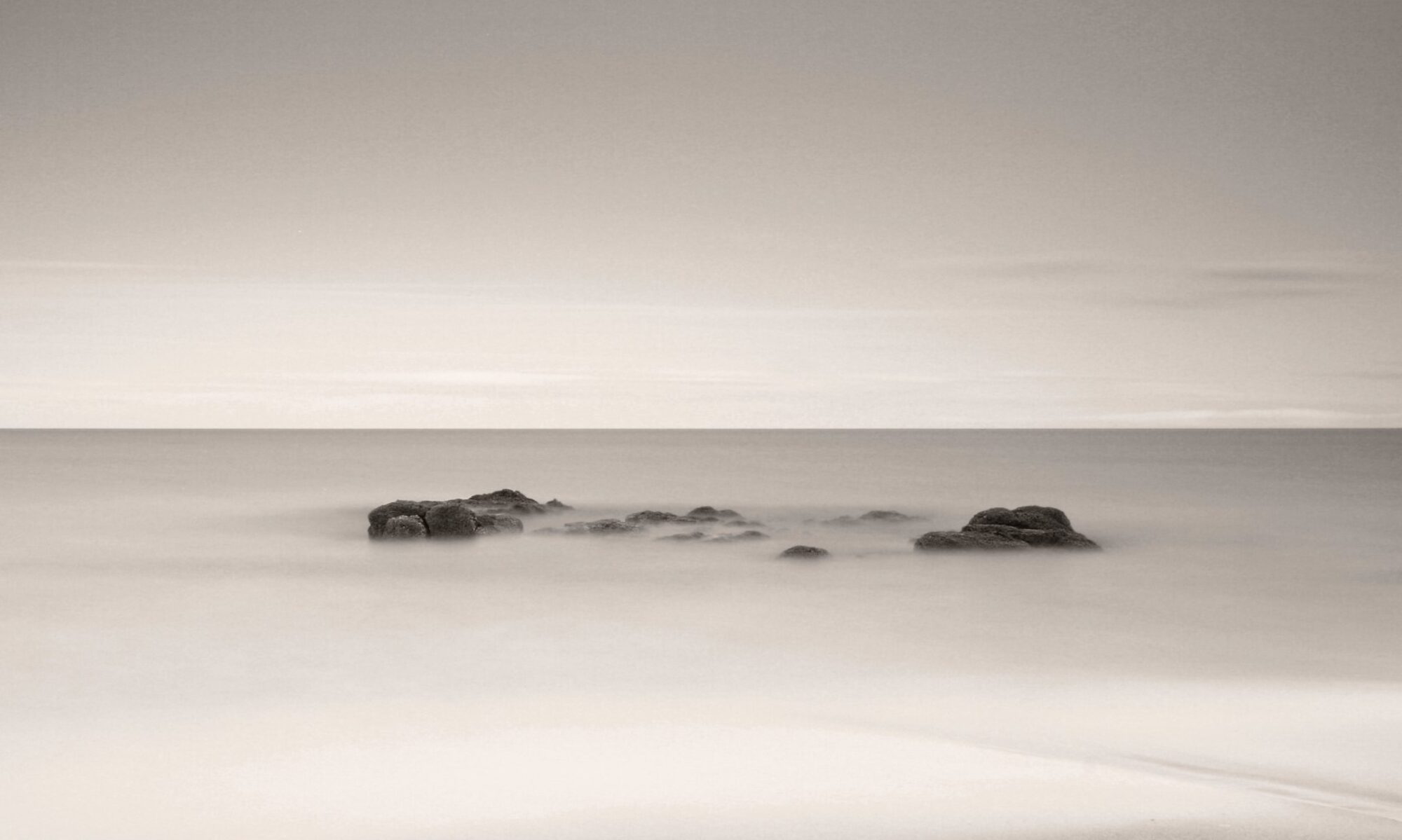
Landscape photography feels cleaner until you think about it. Whose land am I photographing? Who has been displaced from it, who has prior claim to it, who profits from its image? I take photos of Scottish highlands that were cleared of people for sheep. And in Scotland, no land is not owned by someone. My beautiful compositions erase histories I benefit from ignoring. That’s a kind of theft too, maybe the worst kind because it’s so aesthetically pleasing.
Fashion photography is the most honest about this. Everyone involved knows it’s about taking beauty, packaging it, selling it. The model’s appearance is the product. At least there’s clarity there, and usually payment. The theft is transactional, acknowledged, compensated. Better than street photography’s unilateral extraction.
None of this means photography is uniquely unethical. Every creative act involves taking from the world, from other artists, from subjects. Writing does this, painting does this, music does this. Photography just makes it more visible because the theft is so direct. The camera takes. That’s literally what it does.
I don’t have a clean resolution to this. I’m not going to stop photographing, and I’m not going to pretend I’m not taking things without permission. The images I make are assembled from stolen techniques applied to subjects who didn’t ask to be subjects, often in places I have no deep connection to. That’s the practice. Refusing to acknowledge it doesn’t make it less true.
What I can do is be conscious about the theft. Ask myself whether what I’m taking has value beyond reproduction. Whether I’m adding something or just confirming what’s already been seen. Whether the person I’m photographing would feel violated or indifferent if they saw the image. Whether the landscape I’m capturing needs another photograph or whether I’m just extracting aesthetic pleasure from someone else’s history.
Photography is theft. Technical theft from other photographers, conceptual theft from painters, personal theft from subjects, cultural theft from places. The question isn’t whether to steal. It’s whether what you make with what you’ve stolen justifies the taking. Most of the time, honestly, it doesn’t. We’re just adding to the pile of redundant images, reproducing what’s already been seen, taking without adding.
But occasionally, the theft transforms into something else. The borrowed techniques combine in new ways. The stranger’s captured moment reveals something true. The landscape photograph makes someone see differently. When that happens, the theft becomes exchange. Still not entirely ethical, still not equal, but at least productive.
I’ll keep stealing. I don’t have another option if I want to keep photographing. But I’ll try to steal with purpose, to take only what I can transform, to acknowledge what I’m doing instead of hiding behind mythology about vision and originality. That’s why I’m so keen on documentary photography and witnessing. At least the resulting photos are there for a clear reason.
Every photograph is theft. The least we can do is admit it.
#Photography #IMayBeWrong #Theory #PhotographyTheory