
As a viewer of photography, when I look back at the images that truly stay with me, they almost always contain something strange. A detail that doesn’t belong. A gesture that seems out of place. A moment that cracked the frame open. In short: the unexpected.
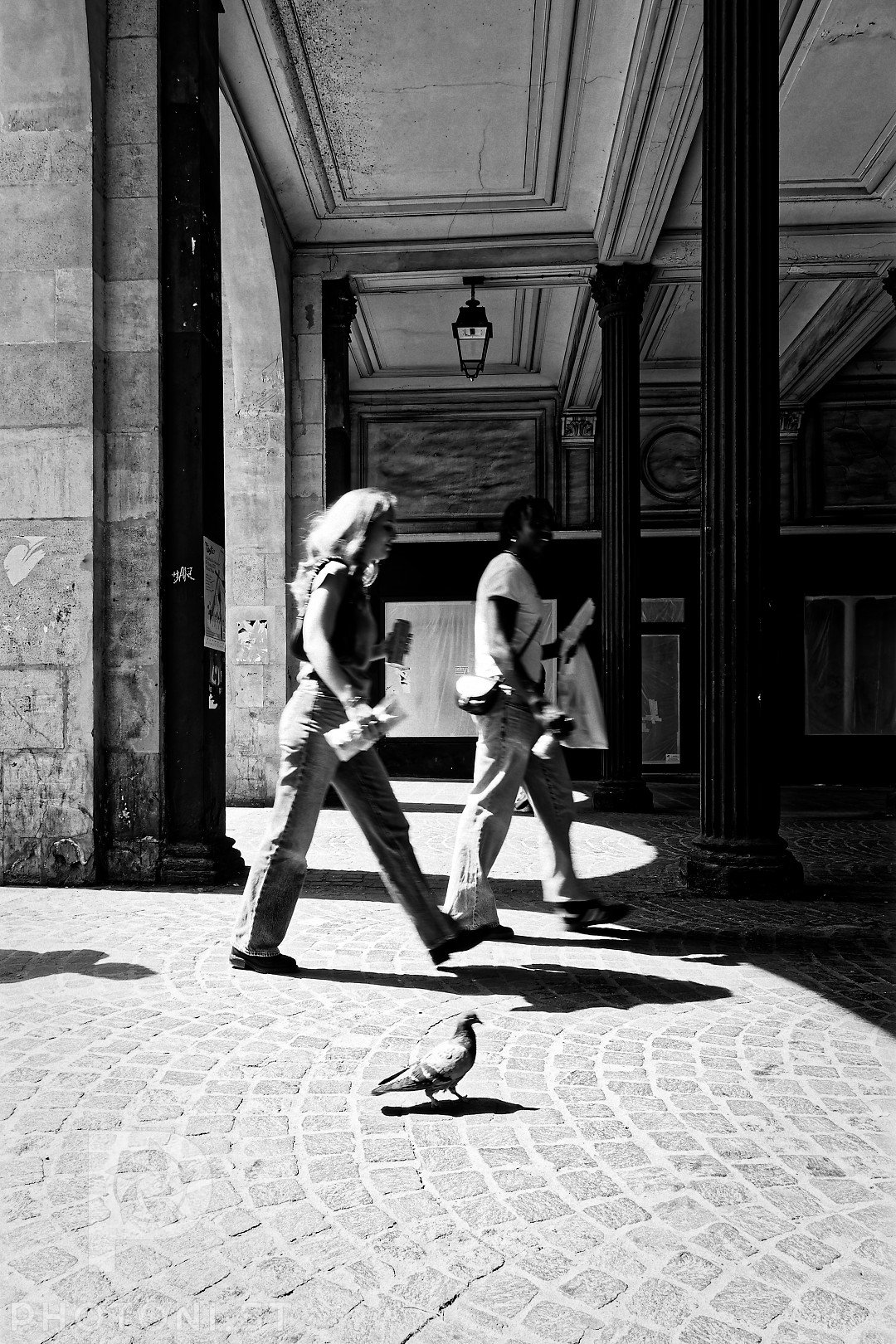
As photographers, we spend a lot of time and effort to control the shots we take very precisely. We wait for the scene to be perfect, with perfect light, perfect framing, and perfect detail. We wait for the right person to walk in, to be in the right place, or with the right attitude. We position models to the articulation and muscle to get exactly what we have in mind. We just don’t like the unexpected.
It’s a strange paradox. The more experienced we get, the easier it becomes to take “good” photographs and the harder it becomes to take interesting ones. Our instincts sharpen. Our sense of what works improves. But that improvement often comes at the cost of surprise for the viewer. We start producing safe images: clean, well-composed, and technically sound. But completely forgettable (think IG: flashy, bright, saturated, but forgotten at the next scroll of the thumb).
The unexpected is a rupture. It snaps the viewer’s attention and says: Look again. It disrupts expectation, not just visually, but emotionally. A strange reflection, a background photobomb, a subject breaking eye contact at the perfect instant. These moments stick because they break the pattern we’ve come to anticipate.
Sometimes, the unexpected is just that: unexpected. You are not always the full author of your images. Photography, especially in the street or in documentary-style shooting, is a conversation between the photographer and the world. And sometimes, the world speaks louder.
Some of my favorite frames were hijacked by life. A protestor’s sign accidentally mirrored the building behind them. A gust of wind flipped a model’s hair into chaos just as the shutter was pressed. A pigeon wandered into the perfect point of symmetry. These weren’t planned, and they weren’t mistakes either. They were gifts to those who can see them.
However, unexpected doesn’t necessarily mean uncontrolled. Think Cartier-Bresson’s decisive moment. Sometimes the unexpected is planned. You wait for the right reflection in a window. It looks like it just happened as you were taking the shot, but you had it in your mind all along. You just had to wait for the pieces to fall in the right place. Or you compose a landscape with a slightly unexpected foreground interest object. Something that doesn’t completely belong there, but balances the whole photo. To the viewer it looks unexpected. But as the photographer, you know better.
To the viewer, the origin of the unexpected isn’t relevant. The viewer can’t distinguish things that have just happened from things that have been planted to look like they just happened. The effect is the same.
It’s important to make a distinction here. Style is not the same as surprise. Style is form: your visual grammar, the look and feel that you refine over time. Surprise is message: the element that interrupts the expected narrative and delivers something deeper. You can shoot in a highly stylised way and still include surprise. Or you can be spontaneous without saying anything new. What matters is the intention behind the surprise. The question is not “Does this break the norm?” It’s “Does this break the norm with purpose?”
So how do you learn the unexpected? How do you make it happen without making your photos look contrived and formulaic?
You stay longer than you need to: sometimes the magic happens two minutes after you would’ve left. You’re patient: sometimes you anticipate things to change. You use imperfect tools (zone focus, expired film, autofocus quirks): anything that introduces uncertainty. You let go of tight framing and shoot wide: let the environment breathe. See what enters. And most importantly, you edit with fresh eyes. Don’t delete what feels “off.” Sit with it. Revisit it later. Sometimes, the moment you didn’t understand in the moment becomes the image you can’t forget.
The unexpected isn’t just a visual device. It’s a philosophy (think wabi-sabi). It reminds us that photography isn’t always about domination or execution. It’s about awareness. The best photographs don’t scream mastery; they whisper vulnerability. They hint at a moment bigger than the photographer who captured it. Even if it’s in fact manufactured.
Let the unexpected speak.
#Photography #Opinion #IMayBeWrong #Theory #PhotographyTheory