Once you understand your cognitive profile, the question becomes what to do with that understanding. You can fight your natural architecture, trying to develop capabilities you don’t have, or you can lean into it, developing along pathways that suit how your mind actually works. One approach is frustrating and rarely successful. The other is sustainable and often produces stronger results.
There’s a contradiction that’s been nagging at me for years, and I’ve only recently found a way to articulate why it’s a false one. Photography feels, to me, like private work. The observing, the deciding, the moment of capture: all of that happens inside my own consciousness even when I’m surrounded by hundreds of other people. It’s meditative in a way that’s hard to explain to non-photographers. But then photographs exist as things that want to be shared, or that we feel pressure to share, or that escape into the world regardless of our intentions. Once they’re out, they’re genuinely out. They get interpreted in ways we didn’t intend, circulate in contexts we didn’t choose, and now get scraped for AI training without our knowledge or consent. I used to find this contradiction annoying. Eventually I realised I was treating two fundamentally different things as one.
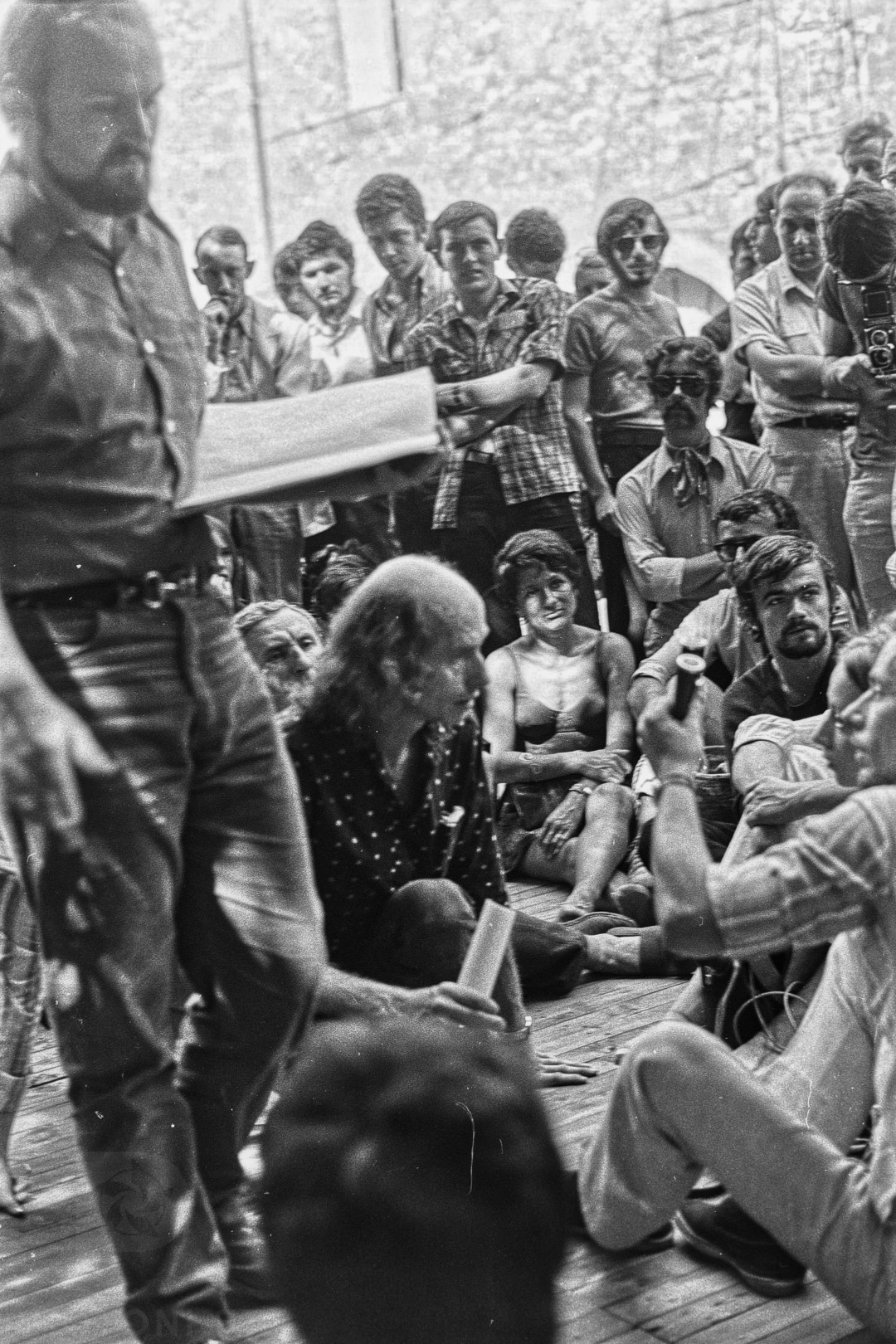
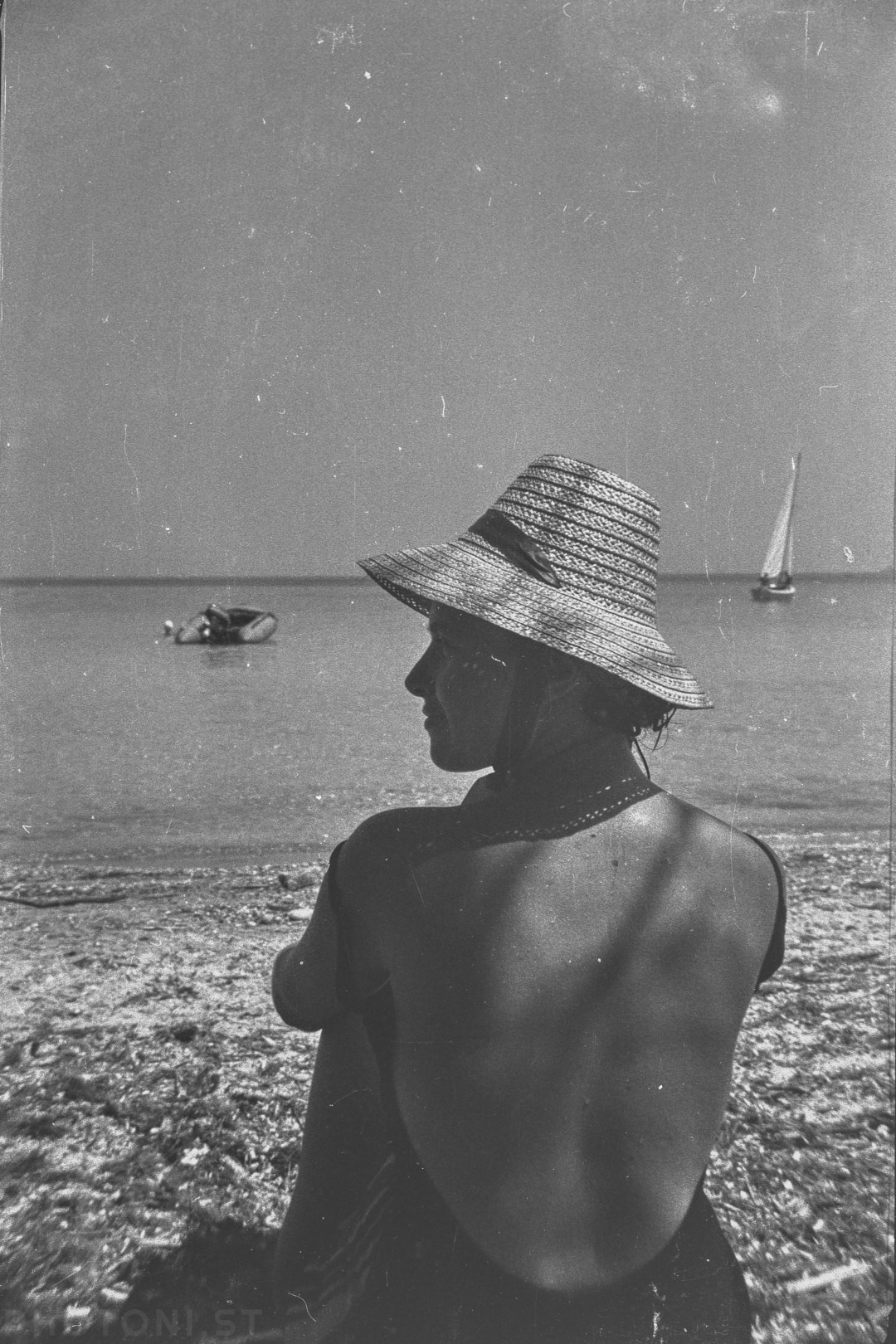
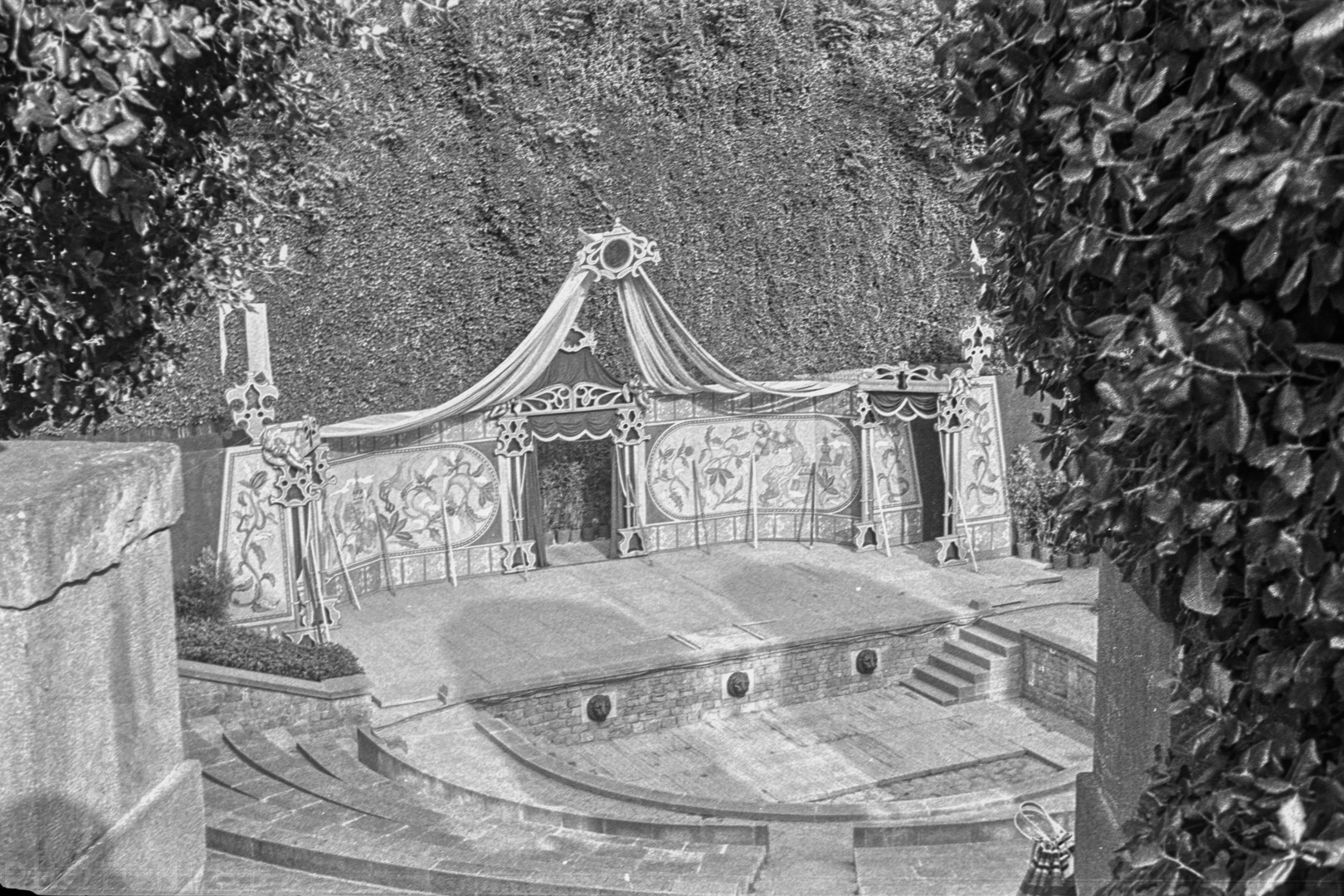
The next roll of found film is about theatre. The photos seem to have been taken at and around the organisation of a play for the Avignon festival in the 70s. I know nothing about the play itself, except that it involves a lot of physicality.
Your audience self-selects partly based on shared cognitive architecture. This isn’t about intelligence or sophistication. It’s about whether your mode of thinking and communicating matches theirs closely enough that recognition happens.
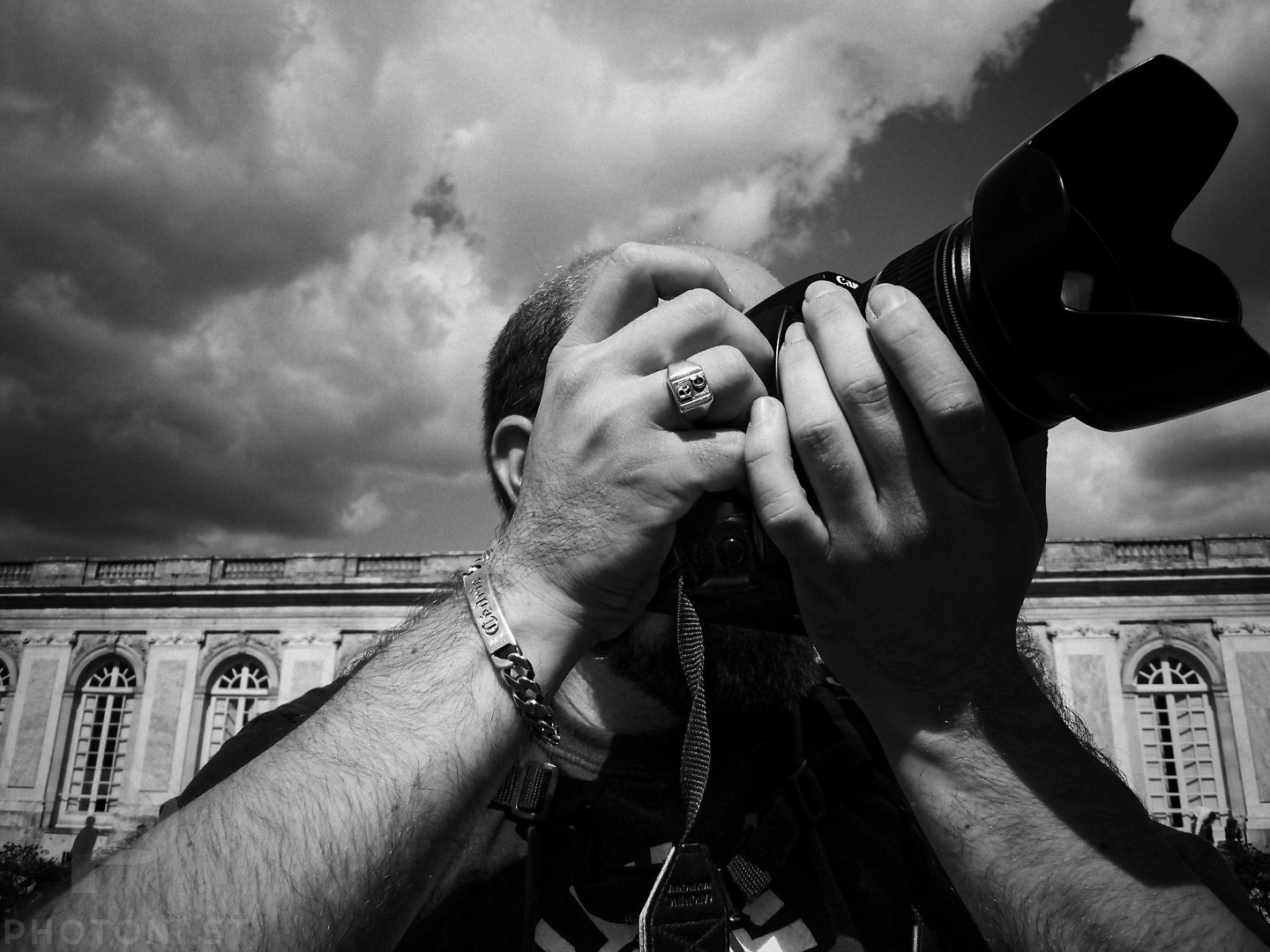
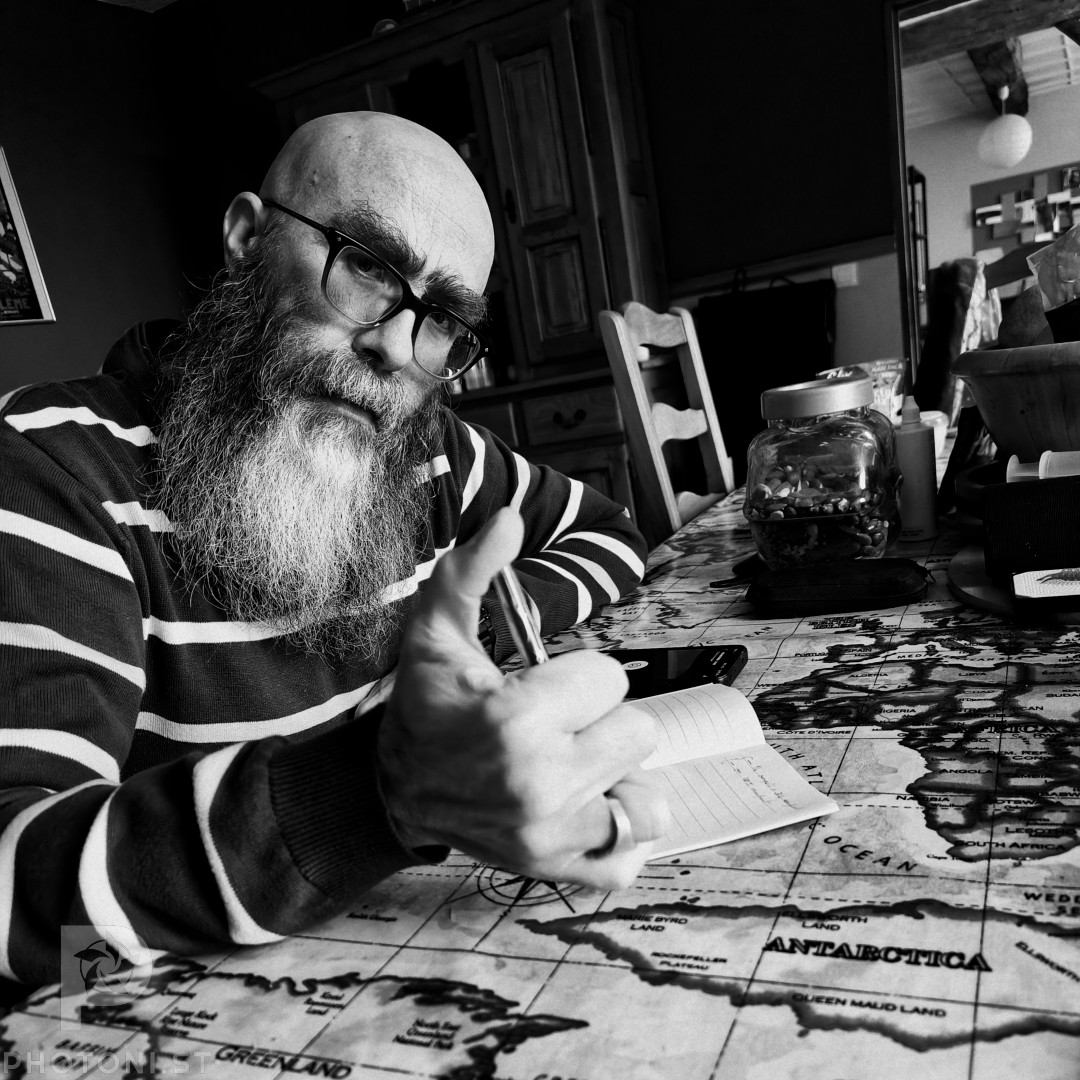
My mother sometimes jokes that she raised a ghost, because there are barely any photographs of me as a child or teenager. I just hated having my photo taken and I’d find ways to hide to avoid it. When I started photography ca. 2002, I started taking photos of people around me. But I continued to hide from them when they wanted to take photos of me. My relationship with them was imbalanced.
It took me another 15 years to realise I was being stupid.
Photography instruction assumes cognitive uniformity. Teachers describe their own process and expect students to replicate it. “Learn to see the light.” “Pre-visualise the image.” “Feel the moment.” These instructions make perfect sense if your brain works like the teacher’s brain, but they become incomprehensible if it doesn’t.
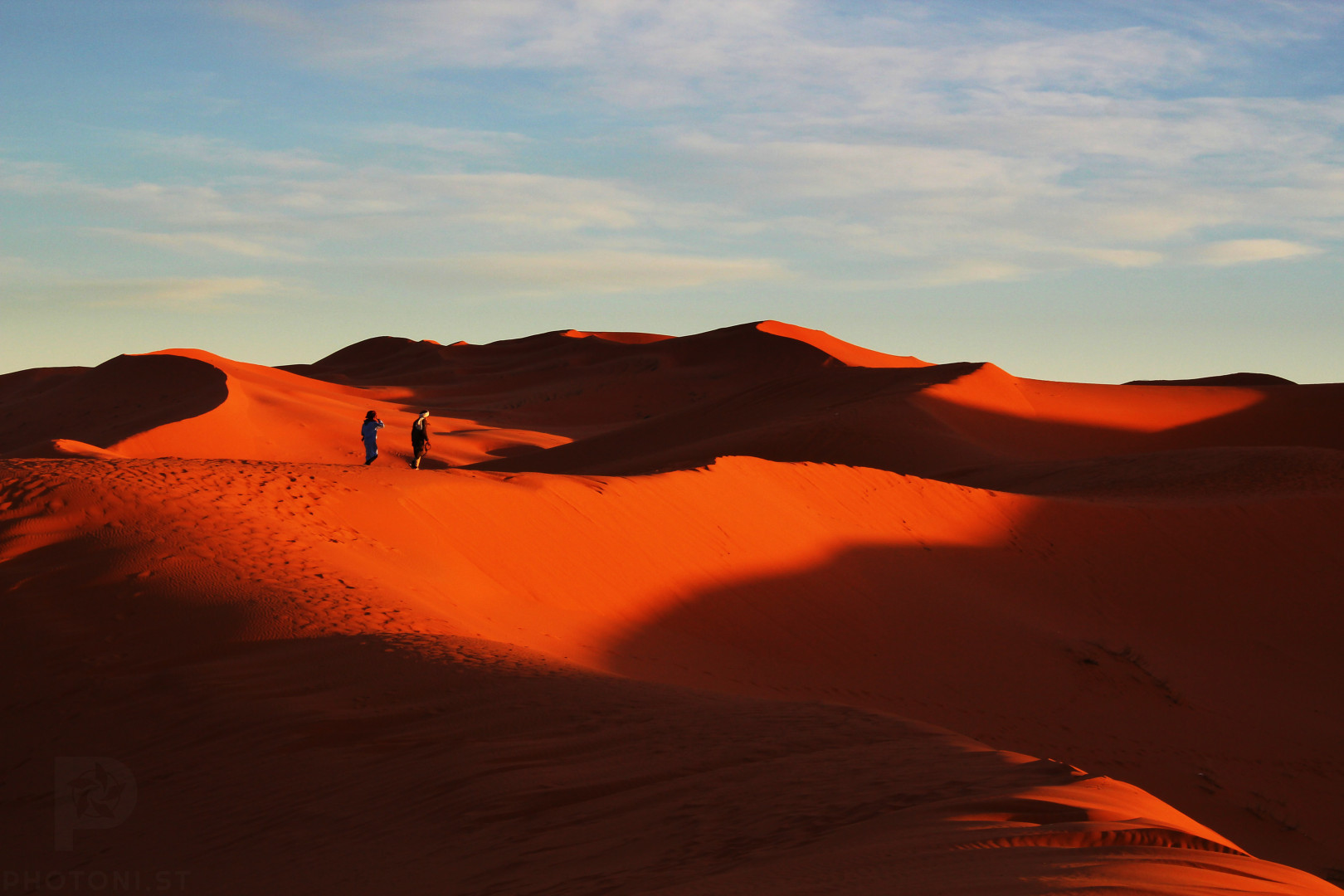
I can tell you exactly how I felt standing on a sand dune in Morocco many years ago, watching my wife photograph a sand dune through evening light. I remember the temperature, the angle of the sun, the smell of dust. I remember the specific quality of happiness that comes from being exactly where you want to be with exactly who you want to be there with. That moment is still accessible to me. I was there. It happened. The photos prove it.
Photography education and criticism privilege verbal articulation. You’re expected to be able to explain your work, discuss your influences, articulate your intentions, write artist statements. Grants and residencies require written proposals. Publications want accompanying text. Teaching positions demand that you can explain your process clearly.
But many talented photographers can’t write coherently about their work, and it’s not because they haven’t thought deeply about it or because they’re inarticulate generally. It’s because the work happens in a non-verbal mode and translating it into words requires cognitive machinery they don’t have or have configured differently.