
My view of Japan is cartoonish. It’s built almost entirely from exports and a European vantage point. When I watch how other countries portray France through their own exports, the caricature is cringeworthy, so it stands to reason mine works the same way in reverse.
I’ve never had a Japanese friend. Growing up in the 13th arrondissement of Paris, most of my childhood friends were North African, Caribbean, Vietnamese or Cambodian, and rarely Laotian. Later, through work, I met and collaborated with people from several regions of China. Asian cultures have shaped a fair part of my life, just never the Japanese one specifically, and that lack is probably why the caricature exists in my perception.
Despite that, one trait from my cartoon version of Japan has always pulled me in: an obsession with detail.
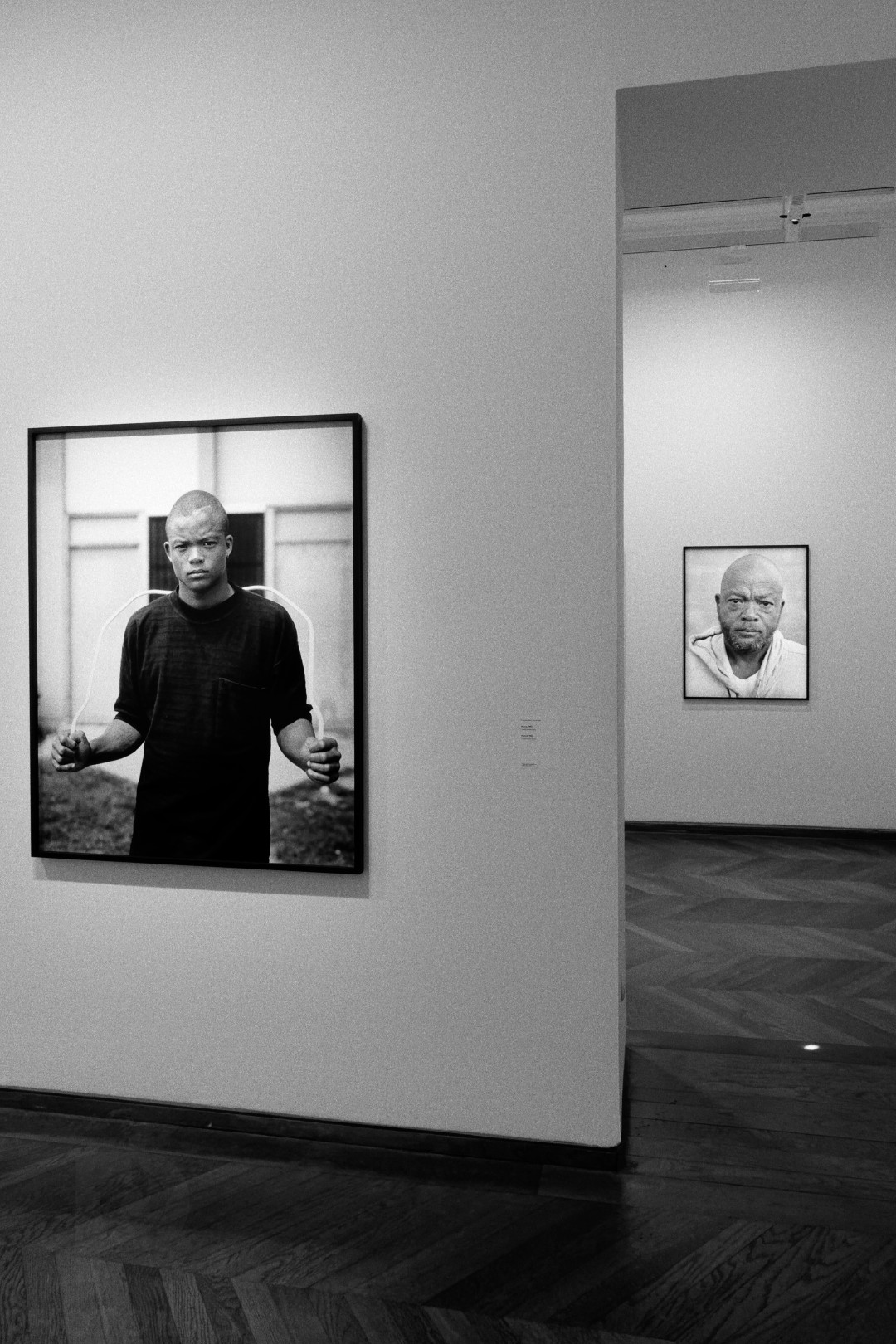
I don’t mean attention to detail as in double-checking that everything is correct or polished like you would if you delivered a product to a customer. What attracts me is closer to a mindset: the idea that even the smallest task deserves complete presence for as long as it takes. It’s the overlap between attention and presence. The tea ceremony captures it well: each gesture matters in itself, not as a means of getting to the next one, and rushing any part of it would defeat the whole point.
When I imagine how I perform that ceremony myself if I knew enough about it, I have flashbacks to katas I had to learn when I was kid doing judo and aikido. I remember trying to give it my full attention, and if at any point I realised my attention had drifted away from what I was doing, I would start over until I’m satisfied I went through the whole thing without thinking about anything else. Controlling my thoughts to make sure I was present every millisecond of the activity was the point. In a way, it required me to split myself into the performer and the observer.
Giving something your full attention through every step, without letting the outside world pull you away until it’s finished, fascinates me. The forced attention and the uninterrupted presence have something alien to an Western culture more based on efficiency and speed.
In some ways, that’s been the core of my working life. As a software engineer, I’ve built systems that simply fail if a single part is done sloppily. One careless line can bring down everything built on top of it, so there’s no room for approximation; either every piece holds, or the structure breaks. And for that you have to give it your full attention. I sometimes tell the kids that work for me that when I worked on my master many, many years ago, my computer was so slow it took about four hours to compile my project. To avoid wasting days, I learned to run the code in my head line by line. I’d have to concentrate and pay very close attention to everything I was running, all possible side effects, all actions happening in the background so that I’d be sure before I typed “compile” that it would work.
Serious photography requires the same of me. I start with a vision, a feeling, sometimes just an idea or an abstract goal, and then chase it until the image matches what I had in mind. Settling for whatever the scene offers instead isn’t an option.
The Oslo street photograph from a previous post (I’m writing this post just at the time that previous post was published), for example, came together this way. The triangular building needed to anchor the frame, with its reflection caught in the wet pavement beneath it. Yet I didn’t want a flat, symmetrical shot, especially in a square frame, so the angled street and the off-centre streetlights gave it some tension, provided they stayed clear of the building itself. A human presence felt necessary too, so I waited at the corner for a long while until someone crossed exactly where I needed them. Oslo’s streets are empty, late on a rainy night, which made the wait a long one. Just me, the rain, and the glow of the streetlights on the road. Eventually the image assembled itself the way I’d pictured it: foreground, middle ground, background, a figure, the weather, the mood, all falling into place at once.
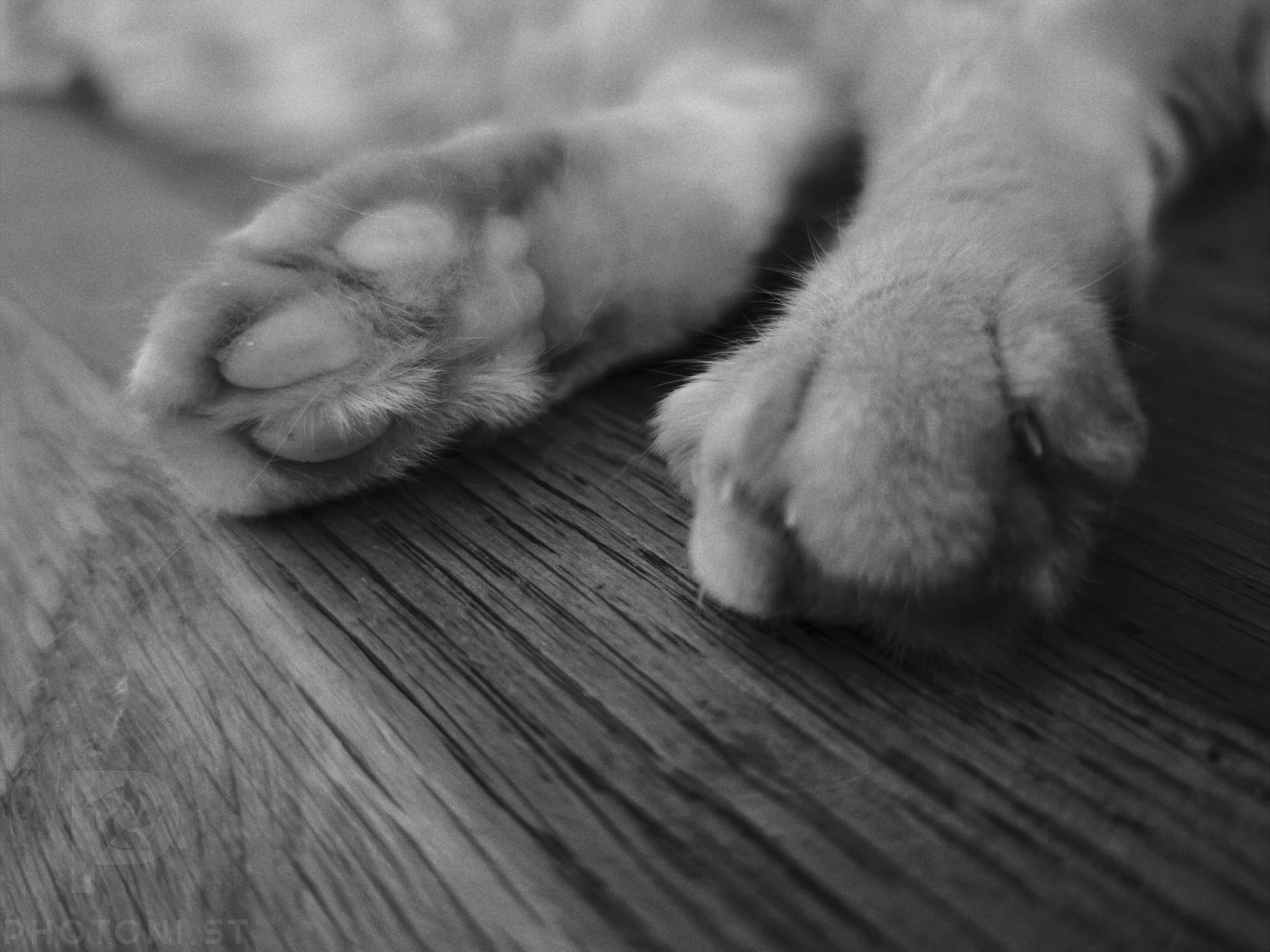
Obviously, not all photographs require that degree of attention and if that was the only way to perform the craft, it would be untenable and most people would quit the first week. Sometimes, you just want nice, or just record a fact or event without thinking. I take photos of my cats a lot. Theese don’t require my attention. But everyday life photos are important too. The cat photos matter because they document a life being lived. The Oslo photograph matters because making it required me to disappear into it completely. These are different kinds of value, not a hierarchy.
Mostly likely, I’ll never go to Japan. I’d love to, but it’s very far and finding the time before I’m too old to travel that far is very difficult. But my cartoonish view of it points at something important: being in the moment, being fully aware of what you’re doing, is a state of mind that has been part of my life for as long as I remember. I just never paid attention to it (ironically).
#Photography #Opinion #IMayBeWring #Japan #Attention #Flow #PhotographyAdjacent