
You already know the photograph. Nick Ut took it in 1972 on a road in Vietnam: a girl running, napalm smoke behind her. It may have shortened a war. Not because it was beautifully composed or appeared in the right publication, but because it was real. The girl existed. The road existed. Light bounced off a child in actual pain and entered a camera, and that causal chain is what gave the picture its weight.
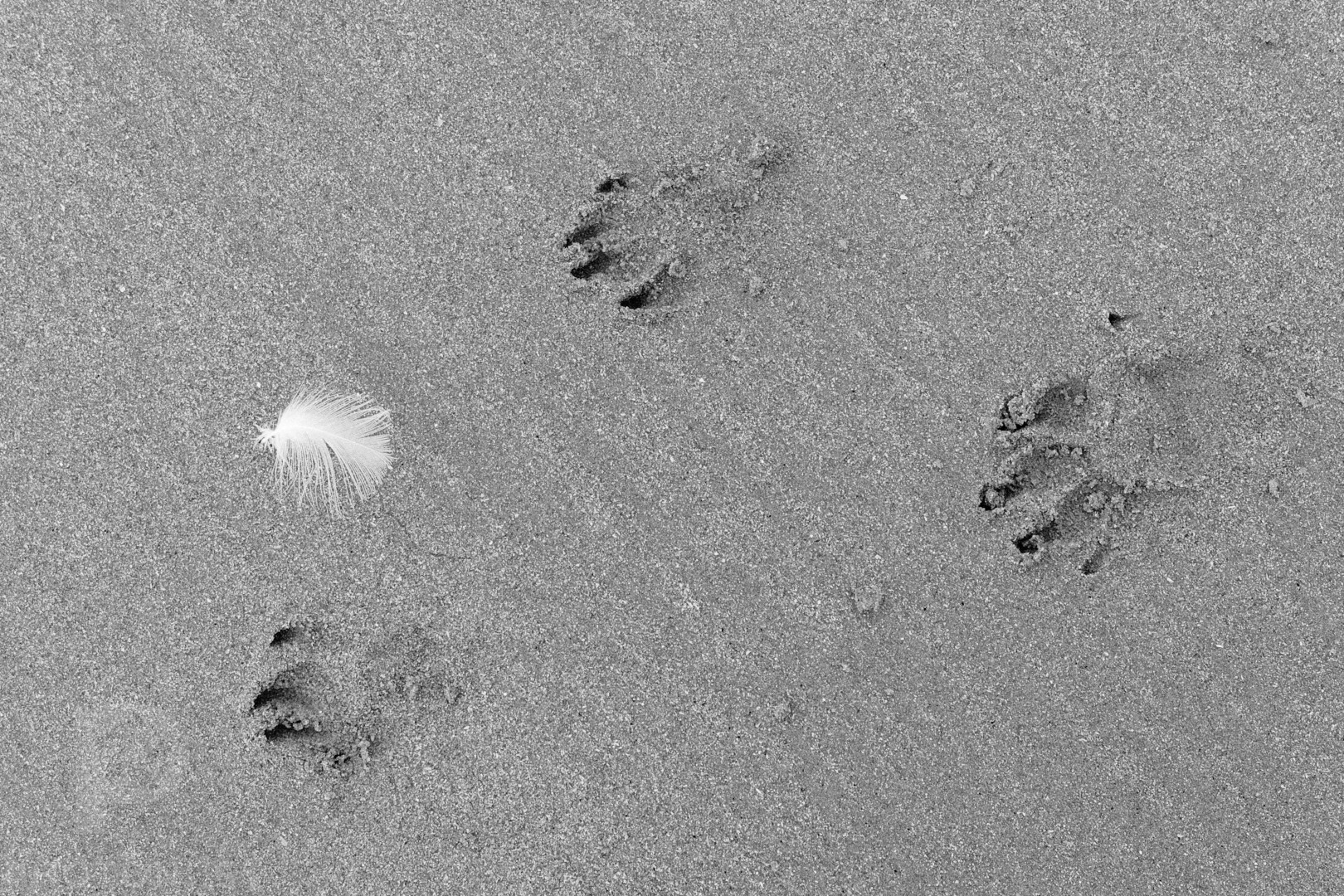
Photography has always worked this way. The image is indexed to reality, meaning it cannot exist without the thing it depicts. A painting of a burning village is interpretation; a photograph of one is evidence. This follows not from quality or intent but from physics. Light enters. The world leaves a trace.
We produce around four trillion images a year now. The number is almost impossible to hold in the mind, which is precisely the point. Photographs no longer arrive as events. They arrive as weather, as the ambient texture of being alive in the early twenty-first century. Inside that volume, the act of looking has changed. Not because people have grown careless, but because sustained attention to any single image requires a kind of presence that the infinite scroll was specifically engineered to defeat.
Presence was always the photographer’s requirement. You had to be there; the physics demanded it. Presence is equally required at the other end of the exchange, and that half has quietly collapsed. Looking at a photograph properly means allowing the reality it indexes to land, to make a claim on you. That is slow work, and it runs directly against the logic of a feed designed to ensure you never quite finish processing anything before the next thing arrives.
The concern most people reach for at this point is misinformation: deepfakes, fabricated atrocities, AI-generated suffering passed off as real. I think this locates the damage in the wrong place. The problem is not primarily that people believe false things. It’s that the question of whether something is real no longer quite arises. A synthetic image and a genuine photograph pass through the same interface at the same speed, receive the same fraction of a second of attention, and produce the same emotional residue, which is to say almost none. The capacity to be arrested by an image has atrophied.
I notice this in myself. That’s what makes it worth writing about rather than just lamenting. I am a photographer. I have spent a significant portion of my adult life thinking about what photographs are and what they do, and I still catch myself scrolling past images that, in any other context, would have stopped me. Images that deserve more than diluted attention, and don’t get it. The volume doesn’t only numb the distracted. It reaches people who are supposed to know better.
What’s been lost is not the photograph. The indexed image, the trace of light from a real event, still carries its weight regardless of whether anyone is paying attention. What’s been lost is the cultural practice of receiving it. For roughly a century and a half, there was a shared, if largely unspoken, understanding that photographs made a particular kind of claim: that they were different from illustrations or descriptions because the world caused them rather than a mind imagining them. That understanding has not been argued away. It has been made irrelevant by abundance, which is a quieter and more thorough kind of erasure.
The girl on the road in 1972 is still running.
#Photography #Opinion #IMayBeWrong #PhotographyTheory #AI