
The first session with my niece will establish what photography is actually for, but not through abstract discussion. She’ll have her camera in hand from the first minute, set to full automatic, and we’ll be taking photographs while talking about why we’re taking them.
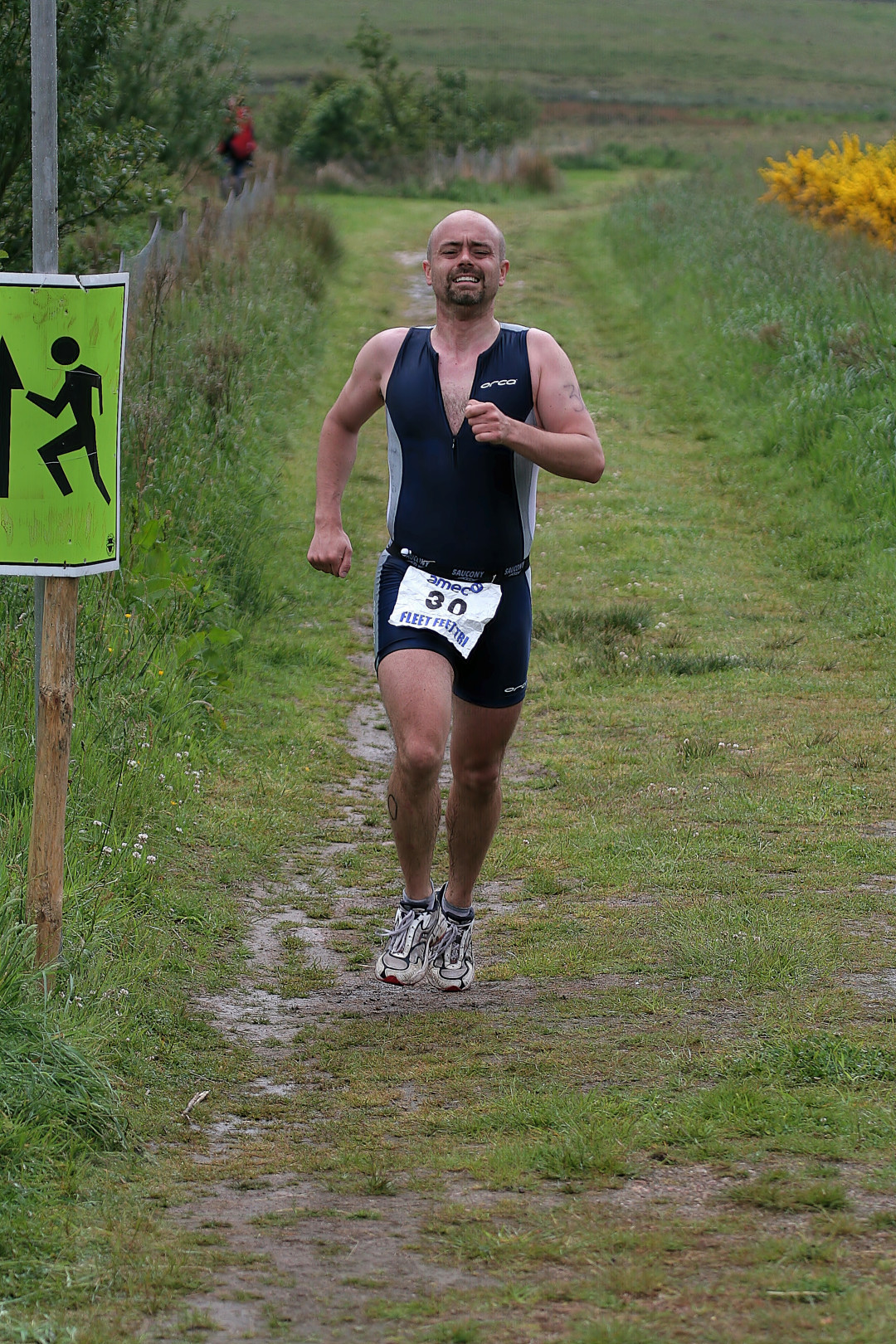
The easy answer, the one she probably expects, is that photography documents things. It records what happened, what something looked like, who was there. True and important, but incomplete. If documentation were the whole point, we’d just need one competent photograph of anything and we’d be done. People make millions of photographs of sunsets and streets and faces because they’re trying to do something beyond just recording that those things exist.
What they’re trying to do is communicate something. Make the viewer see or feel or understand something they wouldn’t otherwise. That’s what separates photography from pure documentation. Showing what was there is only the start; what it meant, how it felt, why it mattered; that’s the actual work.
We’ll start by looking at photographs together. Not famous art photographs necessarily, just images that do something beyond document. A portrait that makes you feel the person’s exhaustion. A street scene that conveys chaos or loneliness. A landscape that creates a mood beyond just showing scenery. For each one I’ll ask: what does this make you feel? What is it trying to tell you?
Then immediately we’ll try making photographs with similar purposes. Her first assignment: go photograph three things that make you feel something. Not things that are obviously emotional, just things that create a feeling in you. A corner of your room that feels peaceful. A street that feels busy or lonely. Light coming through a window that feels warm or cold.
She won’t know how to control anything technically yet, and that’s fine. The camera is on automatic. Just point and shoot. The goal isn’t technical competence; it’s recognising that you can photograph with purpose, that you’re trying to make someone else feel what you felt.
When she comes back with those three images, we’ll look at them together. Did they work? Do I feel what she was trying to communicate? Usually the first attempts are partial successes. The feeling is there but faint, or the image includes distractions that undermine it, or the moment wasn’t quite right.
We’ll talk through what could be different. Not technical changes yet, just observational ones. What if you’d moved closer or farther? What if you’d waited for different light? What if you’d eliminated that distracting element by changing position? These aren’t technical questions. They’re questions about seeing and choosing.
This establishes the pattern for everything that follows: every assignment has a communicative purpose. Success means you made someone feel or see or understand what you intended. Technical perfection is irrelevant if the communication fails, and technical roughness is forgivable if the communication succeeds.
The second part of the first week introduces emotion as subject matter. I’ll give her an assignment: pick three emotions from a list: happiness, loneliness, peace, tension, confusion, joy. Don’t photograph people showing those emotions obviously. Photograph things, places, situations that make you feel those emotions, and try to make me feel them too without explaining.
Harder than it sounds. It requires thinking about what creates emotional response visually. Happiness might be bright light, open space, warm colours. Loneliness might be a single object in empty space, or harsh shadows, or something isolated. She has to figure this out partly through experimentation.
We’ll review these together at the end of the week. Most won’t fully work, and that’s expected. But they’ll reveal what she’s drawn to, how she thinks about visual communication, what comes naturally and what she needs help developing.
Throughout the week we’ll also have ongoing conversations about photographs we encounter. I’ll send her images with simple questions: what is this trying to communicate? How is it doing that? She’ll send me images she likes with her own analysis. This builds visual literacy alongside practice.
By the end of week one, she’ll understand that photography is mostly communication rather than raw documentation. She’ll have experience trying to make images with specific purposes. She’ll have started developing her eye through doing rather than through passive observation. And she’ll be getting frustrated with limitations she’s encountering, which is perfect. That frustration creates readiness for technical learning, but only after purpose is established.
#Photography #IMayBeWrong #Opinion #Teaching #TeachingPhotography