
The argument for better gear is seductive because simple: get more sensitive sensors, better autofocus, faster lenses and motors, and you’ll produce better photographs.
The problem is that “better” assumes the goal is optical accuracy. Accuracy, in fact, is exactly wrong.
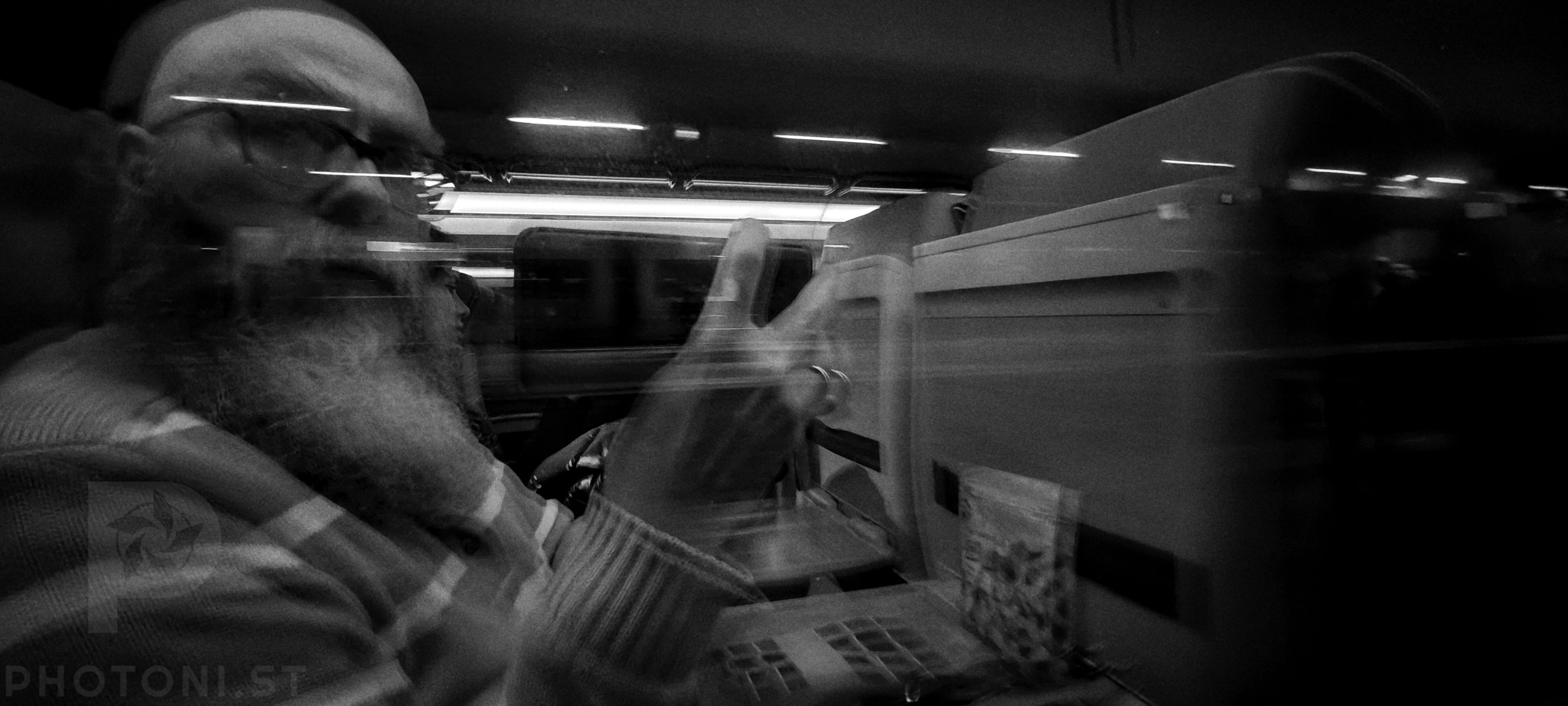
Memory research, starting with Bartleson’s 1960 study on memory colours of familiar objects and extended since to shapes, scenes, and spatial boundaries, establishes something inconvenient for anyone invested in high-fidelity photography: we don’t remember what we saw. When you remember something, your brain gives you an improved version. Colours drift toward more saturated. Grass is remembered as more green, not just light green. Scenes are remembered as more complete and meaningful than they actually were. Shapes become cleaner, sharper, and more archetypal than they really were. Brewer and Treyens showed in 1981 that we even remember objects that were never present, as long as they fit our narrative of what should have been there.
The implication for photography is important and I’ve never seen it discussed. When you review photos you took ten years ago, you compare it, conscioiusly or not, to a reconstructed, unfaithful version of reality your brain serves you. You compare that photo against an archetypal version of reality. As a result, a very accurate photo will look wrong. Something won’t be right in the colours (not vibrant enough) or the objects present int he scene (was that thing really there?).
It obviously affects you more if you were present at the time the photo was taken. And that’s why old photos tend to be disappointing.
Better gear makes it worse. If your tool is more faitful to the reality of the moment, it will produce images that are more disconnected from your memory of it. They won’t carry the same feelings and won’t match the details you remember. No amount of fancy gear can do anything about it.
Which brings me to “good enough”. Good enough doesn’t mean that any camera will do. It means that you need gear you understand well and you don’t need to fight to achieve the results you want and it doesn’t make you miss the important moments. It doesn’t have to be the best (you’re not the best either). Once you reach that threshold, any further investment is pointless and it won’t make you produce any better photos.
What can help instead is post-processing. It’s there so that you can move your photo closer to your vision or your memory. For example, you can saturate colours more. You can denoise. You can choose monochrome to exlude colours completely. It allows you to interpret the image and bring it closer to what your memory is or will be. And it does make sense to re-interpret images over time.
The camera records. Everything else is yours.
#Photography #Opinion #IMayBeWrong #Memory #Gear